
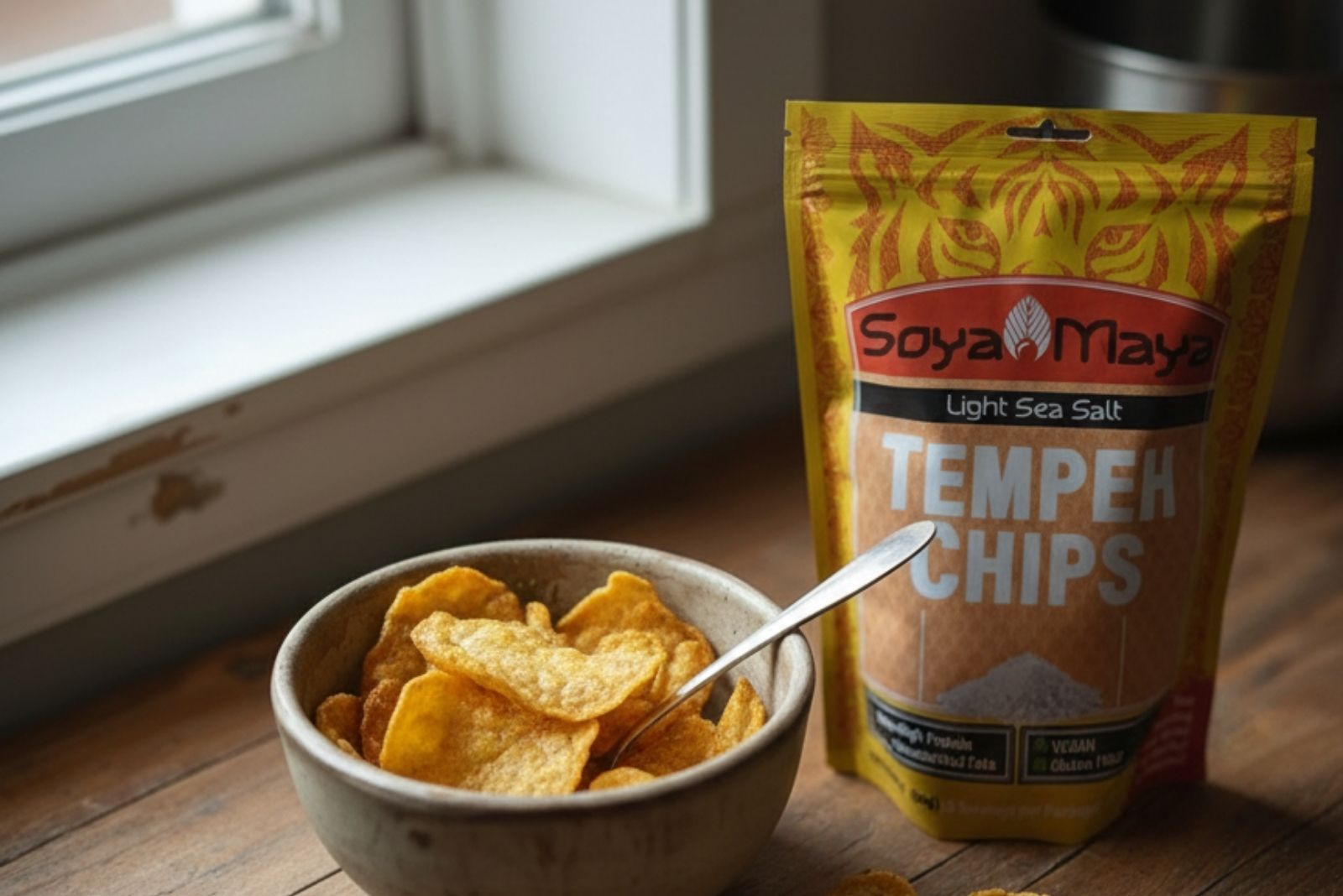
A good spicy mustard flavor comes from controlling mustard seed heat while balancing tang, depth, and aroma so the burn feels clean, not harsh. In our experience working with fermented foods and spice forward recipes, mustard behaves more like chemistry than seasoning.
One small change in liquid, temperature, or timing can shift the entire flavor. We have tested this hands on, batch after batch, learning where heat peaks and where it fades. If you cook, ferment, or simply love bold condiments, this breakdown helps you understand why some mustards sing while others fall flat.
Key Takeaways
- Spicy mustard heat is nasal and volatile, not tongue burning, and depends on how mustard seeds are crushed and hydrated
- Balance comes from acid timing, salt, spice layering, and controlled sweetness rather than dialing heat down
- Freshness and ingredient quality matter as much as technique, especially for preservative free mustard
What Creates The Core Heat in Spicy Mustard?
The sharp, sinus-clearing heat in mustard is a chemical reaction. It comes from allyl isothiocyanate, a compound released when mustard seeds are crushed and mixed with liquid. As noted :
Soya Maya Tempeh Protein Chips — 100% plant-based, high protein, no artificial additives. Ships to your door.
Get Your Chips →“The characteristic sharp, stinging flavor of the mustard comes from a chemical reaction resulting from putting the seed with cold water… it is the production of allyl isothiocyanate from the reaction of myrosinase and sinigrin during soaking that causes gustatory heat to emerge. One of the factors that determines the strength of a prepared mustard is the temperature of the water, vinegar, or other liquid mixed with the ground seeds: hotter liquids are more hostile to the strength-producing compounds.” – Wikibooks [1]
Three main factors control how strong it gets:
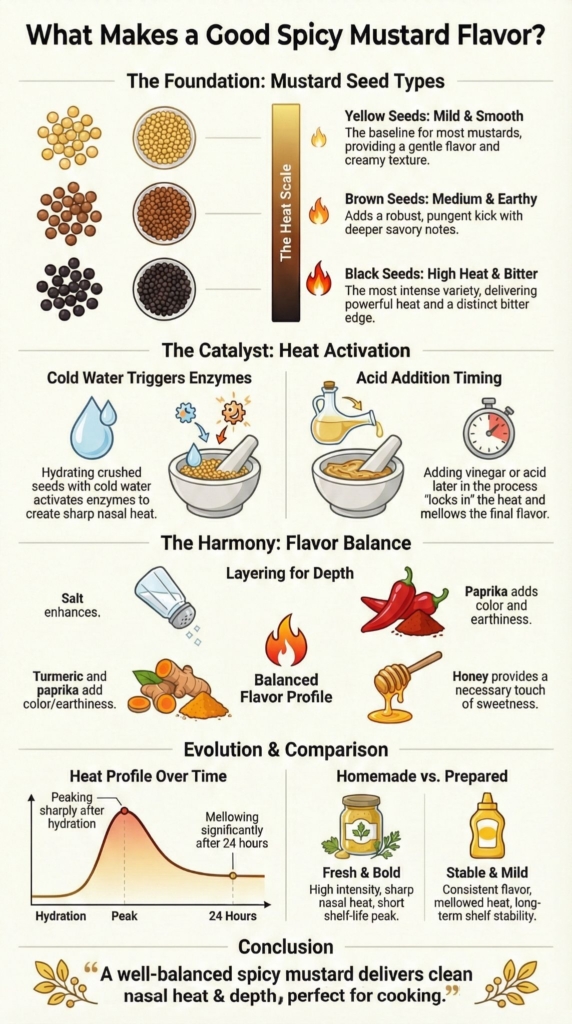
- Seed choice: Brown or black mustard seeds are much hotter than mild yellow seeds.
- The starter liquid: Cold water is key. It activates the enzymes without killing them.
- Crucial timing: For maximum heat, let the crushed seeds soak in water alone for 10 to 15 minutes. This lets the heat-producing reaction peak.
Three main factors control how strong it gets: seed choice, the use of cold starter liquids, and precise timing.
How Do Mustard Seed Types Affect Flavor and Intensity?
While yellow seeds provide a mild base, the “depth” found in premium spicy mustards comes from specific compounds in darker seeds. According to :
“Spicy mustards derive their heat from sinigrin,a compound in brown (Brassica juncea) and black (Brassica nigra) mustard seeds… Brown and black seeds contain higher sinigrin levels than yellow seeds, directly impacting heat intensity. Spicy brown mustard also leaves the bran on the seeds, which don’t fully break down when processed, giving the final sauce a coarser texture… It can be mixed with spices like cinnamon, ginger, and nutmeg to give the mustard a slight earthy undertone.” – Spices Alibaba [2]
Here’s how they break down:
- Yellow Mustard Seeds: They give a clean, soft, and slightly sweet flavor, perfect for a smooth base.
- Brown Mustard Seeds: They bring a medium to high, earthy sharpness that hits your nose right away.
- Black Mustard Seeds: These are the most intense, with high heat and a bitter, aggressive edge.
You might use yellow seeds for a smooth foundation, brown seeds for the primary kick, and just a pinch of black seeds for an aromatic edge.
How Do Liquids and Acids Control Mustard Sharpness?
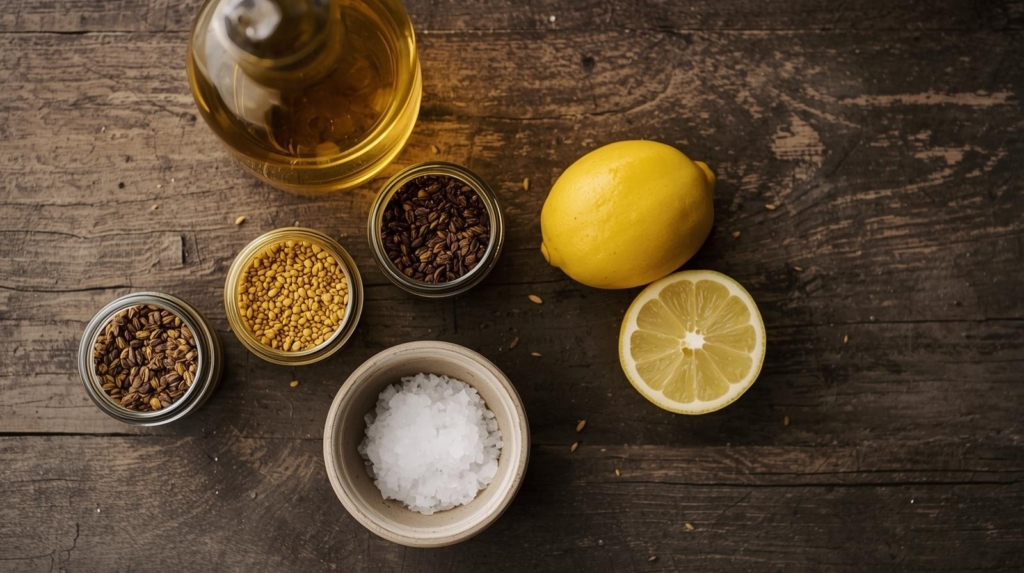
The sharpness of your mustard is controlled by what liquid you use and when you add it. This is where a lot of home recipes fail. Water creates the heat, while acids like vinegar stop it.
The process is all about timing. Crushing mustard seeds and adding water starts a chemical reaction. This reaction builds the spicy, sinus-clearing punch, and it peaks quickly,usually in just 10 to 15 minutes.
- For maximum heat: Use cold water and let the ground seeds soak in it alone. Cold water keeps the enzymes active. Adding your acid (vinegar, wine, lemon juice) at this point would stop the reaction early, resulting in a much milder mustard.
- To set and mellow the flavor: Add your acid after the water has had time to work. This stabilizes the flavor and adds complexity. White wine vinegar gives a clean tang, beer adds malty depth, and wine brings a fruity note.
So the rule is sequence, not just choice. Start with cold water to build heat, wait a bit, then add your acid to lock in the desired sharpness,this timing is what defines a clean, balanced spicy mustard flavor rather than a harsh burn.
What Balances Heat with Tang, Depth, or Sweetness?
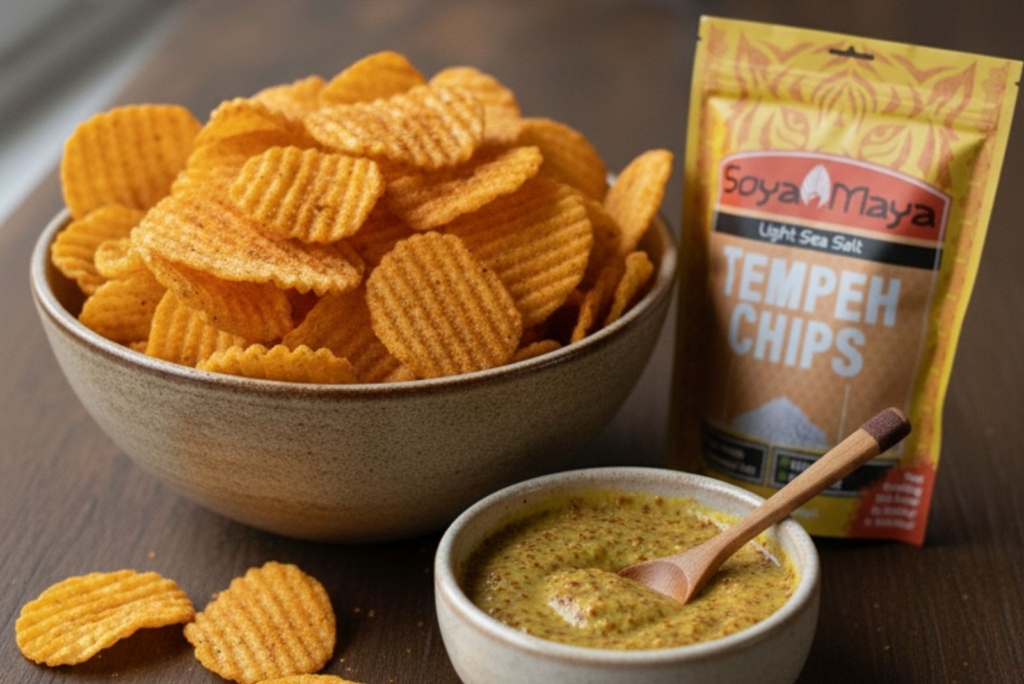
Balance comes from layering salt, spices, and restrained sweetness to prevent bitterness and nasal overload. Pure mustard heat without balance feels harsh. We learned this the hard way. The most enjoyable spicy mustards always have grounding elements that round out the burn.
Salt is not optional. It sharpens flavor perception while reducing bitterness. Turmeric adds earthiness and warmth, while paprika contributes color and subtle depth without increasing heat.
Sweetness is optional, but powerful. Even a small amount of honey or natural sugar can tame aggressive mustard pungency. More than that and the mustard loses its edge. Spice additions should support, not compete. Garlic brings savory depth. Onion adds sweetness. Smoked spices introduce complexity without touching heat levels.
In our kitchen, balance usually comes from:
- Salt added early for structure
- Turmeric for body and color
- Paprika for depth
- A touch of honey to soften the finish
When these elements work together, mustard heat feels intentional instead of chaotic. That balance becomes even more important when pairing bold mustard notes with fermented foods, like in spicy mustard tempeh chips, where heat, acidity, and umami need to land together.
How Do Homemade and Prepared Spicy Mustards Differ?
We make mustard at home for peak freshness and total control. The stuff you buy is made to be consistent and to last a long time on the shelf.
Both have their place. A homemade batch is alive. The heat fades, flavors develop, and it might separate in the fridge after a couple weeks. That’s interesting if you expect it, but annoying if you wanted it to stay the same.
Store-bought mustard is reliable. You trade some of that initial kick and bright taste for something you can count on every time.
| Aspect | Homemade | Prepared |
| Heat control | High | Moderate |
| Consistency | Variable | Stable |
| Shelf life | Short | Long |
We see this all the time in our own work. Fermented foods, much like mustard, are living projects. They get better with attention and good ingredients, but they don’t always behave the same way twice.
That initial freshness is the real difference. Here’s what it comes down to in practice:
- Fresh-ground seeds simply have more bite.
- Recipes without preservatives taste cleaner, more direct.
- You have to use it at the right time, store it properly, and balance the flavors before they mellow out.
Why Ingredient Quality Matters More Than Heat Level
We’ve learned that a mustard’s quality depends more on its ingredients than its heat. We’ve tasted hot mustards that were unpleasant because the flavor was bitter or muddy.
Good ingredients prevent those problems. Fresh seeds have more active enzymes for a sharper taste. Old seeds taste dull. Clean water keeps flavors pure. Balanced acid keeps the heat from fading too fast.
Storage also plays a big role. Mustard’s heat fades as compounds break down. Refrigeration slows this, but doesn’t stop it. We think mustard is best when fresh, not months later.
Here’s what we focus on in our own process:
- Sourcing the freshest seeds we can find.
- Using clean, filtered water in our recipes.
- Balancing acidity to preserve the sharp character.
- Encouraging people to enjoy it while it’s fresh.
This philosophy guides everything we make at SoyaMaya, including how we approach seasoning and fermentation for our tempeh protein chips. Starting with quality ingredients and handling them carefully creates a better flavor, without any need for extreme heat.
How Spicy Mustard Flavor Fits Into Everyday Cooking
Credits: Chili Pepper Madness
A well-balanced spicy mustard should make food better, not just hotter. We use it for a lot more than just sandwiches. In our kitchen, it’s a base for marinades, a component in glazes, and the backbone of a quick dipping sauce. When the heat is balanced with tang and depth, it becomes incredibly versatile.
Here are a few ways we use it regularly:
- Stirring a spoonful into vinaigrettes for a bright kick.
- Mixing it into sauces for roasted vegetables.
- Brushing it onto grilled proteins or our tempeh.
- Folding it into creamy dressings for grain bowls.
Mustard’s heat is nasal and fleeting, it wakes up a dish without leaving a lingering burn. We find this especially useful in plant-based cooking, where you rely on acidity and aroma to carry a lot of flavor. It’s a simple way to add complexity without overpowering everything else.
FAQ
How does mustard seed heat shape a bold spicy mustard flavor?
Mustard seed heat forms the core of a hot mustard flavor. When fresh ground seeds are crushed and mixed with liquid, they release allyl isothiocyanate. This compound creates a sharp sinus clearing kick and strong nasal heat profile. The balance between black mustard seeds, brown mustard spice, and the mustard liquid ratio determines whether the heat feels sharp, steady, or overwhelming.
Why does spicy mustard sometimes cause a sinus burning mustard sensation?
A sinus burning mustard sensation happens when mustard pungency reaches the nasal passages quickly. Cold water activation increases volatility and intensifies the burn, while vinegar soaked seeds sharpen the effect. Using warm vinegar can mellow the reaction. Proper mustard acid ratio and mustard salt balance reduce harshness while preserving a clean, strong nasal burn.
What role does seed grind texture play in spicy mustard intensity?
Seed grind texture directly controls heat release and mouthfeel. Coarse ground mustard and whole grain mustard release spice gradually, creating a longer mustard heat peak. Finely crushed seeds release heat quickly but fade faster. Choosing the right mustard seed crush improves mustard flavor depth while maintaining bold mustard zest without excessive bitterness.
How do liquids like vinegar, beer, or wine change mustard flavor?
The mustard liquid ratio strongly influences flavor and heat. Vinegar creates sharpness, beer mustard soak adds malty depth, and a wine mustard base provides smoother acidity. Cold liquids preserve mustard spice intensity, while warm liquids mellow it. These choices affect mustard flavor balance, fading mustard heat, and overall tangy mustard robustness.
How can you fix over-spicy mustard without losing flavor?
An over-spicy mustard fix requires controlled adjustments rather than dilution. Adding a small mustard sweetener addition helps calm heat while preserving flavor. Extra liquid or extended mustard maturation period allows sharpness to soften naturally. Improving mustard emulsion technique and adjusting storage effects help harsh heat settle into smoother mustard aromatic notes.
What makes a good spicy mustard flavor work for you and for us
A good spicy mustard works for us when it has a clean, sharp kick, balanced tang, and real depth. It should make food more interesting, not just hot. That balance is our goal in everything we make at SoyaMaya, from condiments to our core products: honest ingredients and a thoughtful process.
If you value that kind of care in your food, you can find our Fresh Frozen Tempeh and Tempeh Protein Chips here: Shop SoyaMaya
References
- https://en.wikibooks.org/wiki/Cookbook:Mustard
- https://spice.alibaba.com/spice-basics/types-of-spicy-mustard
Related Articles
- https://mayasaritempeh.com/tempeh-protein-chips/
- https://mayasaritempeh.com/upcoming-spicy-mustard-flavor/
- https://mayasaritempeh.com/what-will-spicy-mustard-tempeh-chips-taste-like/
Soya Maya Tempeh Protein Chips
High-protein, plant-based, made from real tempeh. No artificial flavors. Crunchy and satisfying every time.
