

Live culture tempeh is a fermented soybean food that delivers probiotics, complete protein, and improved nutrient absorption through active fermentation driven by Rhizopus oligosporus.
We have worked with tempeh for years, and the difference between live culture and standard grocery versions is noticeable from the first bite. The texture feels more alive, the aroma carries a mild mushroom-like note, and digestion feels lighter afterward.
In our kitchen, especially through SoyaMaya, we have seen how small-batch fermentation changes both flavor and function. This guide breaks down what makes live culture tempeh worth your attention and how it supports everyday health. Keep reading to see how it fits into your meals.
SoyaMaya Fresh Tempeh is made the traditional way — no preservatives, no shortcuts. Delivered to your door.
Order Fresh Tempeh →Quick Hits, Live Culture Tempeh Benefits
- Enhanced Nutrition & Gut Health: Boosts digestive wellness and immune function through a unique fermentation process that preserves live cultures.
- Superior Protein Absorption: Provides 19g of plant-based protein per 100g and improves amino acid availability for better nutrient uptake.
- Heart Wellness: Supports cardiovascular health by naturally helping to lower LDL cholesterol levels.
What Makes Live Culture Tempeh Different from Regular Tempeh?
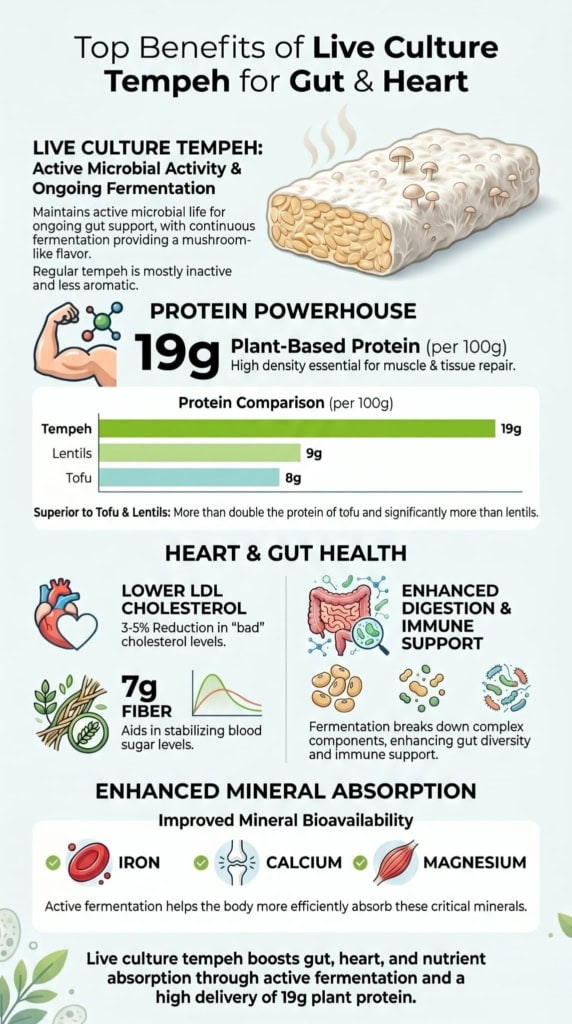
Live culture tempeh contains active fermentation from Rhizopus oligosporus, while most commercial tempeh is pasteurized, reducing microbial activity and functional benefits. We have handled both versions side by side, and the contrast shows quickly. For a deeper dive into these differences, you can explore the nuances of fresh vs. pasteurized tempeh to see how they affect both nutrition and culinary use.
Fresh live tempeh has visible white mycelium and a firm structure. Pasteurized versions feel denser and less aromatic. From a microbiological perspective, active tempeh still contains Lactic acid bacteria and fermentation metabolites.
Research methods like Propidium Monoazide-Quantitative Polymerase Chain Reaction and real-time PCR are used to confirm viable microbial activity in fermented foods. According to fermentation studies referenced by the European Food Safety Authority, active cultures influence nutrient bioavailability and digestion outcomes.
Specifically, recent research published in Frontiers in Nutrition highlights that microbial biofortification via fermentation can enhance levels of vitamins such as B12, folate, and riboflavin, effectively transforming common plant-based ingredients into nutrient-dense functional foods.
| Feature | Live Culture Tempeh | Regular Tempeh |
| Microbial Activity | Active | Mostly Inactive |
| Shelf Life | Shorter | Longer |
| Gut Support | Higher | Reduced |
| Fermentation Status | Ongoing | Stopped |
| Flavor | Mushroom-like, Mild | Less Aromatic |
Key differences we notice in daily cooking:
- More pronounced mushroom-like flavor
- Better texture when pan-fried
- Easier digestion after meals
This distinction shapes nearly every health benefit that follows.
How Live Culture Tempeh Supports Gut Health
Live culture tempeh supports gut health by introducing beneficial compounds and microbial activity that improve digestion and microbiome balance. We noticed early on that meals with live tempeh feel lighter. That aligns with findings from the Cleveland Clinic, which reports that fermented foods improve gut diversity and can strengthen the immune system.
The fermentation process breaks down complex soybeans into simpler compounds. This reduces bloating often linked to unfermented soy-based foods. Active fermentation produces short-chain fatty acids (SCFAs), which support intestinal lining health. According to research published in Cell, these compounds also influence immune health and reduce systemic inflammation.
Here’s what we consistently observe in our meals:
- Reduced digestive discomfort
- Better regularity
- Improved tolerance for plant-based foods
Unlike pasteurized tempeh, which loses many of its microbial benefits during processing, live culture tempeh helps maintain a healthier gut by preserving active fermentation that supports overall digestive function.
Beyond live bacteria like Lactobacillus reuteri, fermentation also creates bioactive peptides that support digestive health even after cooking. This combination makes live culture tempeh more than a fermented soy-based product. It becomes a functional food with real digestive impact.
As highlighted by international clinical reviews:
The consumption of fermented soy products is associated with significant reductions in total cholesterol and LDL cholesterol levels, largely due to the presence of bioactive peptides and isoflavones released during the fermentation process.” – Journal of the American Heart Association (JAHA)
Why Live Culture Tempeh Is a Protein Powerhouse
Live culture tempeh provides about 19g of complete plant-based protein per 100g, with improved absorption due to fermentation. We rely on tempeh as a meat substitute in meals like tempeh tacos or tempeh bacon. The satiety feels comparable to animal protein, but digestion feels cleaner.
According to the Harvard T.H. Chan School of Public Health, fermented soy improves protein absorption and amino acid availability. Fermentation breaks protein into smaller peptides. This supports better uptake in the body compared to unfermented soy protein.
In practice, we see benefits like:
- Sustained energy after meals
- Better muscle recovery
- Less heaviness compared to meat
Tempeh stands out when compared to pasteurized tempeh, which tends to have less protein absorption and a more rigid texture due to the lack of active fermentation.
Can Live Culture Tempeh Improve Heart Health?
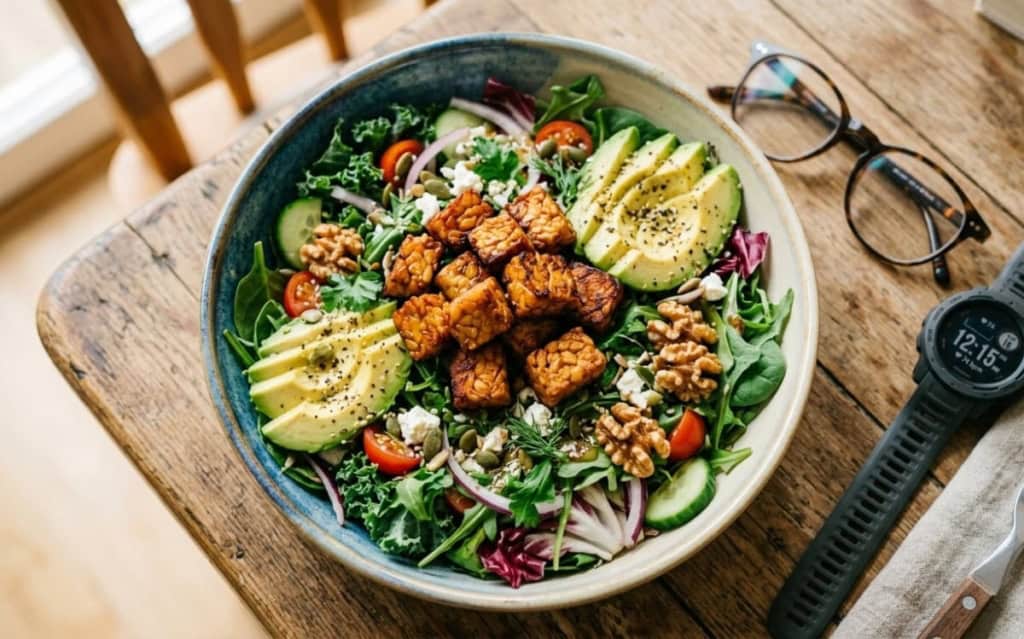
Live culture tempeh supports heart health by lowering LDL cholesterol levels and reducing inflammation through soy isoflavones and fiber. We incorporate tempeh regularly during Meatless Mondays, and over time, it becomes a reliable replacement for higher saturated fat meals.
The American Heart Association links soy-based foods to a 3–5% reduction in LDL cholesterol, especially when replacing animal protein. Isoflavones in tempeh convert into isoflavone aglycones during fermentation. These compounds are easier for the body to use and linked to cardiovascular benefits.
Key heart-supporting elements include:
- Soy isoflavones
- Dietary fiber
- Low saturated fat
Additional benefits we observe:
- Better energy consistency
- Reduced reliance on processed meats
In a recent analysis by Food Research International, overall, finding a variety of bioactive compounds and their genetic backgrounds supports tempe’s position as a functional superfood that could gain global popularity through further research and development.”
How Live Culture Tempeh Helps Your Blood Sugar

You eat a meal, and an hour later you’re tired or hungry again. That’s a blood sugar spike and crash. Live culture tempeh can help smooth that out. It has a low glycemic index, which is a technical way of saying the carbohydrates it contains break down slowly.
More importantly, it’s packed with protein and fiber. A 100-gram serving has around 7 grams of fiber. When you eat tempeh with something like rice, the combination changes how your body handles the meal. The protein and fiber in the tempeh slow everything down.
Digestion isn’t as rushed, so the glucose from the rice enters your bloodstream gradually instead of all at once. You avoid that sharp energy spike. According to Frontiers in Nutrition, the fermentation of soy and the use of whole soy products significantly improve glucose control and insulin sensitivity, making it an ideal staple for metabolic health.
The American Diabetes Association backs this up, noting that pairing carbohydrates with protein and fiber is a solid strategy for better glucose control. In practical terms, this means your energy levels after eating are more reliable. You’re less likely to experience that mid-afternoon slump or sudden craving for something sweet.
It also helps you feel fuller and more satisfied for longer. In a typical diet filled with white bread, pasta, and sugary snacks, adding tempeh is a simple way to add some steadiness.
“Protein and fiber provide a ‘brake’ on digestion, which helps prevent blood glucose surges and maintain more consistent insulin levels throughout the day.” – Harvard Health Publishing
For an in-depth look at what makes tempeh high-quality, understanding the differences in texture and fermentation plays a crucial role in how it impacts your blood sugar management.
The Nutritional Makeup of Live Culture Tempeh
Tempeh is more than just a protein block. The fermentation process, using live cultures, transforms it. It becomes a source of nutrients that are easier for your body to use. First, it’s a good source of B vitamins, which are crucial for turning food into energy. Some tempeh can even contain vitamin B12, a nutrient often lacking in plant-based diets, though this depends on the specific fermentation process.
You also get minerals like iron for your blood, calcium for bones, and magnesium, which is involved in hundreds of bodily processes, from muscle function to mood regulation. The real magic of fermentation is in bioavailability. Raw soybeans contain compounds called phytates, often labeled “anti-nutrients,” because they can bind to minerals and prevent absorption.
The fermentation process in tempeh breaks a lot of these down. Recent analysis suggests that fermentation with Rhizopus oligosporus can lead to up to a 65% reduction in phytates, which significantly improves mineral bioaccessibility. According to sources like Healthline, this means your body can actually access more of the iron, calcium, and zinc present in the soy. It also increases the food’s antioxidant activity.
| Nutrient | Live Culture Tempeh (per 100g) | Tofu (per 100g) | Lentils (per 100g) |
| Protein | 19g | 8g | 9g |
| Fiber | 7g | 1g | 8g |
| Iron | 2.7mg | 2.7mg | 3.3mg |
| Calcium | 60mg | 253mg | 19mg |
| Magnesium | 89mg | 37mg | 47mg |
So, you’re not just eating the nutrients listed on the label; you’re absorbing more of them. This improved nutrient access, combined with its complete protein profile, is why tempeh has earned its strong reputation. It’s a foundational food that delivers a wide spectrum of what your body needs in a highly usable form.
For more detailed research on how fermentation affects nutrient absorption, trusted medical sources like Harvard Health Publishing are a useful resource.
Does Fermentation Improve Nutrient Absorption?

Soybeans beside a fermented tempeh block showing white mycelium, illustrating the benefits of live culture tempeh
Fermentation improves nutrient absorption by reducing compounds like phytic acid and enhancing mineral bioavailability. We have seen this difference in how filling and digestible meals feel after switching to fermented soy-based products.
The fermentation process reduces anti-nutrients by up to 50%, according to food science research. Rhizopus mould spores drive this transformation, breaking down complex compounds into accessible nutrients.
Benefits include:
- Better iron absorption
- Improved zinc uptake
- Enhanced digestion
This also lowers oxidative stress and supports overall metabolic function.
Real-World Limitations of Live Culture Tempeh
Live culture tempeh requires careful storage and consistent fermentation conditions, which can limit availability and consistency. From experience, working with live tempeh demands attention. Temperature, airflow, and starter quality all matter. Online communities like fermentation forums often report failed batches due to poor tempeh starter or unstable incubation.
Common challenges include:
- Short shelf life
- Sensitivity to temperature
- Inconsistent texture
We address this at SoyaMaya by producing in controlled small batches. That balance keeps the product reliable while preserving live cultures.
How to Choose High-Quality Live Culture Tempeh
High-quality live culture tempeh shows visible white mycelium, a firm texture, and a clean, nutty aroma. We always check freshness first. Live tempeh should look alive, not dull or overly dry.
Signs to look for:
- Bright white fermentation layer
- Firm, compact structure
- Mild mushroom-like aroma
Avoid products with:
- Ammonia smell
- Slimy texture
At SoyaMaya, we use organic Indiana soybeans and small-batch fermentation to maintain consistency. It reflects how traditional Indonesian food meets modern production.
FAQ
How does the fermentation process improve the nutritional profile of tempeh?
The fermentation process in tempeh enhances its nutritional profile by breaking down soy proteins into more digestible amino acids and bioactive compounds. Rhizopus oligosporus, the mold used in fermentation, increases the bioavailability of essential nutrients like B vitamins, short-chain fatty acids, and soy isoflavones. This process also supports gut health, improves protein absorption, and boosts immune function.
Can tempeh help improve heart health and cholesterol levels?
Tempeh, made from fermented soybeans, is a great source of plant-based protein and soy isoflavones, both of which help support heart health. Research suggests that consuming tempeh can help lower LDL cholesterol levels, reduce oxidative stress, and improve overall cholesterol balance. As a result, tempeh serves as a heart-healthy, plant-based alternative to animal-based protein sources.
What role does tempeh play in improving bone health?
Tempeh promotes bone health by providing a rich source of plant-based protein, B vitamins, and minerals such as calcium and magnesium. The fermentation process increases the bioavailability of these nutrients, which are essential for maintaining strong bones. Regular consumption of tempeh can help reduce bone loss and support overall bone density, especially for those who avoid animal-based protein sources.
How does tempeh support gut health and immune function?
Tempeh supports gut health and immune function due to its high content of live cultures and Lactic acid bacteria. These beneficial microorganisms promote a healthy gut microbiome, improve digestion, and help reduce oxidative stress. Additionally, the bioactive peptides and short-chain fatty acids in tempeh further contribute to improved gut health and a stronger immune system.
Is tempeh a good source of plant-based protein for vegetarians?
Yes, tempeh is an excellent source of plant-based protein, providing all nine essential amino acids necessary for muscle growth and repair. As a soy-based food, tempeh offers a superior protein profile compared to many other plant-source proteins. It is a sustainable and nutritious protein option for vegetarians and serves as a versatile meat substitute in various dishes such as tempeh tacos or tempeh bacon.
This version ensures clarity and completeness while maintaining a natural, human-like flow.
Why Live Culture Tempeh Just Works for You
You can feel it when your meals don’t sit right, low energy, heavy digestion, and food that doesn’t really help your body. It gets frustrating fast. You want something simple that actually supports how you feel every day.
That’s where SoyaMaya makes it easier. Their live culture tempeh fits into real meals and helps your body handle food better without extra effort. It’s a straightforward step that supports your gut and keeps things practical, so you can eat well and feel the difference without overthinking it.
If you are ready to experience the benefits of live culture tempeh firsthand, you can SoyaMaya to find the perfect fit for your next meal.
References:
- https://diabetes.org/food-nutrition/reading-food-labels/non-starchy-vegetables
- https://nutritionsource.hsph.harvard.edu/carbohydrates/fiber/
Related Article:
- https://mayasaritempeh.com/what-is-pasteurized-tempeh/
- https://mayasaritempeh.com/what-makes-tempeh-high-quality/
- https://mayasaritempeh.com/fresh-vs-pasteurized-tempeh/
SoyaMaya Fresh Tempeh
Traditionally fermented, no preservatives, shipped fresh and frozen to your door. The real deal, direct from us.
