
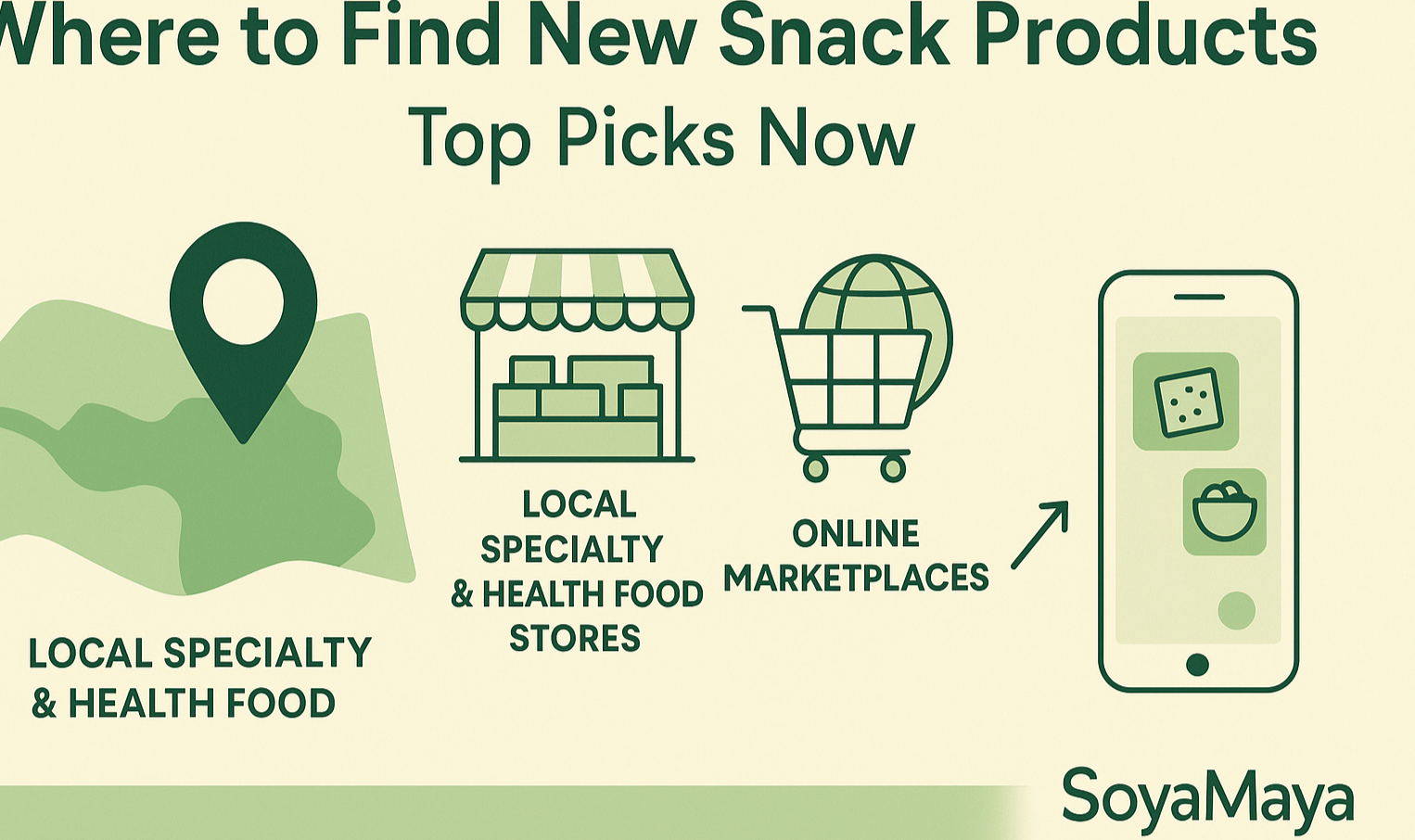
Finding new snack products starts with knowing where to look and being clear about what matters to you. Maybe you care about clean ingredients, bold flavor, or snacks made by people who treat the planet well. When you explore with that in mind, every new find feels more intentional, not just random.
With SoyaMaya, we’ve spent years chasing what’s next in the food world, following small local makers, global trends, and everything in between. That pattern keeps leading us to the same place: real innovation happens where local sourcing meets big, worldwide ideas. Keep reading to see how you can stay ahead of the snack curve.
Key Takeaway
- Explore local health food stores for unique, trend-setting items.
- Leverage online platforms and bulk suppliers for variety and value.
- Follow industry reports to understand the “why” behind new products.
Why Finding New Snack Products Matters
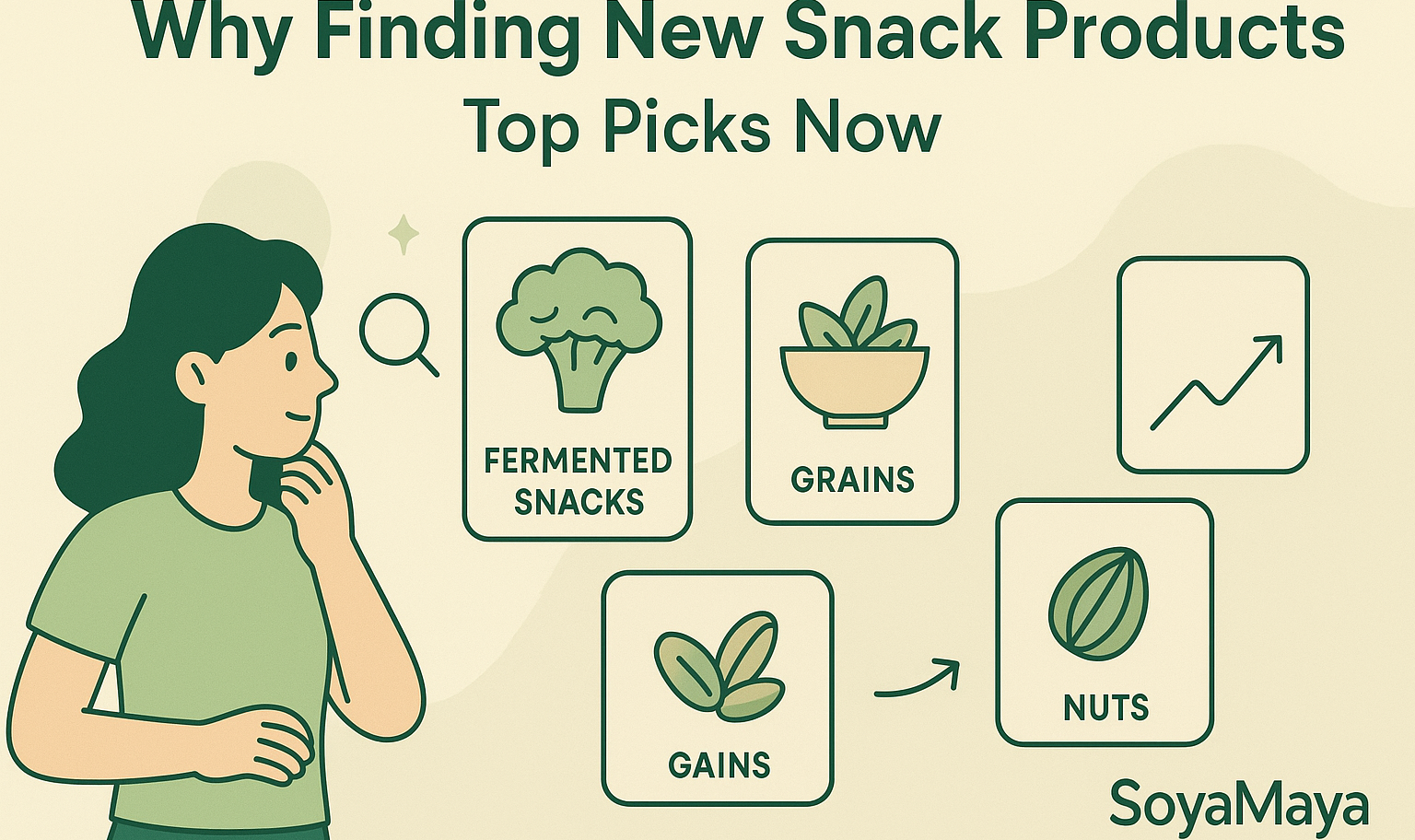
There’s a small kind of thrill when you bite into a snack you’ve never tried before …
Soya Maya Tempeh Protein Chips — 100% plant-based, high protein, no artificial additives. Ships to your door.
Get Your Chips →Because snacking is everywhere, and growing fast. According to a survey by Mondelēz, 91% of global consumers snack at least once per day, and 61% snack twice or more. [1]
The global snack-food market is also booming: it’s projected to grow from about US$ 249.7 billion in 2024 to US$ 468.8 billion by 2034, rising at a compound annual growth rate (CAGR) of 6.5%.
Another estimate even puts global snack sales at US$ 680 billion in 2024, highlighting how “snackification” is reshaping how people eat.
Because most people snack a lot , and those snacks add up.
- In the U.S., 95% of adults report eating one or more snacks on any given day.
- Among those snackers, 78% have two or more snacks per day.
- According to dietary research, snacks contribute on average 24% of daily energy intake, and 43% of added sugars in American adults’ diets come from snacks.
- Also, the frequency of snacking has risen over decades: in one review, the average number of daily snacks has doubled in 30 years, and the proportion of adults snacking on any given day rose from ~59% to ~90%.
Because snackers increasingly want something more meaningful.
- According to the 2024 Mondelēz “State of Snacking” report, 75% of consumers say they’re excited about finding a new snack to try, signaling a strong appetite for novelty.
- On the health front, a 2024 global consumer report by HealthFocus found 48% of shoppers consume 2+ snacks daily, and many are now looking for snacks that do more than just satisfy, they want better ingredients, functional benefits, or more mindful indulgence.
Because your curiosity actually helps drive change.
When people keep exploring new snacks, they create demand for innovation. That encourages small makers (like you) to experiment with better ingredients , less processed, more culturally rooted, more nutritionally thoughtful. In a multi-hundred-billion-dollar market that’s still accelerating, consumer choice matters: it signals to producers what’s worth making next.
In short:
- Snacking is near-universal and growing strongly.
- Snacks make up a large slice of daily calories and sugar.
- People aren’t just snacking more , they’re also becoming more intentional, adventurous, and health-conscious in their snack choices.
When you stay curious about snacks, your preferences help the whole ecosystem evolve , toward cleaner, more interesting, more meaningful snacking.
Specialty and Health Food Stores
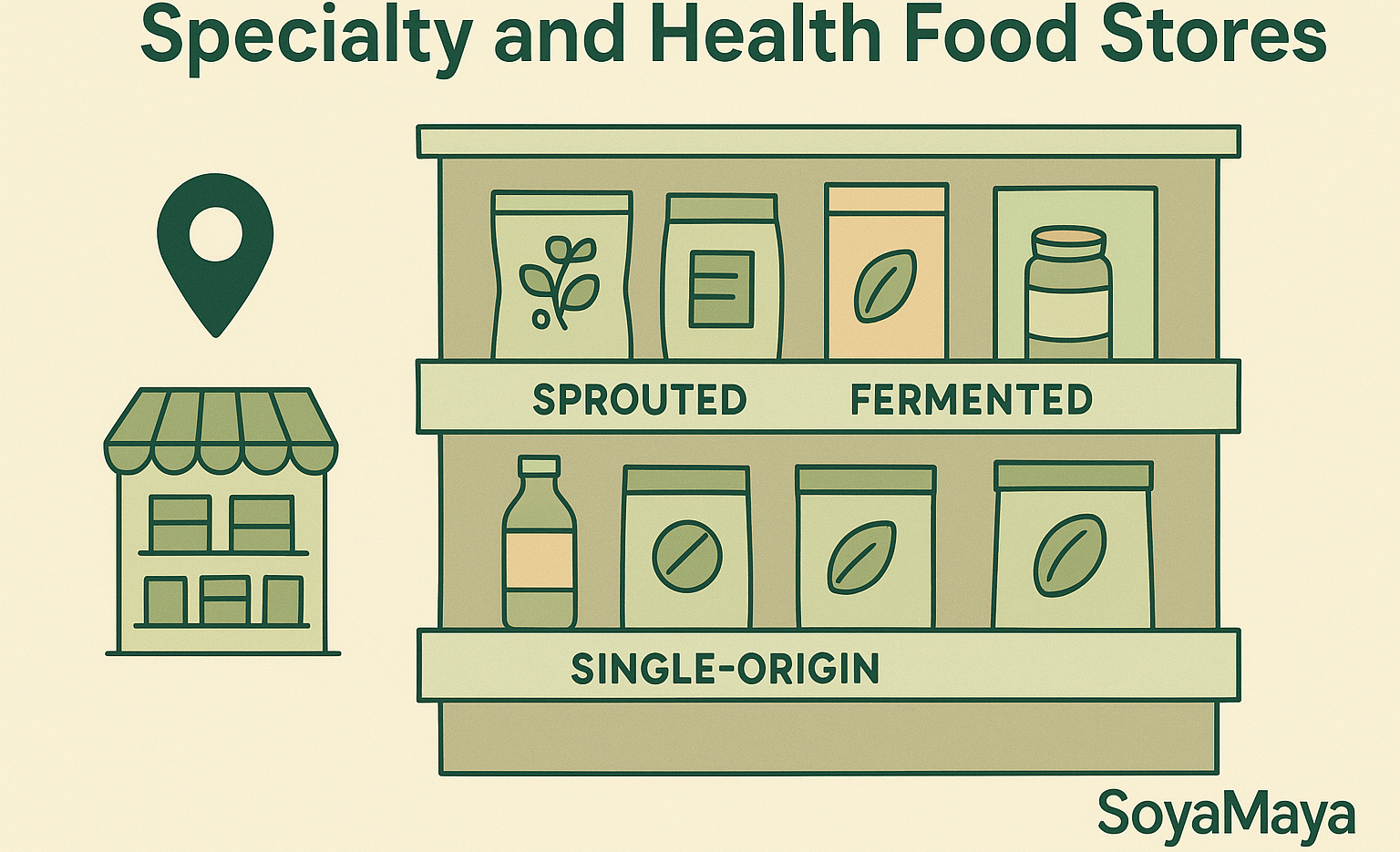
If you want to see where snack trends actually begin, not just where they end up, start with your local specialty or health food store. These places are usually the first to give shelf space to new ideas. The buyers there tend to be people who read ingredient labels for fun, follow food trends closely, and care about how products are made. They take chances on small-batch producers and local brands that big chains might ignore because the volume is “too small” or the idea is “too new.”
In a store like this, you’re not just grabbing something off a shelf and leaving. You can talk to the staff, ask what they’re into right now, hear why they chose a certain brand, and get honest opinions. Often, you can try a free sample or taste something at a demo table before you commit to a full bag or box. That face-to-face moment, where you can ask what’s in it, how to use it, or what it pairs well with, gives you more confidence to try unfamiliar products.
Walking the aisles is a full sensory experience. You can feel the weight of a package, see how a brand tells its story on the label, and actually read the ingredients without squinting at a tiny screen. You notice phrases like “sprouted,” “fermented,” or “single-origin,” and start to connect those words with how the snack might taste or make you feel.
For us, These stores were the first real bridge between our kitchen and the wider world. Before we had much of an online presence, it was health food shops and co-ops that took a chance on our tempeh snacks, long before wider distribution networks featured us in guides explaining who distributes SoyaMaya Tempeh Chips. The people who shop there tend to be open to trying something different, especially if they know it supports a small producer or a local farm. Those early shelves turned into our testing ground. We could see what sold, listen to feedback, and keep improving.
These stores also work like quiet community hubs for food innovation. They’re usually the first to carry trends like plant-based proteins, functional ingredients for gut or brain health, or snacks made with upcycled materials to cut waste. If you want to know what might be mainstream in a few years, you often see the first hints here.
Here are some simple ways to explore them more intentionally:
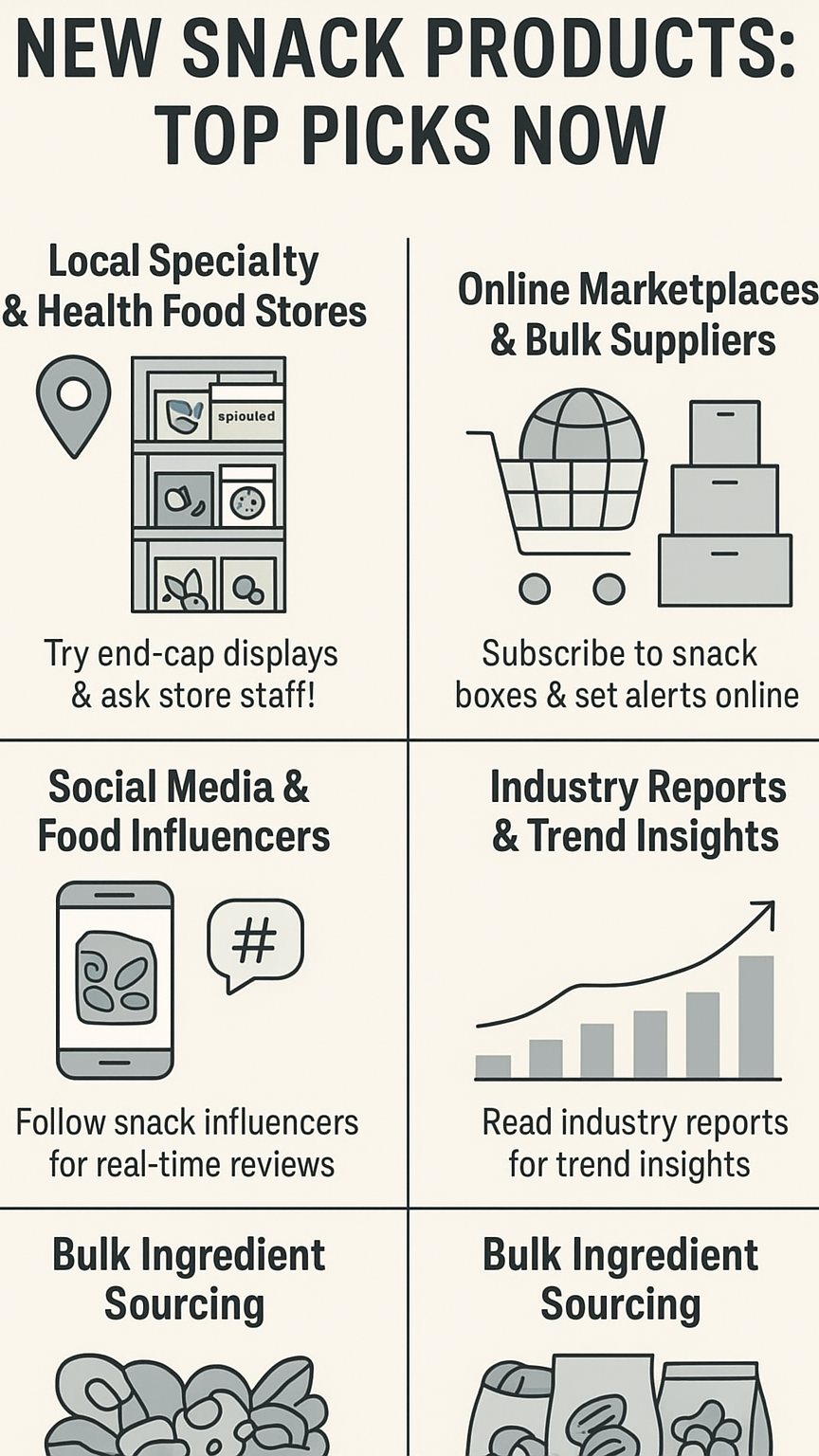
- Look for end-cap displays featuring new arrivals. End-caps (those displays at the ends of aisles) are often where stores highlight what’s fresh, seasonal, or unique. If you want to try something new with low effort, start there.
- Ask store managers what products they’re most excited about. They usually know the backstory: which snacks come from nearby producers, which ones customers keep reordering, or which ones are doing something unusual with ingredients or processing.
- Check out local co-ops that support regional agriculture. Food co-ops often prioritize regional brands and farms, so the snacks you find there may not even exist in bigger chains yet. What you’re buying might be tied directly to a nearby field or fermentation room.
This hands-on, in-person way of discovering snacks is hard to replace. Algorithms can recommend based on patterns, but they can’t hand you a sample, listen to your questions, or tell you how the founder dropped off the first batch by bike. When you wander those aisles with a bit of curiosity, you give yourself a chance to find the kind of hidden gems that rarely show up in the usual snack rotation.
Online Marketplaces and Bulk Suppliers
The internet has completely changed the game for snack discovery. Online marketplaces give you access to a global inventory of products , and that matters more than ever: the global online grocery market is booming. It was valued at around US$ 67.6 billion in 2024 and is forecast to reach nearly US$ 992.4 billion by 2033, with a compound annual growth rate (CAGR) of 36.8%.
You can find snacks from other countries, from tiny startups, and from brands that specialize in very specific dietary needs. This trend aligns with how consumers are increasingly shopping online , a VTEX survey found that 69% of consumers now purchase groceries online, and nearly half of those people (47%) order 26–50% of their groceries via digital channels. [2]
The customer reviews provide a crowd-sourced form of quality control, helping you gauge if a product is worth a try.
Bulk suppliers, both online and in warehouse clubs, are perfect for when you find a new snack you love. They allow you to purchase larger quantities at a better price, which is ideal for families or for stocking up on favorites, especially when you already know where to buy tempeh chips from reliable online sources. For us, offering wholesale options is a way to make our tempeh chips more accessible to people who want to incorporate them into their daily routine consistently.
The convenience of having new snacks delivered to your door cannot be overstated. It’s not just one-off shopping anymore , subscription models are taking off. The global snack subscription market is projected to grow from US$ 6.2 billion in 2025 to US$ 11.8 billion by 2035, at a CAGR of 6.6%.
Meanwhile, the broader subscription box market (which includes snack boxes) was estimated at US$ 17.5 billion in 2024, and is expected to expand to US$ 31.3 billion by 2034.
Here are a few concrete strategies that align with how people are actually behaving online:
- Set up alerts for new product launches on your favorite sites , online grocery is clearly not a niche anymore.
- Explore subscription boxes that curate new snacks for you monthly , the snack-subscription sector is growing strongly.
- Compare prices between different online retailers , when e-commerce is forecast to keep growing double-digits for years, being price-savvy pays off.
This method combines convenience with an almost limitless selection, powered by a growing digital grocery ecosystem that makes discovering interesting, high-quality snacks easier than ever.
Social Media and Food Influencers
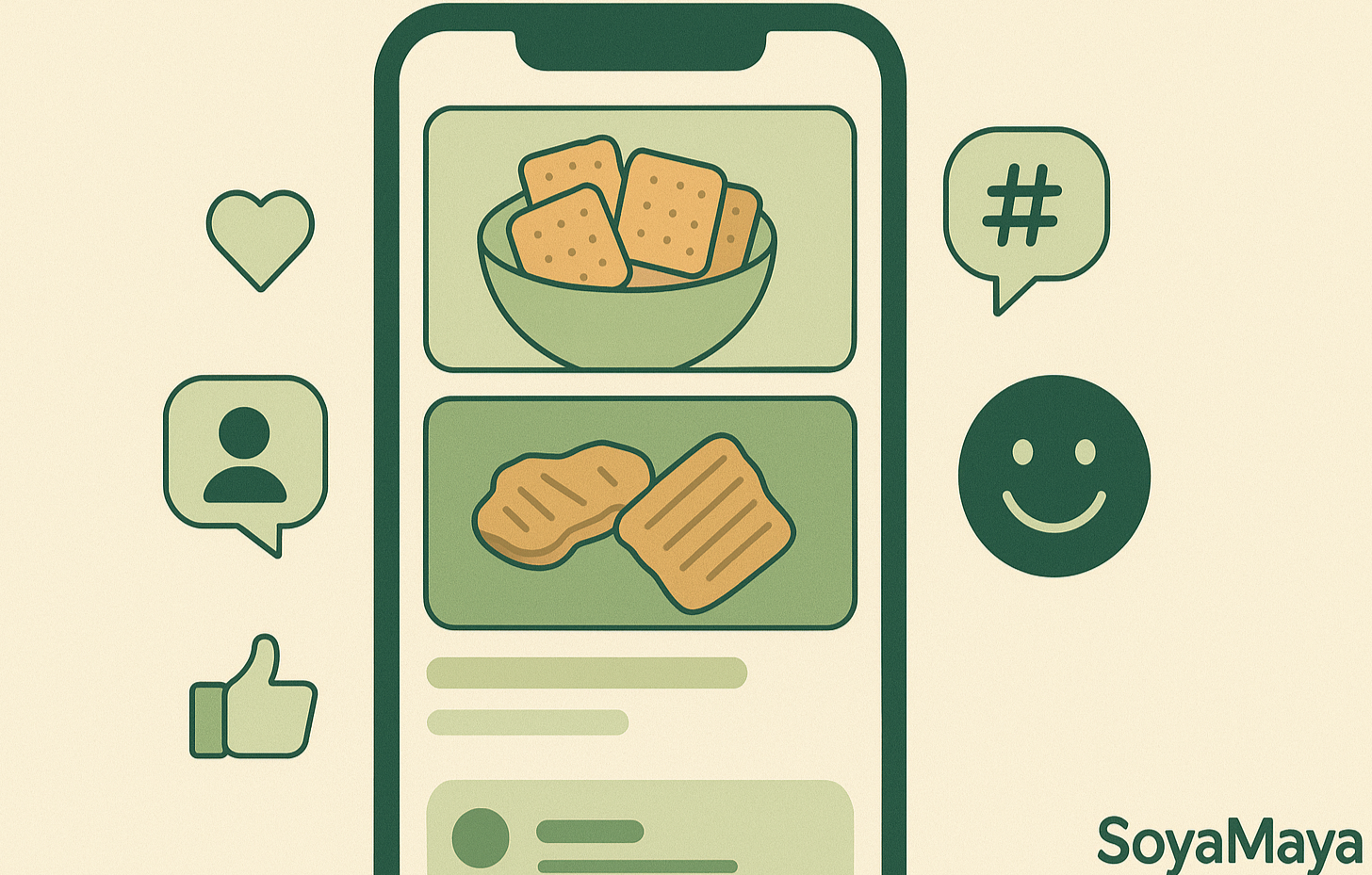
Social media is like a constantly updating catalog of the snack world. Food influencers and bloggers often get early access to new products, providing real-time reviews and serving suggestions. A short video of someone enjoying a new chip flavor can be more persuasive than any traditional advertisement. It feels authentic, like a recommendation from a friend, especially when creators walk through practical steps on how to find tempeh chips near you, making discovery feel effortless.
These platforms also allow for direct interaction. You can ask questions, see how a product is really made, and learn about the people behind the brand. We use our own channels to share not just product info, but the story of our soybeans, our fermentation process, and the community projects we support. It builds a connection that goes beyond the transaction.
Following hashtags related to your interests can lead to unexpected discoveries.
Industry Trend Reports and Publications
While social media shows you what is new, industry reports help you understand why it is new. Publications that track food science and consumer behavior offer a deeper look into the trends shaping the snack aisle. They highlight emerging ingredients, like the high-oleic soybeans we use, explaining their nutritional advantages over conventional options.
Reading these reports can make you a more informed consumer. You start to see patterns, understanding that the rise of tempeh is part of a larger shift towards fermented foods and plant-based protein. This knowledge helps you predict what you might see on shelves next, turning you from a passive buyer into an active participant in the food landscape.
It connects the dots between agricultural practices, food manufacturing, and your shopping cart.
Sourcing Bulk Snack Ingredients
Sometimes the best new snack is the one you make yourself. Sourcing high-quality ingredients in bulk is a fantastic way to control what you eat and experiment with flavors. Buying nuts, seeds, grains, and spices in larger quantities is more economical and reduces packaging waste. You can create custom trail mixes, spice blends, or energy bars tailored exactly to your taste.
This approach aligns with a desire for transparency and simplicity in food. You know exactly where your ingredients come from and what has been added to them. For those who are truly passionate, it can even be the first step toward creating your own snack products, much like how we started making tempeh at home before it became a business.
It empowers you to be the innovator in your own kitchen.
FAQ
1.How can we track snack food packaging trends before new items reach stores?
You can track snack food packaging trends by reading snack food innovation reports and following snack consumer insights shared by researchers. Many people also check snack food media coverage and snack product analytics, which highlight early changes in design and function. These sources help you understand how packaging shapes flavor, freshness, and how new products enter the market.
2.Where can we learn about snack novelty items becoming popular each year?
You can learn about snack novelty items by exploring snack food contests, snack food crowdfunding platforms, and snack brand collaborations. These places reveal early ideas before they spread widely. Many people also follow snack regional snacks and snack consumer behavior studies to see which items gain attention in different areas and why they become memorable.
3.How do experts study snack product innovation cycles to predict future trends?
Experts study snack product innovation cycles by tracking snack flavor innovations, reviewing snack functional ingredients, and following research on snack ingredient research. They also use snack product portfolios to compare what brands release each year. These steps help them spot patterns and see how snacks change over time, making future shifts easier to understand.
4.What resources help shoppers explore snack food startups entering the market?
Shoppers can explore snack food startups by following snack food startups news, checking updates from snack food innovation labs, and reading about snack food accelerator programs. Many people also browse snack trade shows and snack food product launches to see how new makers introduce their ideas. These sources give a clear view of newcomers shaping the snacking world.
Conclusion
The search for new snack products is more than picking something to eat, it is a way to explore fresh flavors and makers who care about what they create. Each discovery connects you to a wider community and a food system built on intention and quality. When you try something new, you support the craft behind it. Ready for your next find? Explore what’s new and shop here: Soya Maya Shop
References
- https://www.mondelezinternational.com/stateofsnacking/
- https://www.thepacker.com/news/retail/vtex-survey-reveals-69-consumers-purchase-groceries-online
Related Articles
- https://mayasaritempeh.com/who-distributes-soyamaya-tempeh-chips/
- https://mayasaritempeh.com/where-to-buy-tempeh-chips/
- https://mayasaritempeh.com/how-to-find-tempeh-chips-near-you/
Soya Maya Tempeh Protein Chips
High-protein, plant-based, made from real tempeh. No artificial flavors. Crunchy and satisfying every time.
