
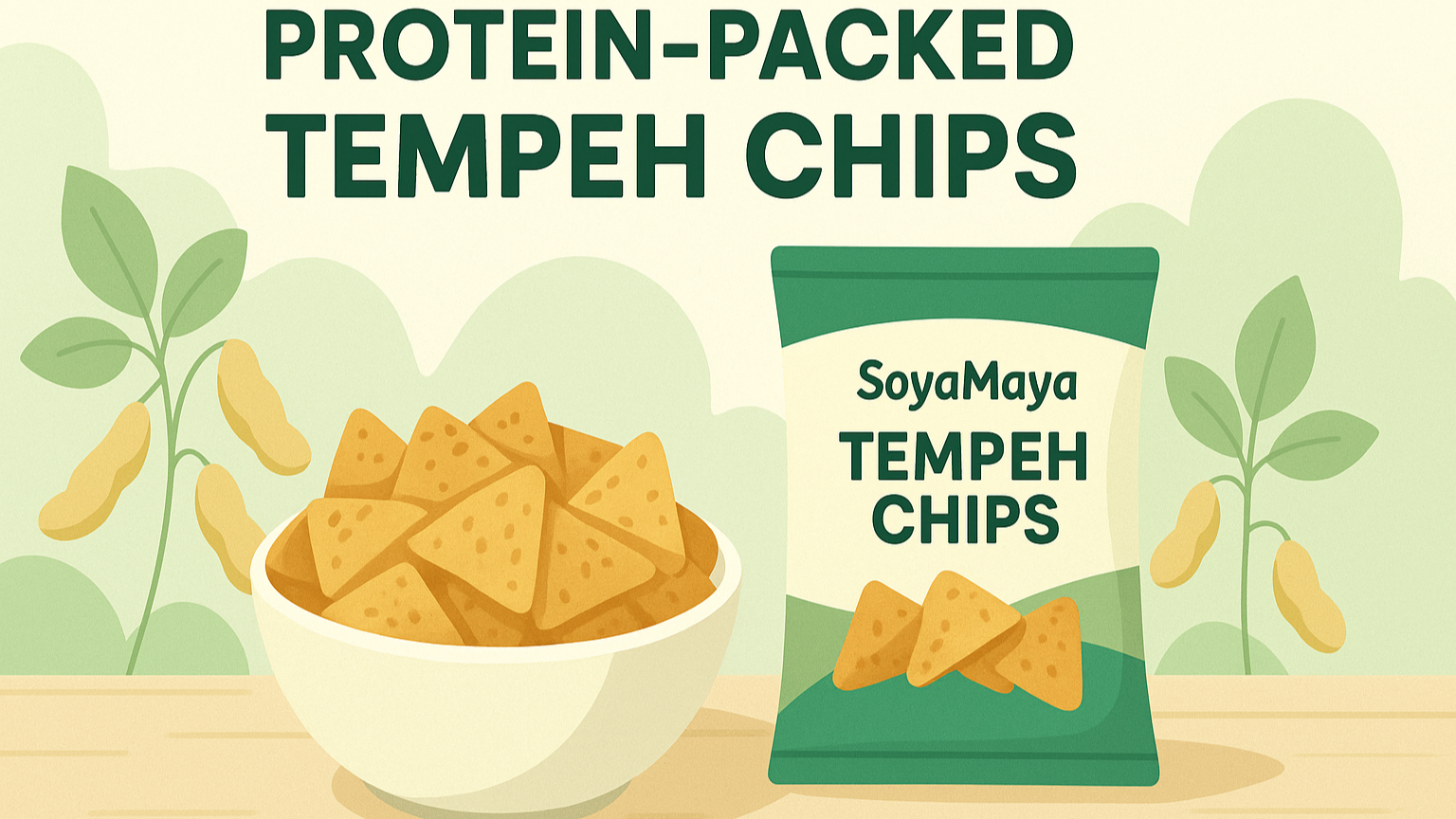
Tempeh chips are crunchy, protein-packed snacks made from thinly sliced, fermented soybeans, usually baked or air-fried so you get the crisp without all the grease. They stand out because they’re not just “veggie chips” but a complete protein source with natural probiotics to support muscle repair and gut health. You make them by slicing tempeh, soaking it in a flavorful marinade, then cooking until it turns golden and crisp. They work as a snack, salad topper, or side. Keep reading to see how to make them at home, which brands are worth trying, and why they’re such a smart choice.
Key Takeaways
- Tempeh chips are a superior source of complete plant protein and gut-healthy probiotics.
- Making them at home is simple, requiring just tempeh, a marinade, and an oven or air fryer.
- Proper storage in an airtight container is crucial to maintain their signature crispiness.
What Are Tempeh Chips?
You see them more often now, tucked away in the health food aisle next to the kale chips and roasted chickpeas. The bags are usually smaller, the fonts cleaner. Tempeh chips. They have a heft to them, a density that whispers substance. They’re not just air and salt.
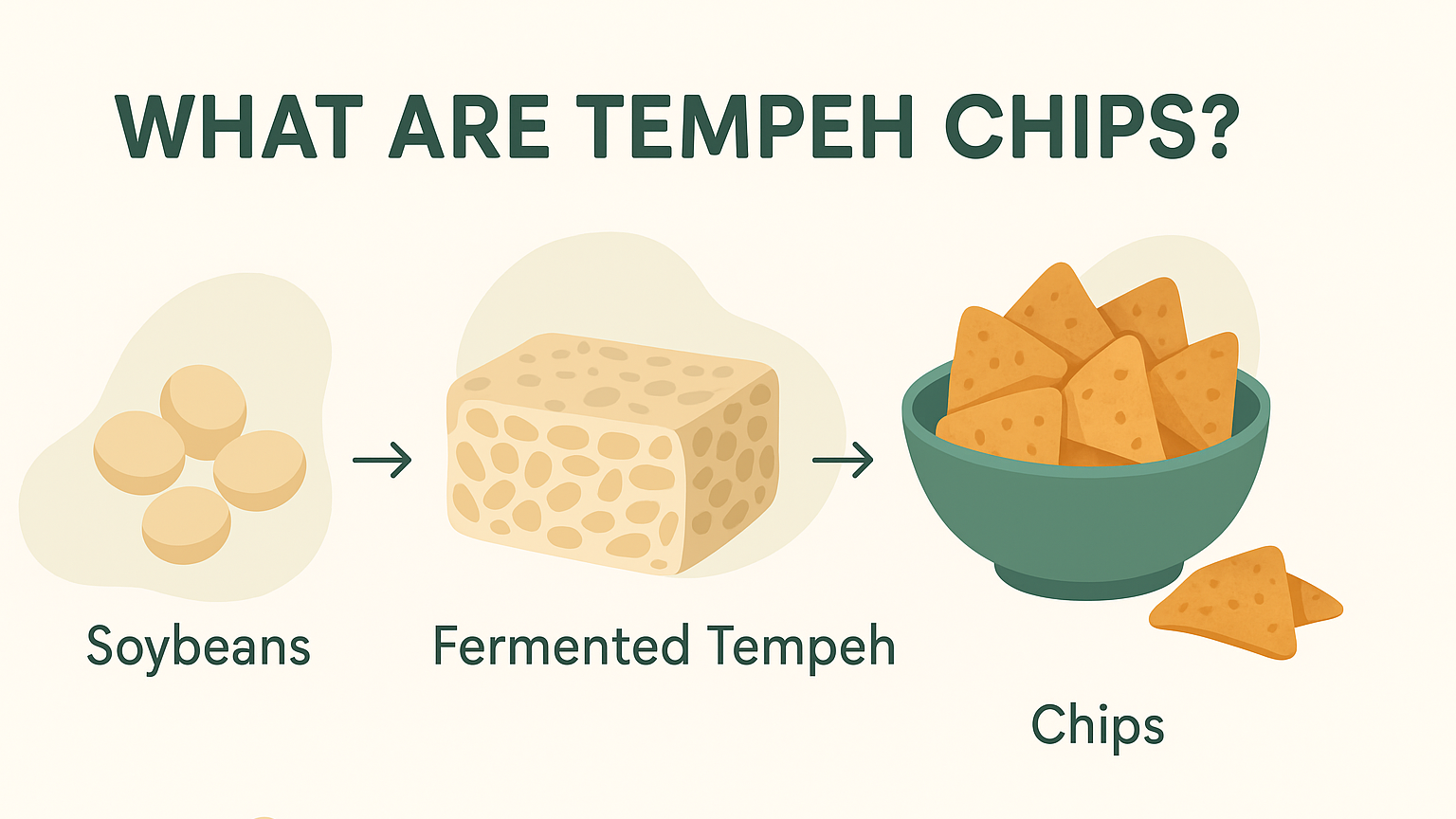
At their simplest, tempeh chips are tempeh that’s been sliced very thin and cooked until crispy, reflecting the same whole-soybean structure emphasized in tempeh chips made from traditionally fermented soy.Tempeh itself is a traditional Indonesian food made from fermented soybeans. The fermentation process binds the beans into a firm, cake-like loaf. This process is what sets it apart. It introduces beneficial bacteria, probiotics, that are good for your gut. It also breaks down some of the sugars and proteins, making tempeh easier to digest than plain tofu or edamame.
SoyaMaya Tempeh Protein Chips — 100% plant-based, high protein, no artificial additives. Ships to your door.
Get Your Chips →When you slice that dense, nutty-tempeh cake and bake or air-fry it, something great happens. The edges curl. The surface gets bubbly and brown. The result is a chip with real bite, a snack that doesn’t dissolve on your tongue but requires a satisfying crunch. It’s a plant-based chip that feels like it’s made of something real.
The Core Appeal
- Protein power: Plain tempeh delivers around 19–20 grams of protein per 100 g.
- Calories (energy density): For 100 g of tempeh you get roughly 190–199 kcal.
- Fats & carbs: In 100 g, tempeh typically has about 7–11 g fat and 7–17 g carbohydrates (depending on the source). [1]
- Micronutrients & minerals: Plain tempeh is also a source of minerals, e.g. about 93 mg calcium, 70 mg magnesium, and 206 mg phosphorus per 100 g.
- Tempeh chips nutrition (as a snack): For example, a brand of soy-tempeh chip lists for 30 g serving, about 141.5 kcal, 4.2 g protein, 8.3 g fat, 13.1 g carbohydrates, 1.8 g fiber.
- Filling & satiety: Because of the high protein (and fiber + plant-based composition), snacks based on tempeh may keep you feeling fuller longer than airy, highly processed chips, more “you eat a handful, and you feel it.”
It’s a snack that doesn’t leave you hungry ten minutes later. You eat a handful, and you feel it. That’s the point.
Tempeh Chips vs. Veggie Chips: What’s the Real Difference?
Walk down the snack aisle and you’ll see bags promising health. Veggie straws. Beet chips. Sweet potato crisps. They’re often brightly colored, marketed as a better-for-you option. And they are, in a way. But tempeh chips operate on a different level entirely.
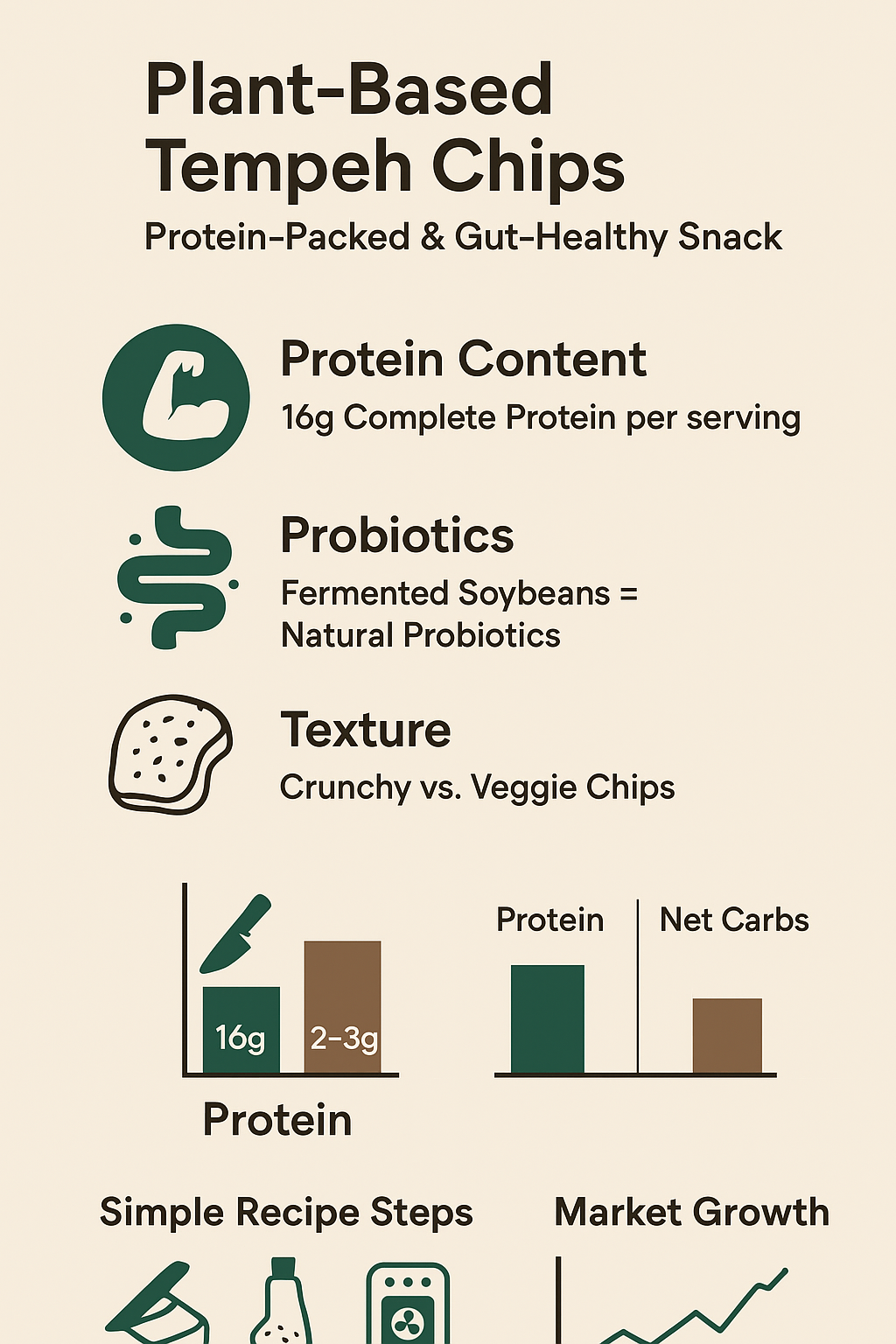
Think of most veggie chips as carbohydrates with a vitamin boost. Their primary ingredient is often a starchy vegetable, a contrast to the protein-forward formulations highlighted in broader categories of plant-based chips made from legumes and fermented soy. Or a potato base with vegetable powder added for color. They provide some fiber, sure. But they’re rarely a significant source of protein. You might get 2 or 3 grams per serving. Tempeh chips, on the other hand, are a protein source first. The soybeans are the main event.
Here’s a quick breakdown of why they stand out:
- Protein Content: Tempeh chips offer substantially more protein, which promotes satiety and helps with muscle maintenance.
- Net Carbs: Due to their high fiber and protein content, the net carbohydrate count is often lower.
- Probiotics: The fermentation process is unique to tempeh, offering gut health benefits that veggie chips simply don’t have.
- Nutrient Density: Tempeh brings a wider profile of nutrients to the table, including magnesium, potassium, and B vitamins.
It’s not that veggie chips are bad. It’s that tempeh chips are playing a different game. They’re a functional snack, designed to nourish as much as to satisfy a craving.
How to Make Tempeh Chips: A Simple Recipe
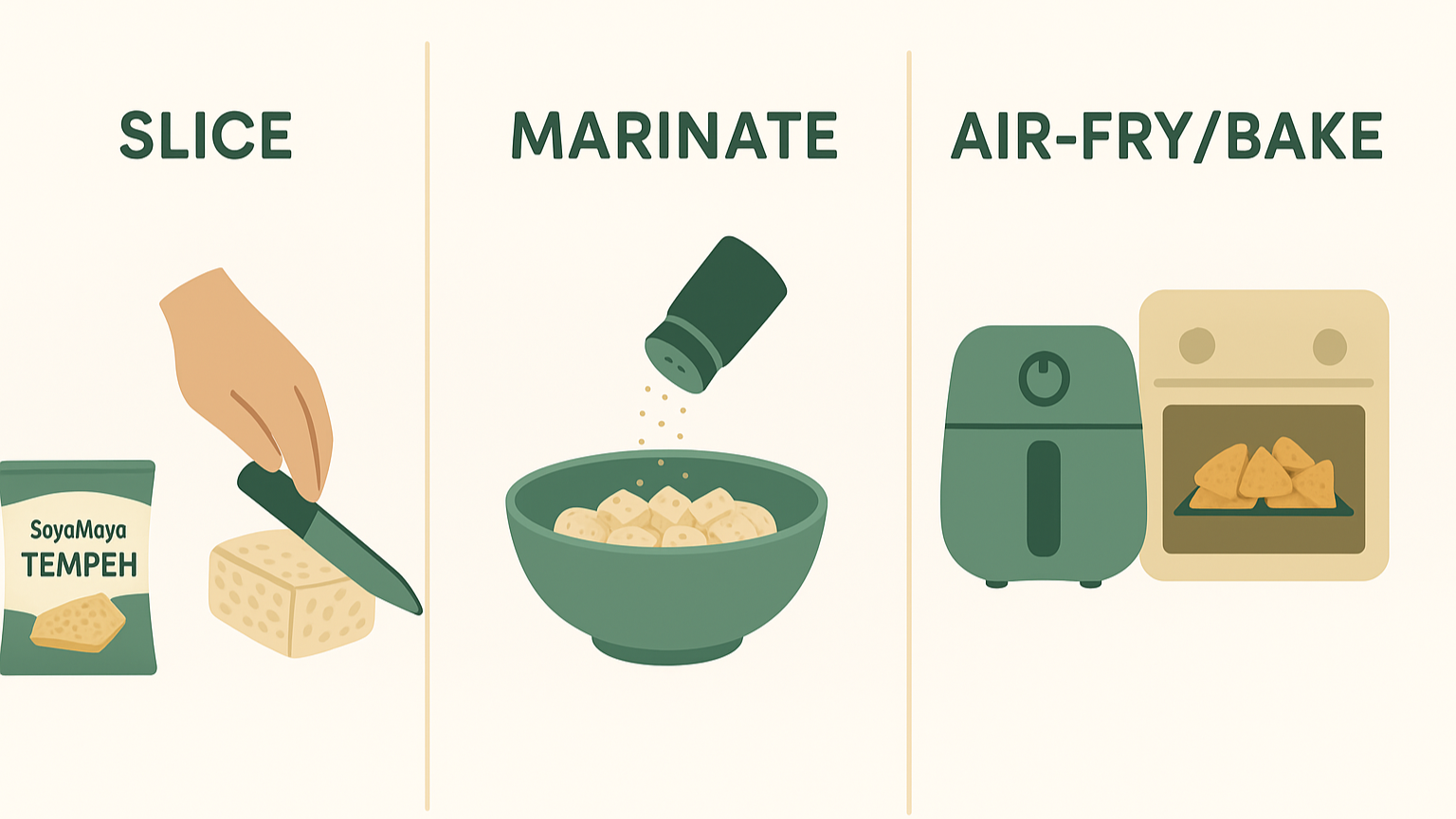
At their simplest, tempeh chips are tempeh that’s been sliced very thin and cooked until crispy. Tempeh itself is a traditional Indonesian food made from fermented soybeans. The fermentation process binds the beans into a firm, cake-like loaf. This process is what sets it apart. It introduces beneficial bacteria / prebiotics, that are good for your gut. It also breaks down some of the sugars and proteins, making tempeh easier to digest than plain tofu or edamame.
When you slice that dense, nutty-tempeh cake and bake or air-fry it, something great happens, a transformation similar to the crisping method described in how to make tempeh chips, where thin cuts and high heat create that signature golden crunch.The edges curl. The surface gets bubbly and brown. The result is a chip with real bite, a snack that doesn’t dissolve on your tongue but requires a satisfying crunch. It’s a plant-based chip that feels like it’s made of something real.
The Core Appeal, now with numbers
- Protein power: Plain tempeh delivers around 19–20 grams of protein per 100 g. [2]
- Calories (energy density): For 100 g of tempeh you get roughly 190–199 kcal.
- Fats & carbs: In 100 g, tempeh typically has about 7–11 g fat and 7–17 g carbohydrates (depending on the source).
- Micronutrients & minerals: Plain tempeh is also a source of minerals, e.g. about 93 mg calcium, 70 mg magnesium, and 206 mg phosphorus per 100 g.
- Tempeh chips nutrition (as a snack): For example, a brand of soy-tempeh chip lists for 30 g serving, about 141.5 kcal, 4.2 g protein, 8.3 g fat, 13.1 g carbohydrates, 1.8 g fiber.
- Filling & satiety: Because of the high protein (and fiber + plant-based composition), snacks based on tempeh may keep you feeling fuller longer than airy, highly processed chips, more “you eat a handful, and you feel it.”
The Best Tempeh Chip Brands to Try
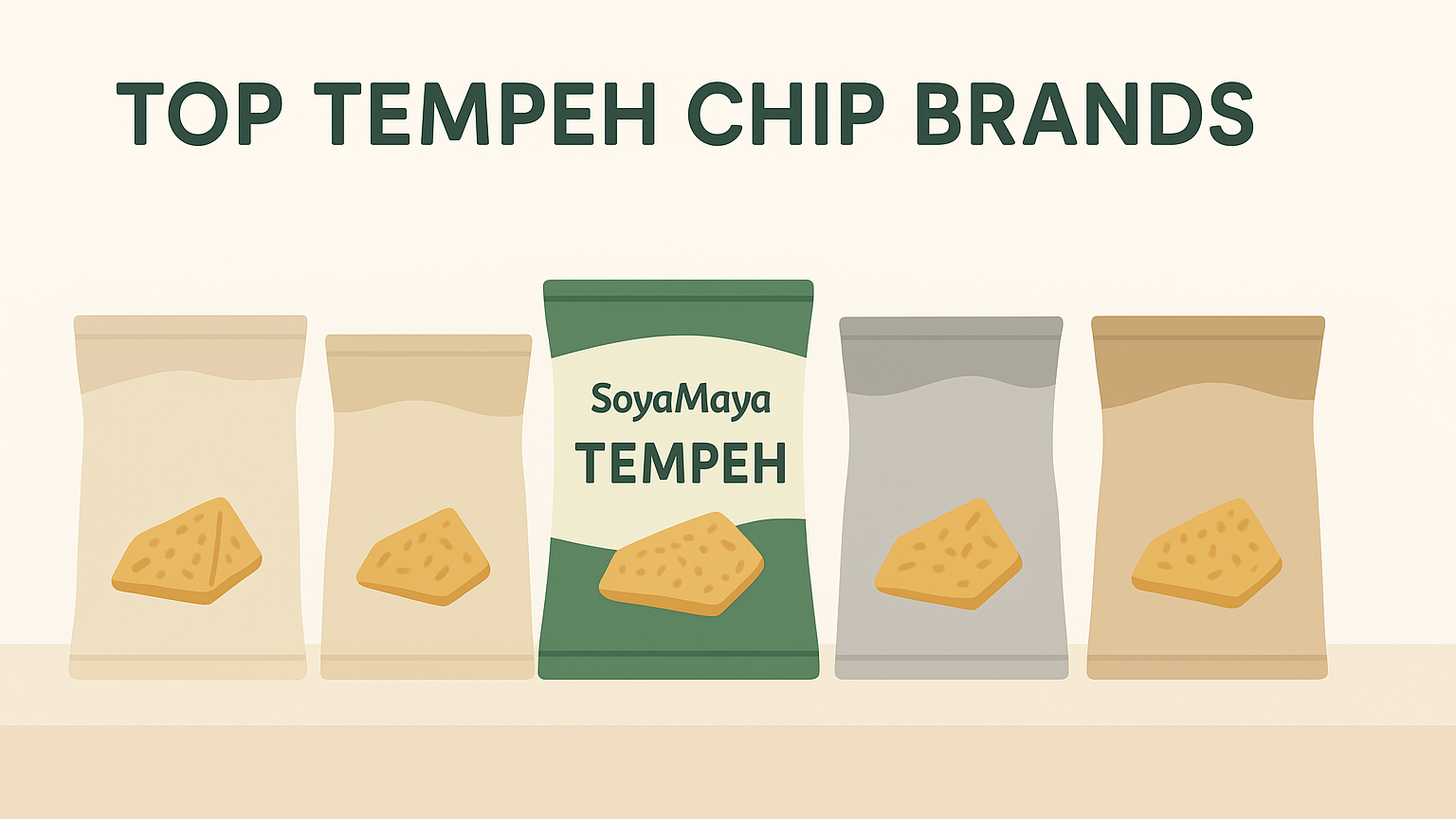
Maybe you don’t feel like turning on the oven. That’s fair. The market for ready-made tempeh chips has grown, fueled by a 15% year-over-year increase in plant-based snack sales. A few brands have carved out a space for themselves by focusing on clean ingredients and great flavor.
The Good Crisp Company is often mentioned. Their chips are known for a light texture and clear labeling, non-GMO, gluten-free, vegan. The New Primal offers tempeh chips with bold, barbecue-style seasonings. Then there are smaller, artisanal brands you might find at a local health food store or farmers’ market. These smaller batches can be real gems, often with unique flavor profiles like sriracha lime or coconut aminos.
When you’re evaluating brands, look at the ingredient list. The best ones keep it simple: tempeh, a healthy oil, salt, and spices. Avoid brands with long lists of unpronounceable ingredients or excessive added sugars. The protein content should be prominent on the nutrition label, a quick indicator you’re getting the real deal.
Trying a few different brands is the best way to find your favorite. Your palate might prefer a lighter, crispier chip or a thicker, heartier one. The market has room for both now.
How to Store Tempeh Chips to Keep Them Crisp
Credits: Veggiekins
This might be the most important step, whether you make them or buy them. The enemy of a good tempeh chip is moisture. They start out perfectly crisp, but leave the bag open on the counter overnight, and you’ll wake up to a sad, chewy version of their former selves.
The rule is simple: airtight container. As soon as you open a bag of store-bought chips, or once your homemade chips have cooled completely, transfer them to a container with a tight-sealing lid. A glass jar or a plastic tub with a clasp works well. Keep this container at room temperature, in a pantry or cupboard away from the stove or any heat source.
Resist the urge to refrigerate them. The refrigerator is a humid environment. Putting your chips in there is an invitation for them to absorb moisture and become soft. The same goes for freezing; it’s just not necessary and can damage the texture.
If stored correctly, homemade tempeh chips will stay crisp for about a week. Store-bought ones will last until their best-by date, as long as the package (or your storage container) remains sealed. It’s a small habit that makes a big difference in your snacking experience.
The Real Benefits of Choosing Tempeh Snacks
So why go through the trouble? Why choose a tempeh chip over something more familiar? The benefits extend beyond just being a vegan chip alternative. They touch on real health outcomes.
The high protein content is a major draw. Plant protein consumption has been linked to a reduced risk of cardiovascular disease. The protein and fiber in tempeh chips work together to increase satiety, helping you feel full longer. This can be a powerful tool for weight management, preventing mindless over-snacking.
Then there’s the fermentation. The probiotics in tempeh support a healthy gut microbiome, which is connected to everything from improved digestion to better immune function. Tempeh is also a source of isoflavones, antioxidants that have been studied for their potential role in hormone balance and reducing inflammation.
It’s a snack that does more than just taste good. It contributes. In a world of empty calories, that’s a significant thing.
FAQ
1.How can we use tempeh chips in simple meals without losing their crisp?
You can use tempeh chips in easy meals by adding them right before serving so they stay crisp. Many people mix plant-based chips or vegan tempeh snacks into bowls, salads, or wraps. This works well with low carb tempeh snacks, prebiotic fiber chips, and potassium rich snacks because they add texture without overpowering the dish.
2.What should we know about tempeh chip storage and keeping them fresh longer?
You should keep tempeh chips in airtight tempeh storage containers to protect their crunch. Proper care helps maintain tempeh chip shelf life, especially with organic tempeh chips or gluten-free tempeh chips. Store tempeh chips in a cool, dry space, away from heat. This simple habit preserves flavor and supports clean eating tempeh routines at home.
3.Are tempeh chips a good choice for active people or athletes?
Tempeh chips can help athletes looking for steady energy because they offer tempeh protein content, tempeh fiber benefits, and balanced tempeh snack macros. These nutrient dense chips also include B vitamins, magnesium in tempeh, and antioxidant tempeh compounds. Many athletes like vegan crunchy snacks because they feel light, support tempeh digestibility, and pair well with homemade tempeh chips in meal prep.
4.How do tempeh chips compare with veggie straws or kale chips when we want a filling snack?
Tempeh chips vs veggie chips often differs in how long they keep you full. Tempeh snacks for athletes and families offer complete protein tempeh and higher tempeh protein content than veggie straws vs tempeh or kale chips vs tempeh. Fermented soy chips also come with tempeh isoflavones, anti-inflammatory tempeh benefits, and satiety effects linked to the tempeh fermentation process.
The Smart Snack Choice: Tempeh Chips That Actually Fill You Up
Tempeh chips are more than a trend, they’re a practical, tasty upgrade for everyday snacking. They’re easy to make at home, crisp up beautifully, and deliver real protein in every bite. When a craving hits, reach for tempeh instead of empty-calorie snacks. Your body gets plant protein, your gut gets fermentation benefits, and your taste buds get real crunch. Ready to try the good stuff? Explore SoyaMaya’s tempeh chips and tempeh products here: SoyaMaya Shop
References
- https://www.tempeh.info/health/tempeh-nutrition.php
- https://www.healthline.com/nutrition/tempeh
Related Articles
- https://mayasaritempeh.com/tempeh-chips/
- https://mayasaritempeh.com/plant-based-chips/
- https://mayasaritempeh.com/how-to-make-tempeh-chips/
SoyaMaya Tempeh Protein Chips
High-protein, plant-based, made from real tempeh. No artificial flavors. Crunchy and satisfying every time.
