
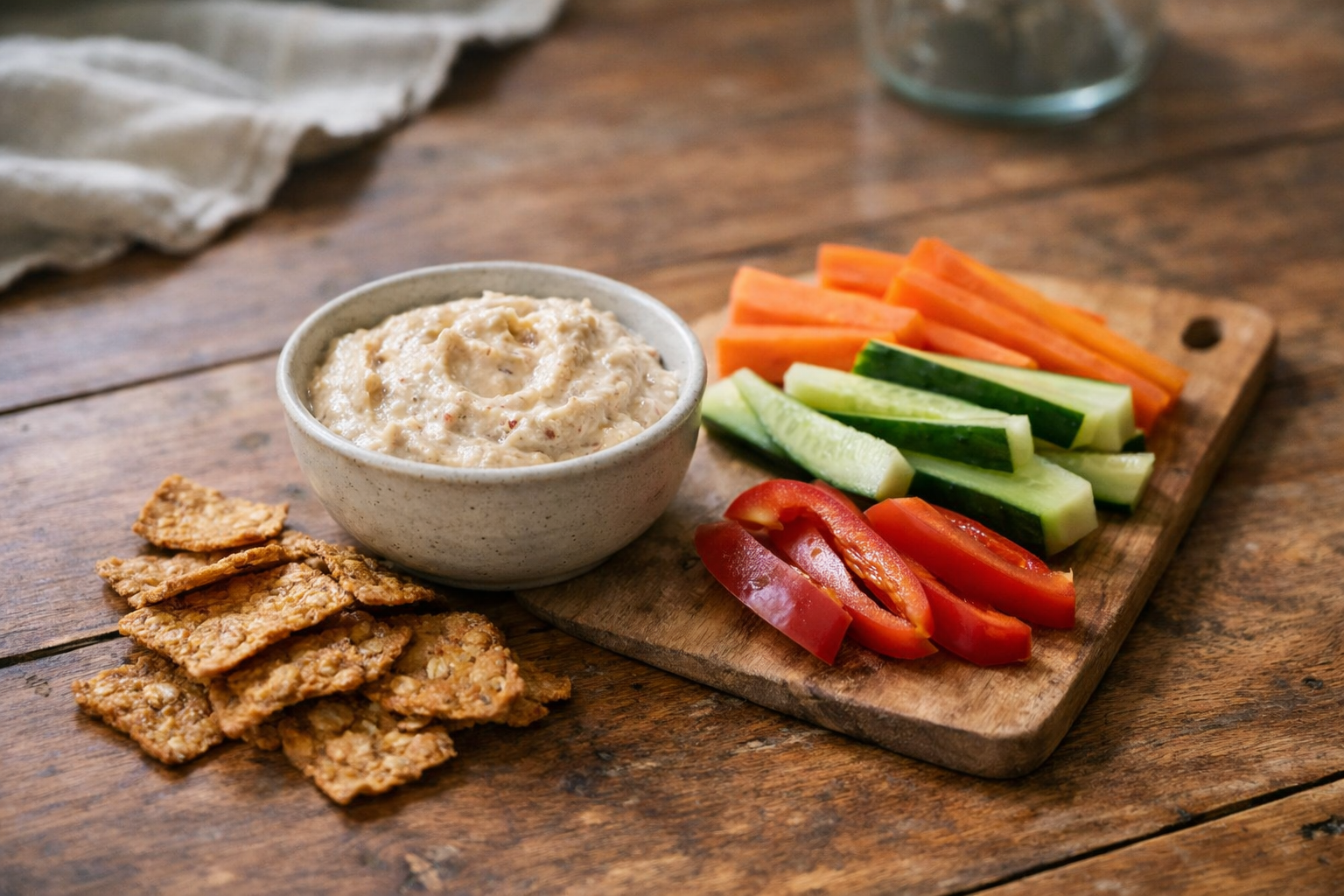
A protein snack works best with a dip that adds 10–25 grams of protein per serving, balances fat and carbs, and keeps ingredients simple. We have learned this firsthand from years of making tempeh, cooking at home, and testing what actually keeps us full between meals. Protein dips are not just about taste.
They shape energy, digestion, and satisfaction. In this guide, we break down what kind of dip for a protein snack truly works, based on real kitchen experience and nutrition principles, so you can snack smarter and enjoy it more.
Key Takeaway
- A good protein snack dip starts with a high-protein base like yogurt, beans, tofu, or tempeh.
- Pairing the right dip with the right snack improves satiety, flavor balance, and digestion.
- Fermented and plant-based dips work especially well with tempeh chips and other protein-forward snacks.
What makes a dip suitable for a high-protein snack?
A protein snack dip uses a high-protein base, minimal added sugars, and balanced fats to support satiety and steady energy without excess calories.
SoyaMaya Tempeh Protein Chips — 100% plant-based, high protein, no artificial additives. Ships to your door.
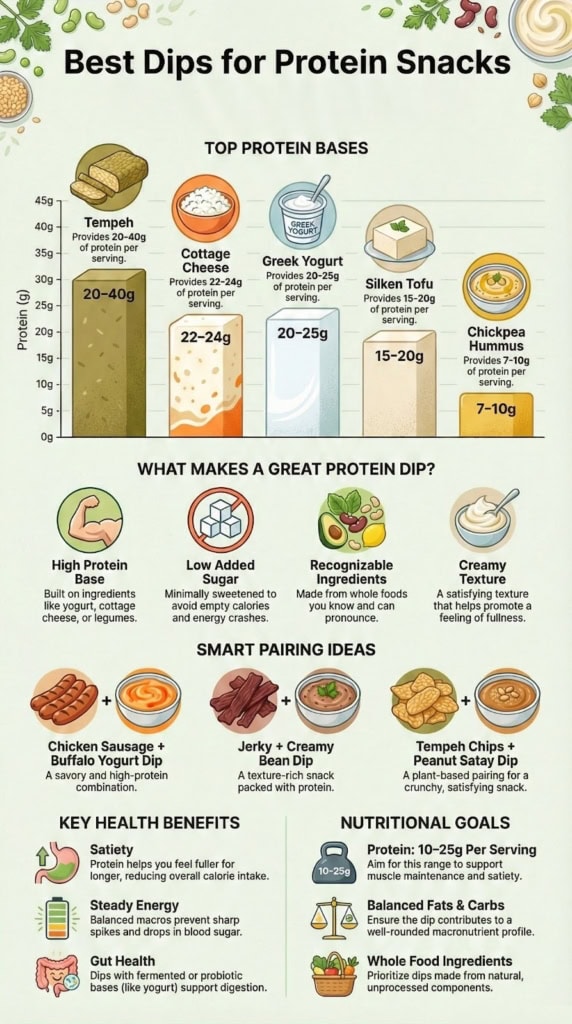
Get Your Chips →We look at three things when deciding if a dip belongs next to a protein snack. Protein density matters first. Most effective protein snack dips deliver 10–25 grams of protein per serving, according to data commonly cited by Harvard Health Publishing. That protein needs to come from whole foods, not powders alone [1].
Ingredients come next. We avoid long lists and refined carbs. Dips built from Greek yogurt, beans, tofu, or fermented soy tend to digest better and feel more satisfying. From our experience, simple seasoning works better than heavy sweeteners.
Finally, texture matters. A protein snack like jerky or tempeh chips needs moisture and contrast. Creamy dips slow eating and improve fullness.
Here is how we usually evaluate a dip before it becomes a regular:
- Protein per serving relative to calories
- Low added sugar and refined starch
- Ingredients we recognize and use at home
When these boxes are checked, the dip supports the snack instead of turning it into empty calories.
Which dairy-based dips add the most protein?
Staring at plain chicken and celery, we needed a snack that felt like a reward, not a chore. The answer was in the fridge: strained dairy dips. They pack the most protein because removing the whey leaves the good stuff behind, all while staying perfectly creamy.
Two bases work best for us. Here’s what we keep on hand:
- Greek Yogurt: Tangy and thick. Perfect for a zesty ranch or a spicy buffalo dip.
- Cottage Cheese: Blends smooth into a rich, neutral base. Makes a killer “cheesy” herb or onion dip.
Our quick comparison
| Base | Protein per cup | Best Use |
| Greek Yogurt | 20–25 g | Tangy, probiotic-forward dips |
| Cottage Cheese | 22–24 g | Rich, blended savory dips |
They’re not just for veggies. The real win is pairing them with salty proteins like chicken sausage or jerky, the cool creaminess cuts right through.
They’re one simple, reliable tool in our kitchen. No fuss, just good food that actually fills you up.
Which plant-based dips work for vegan protein snacks?
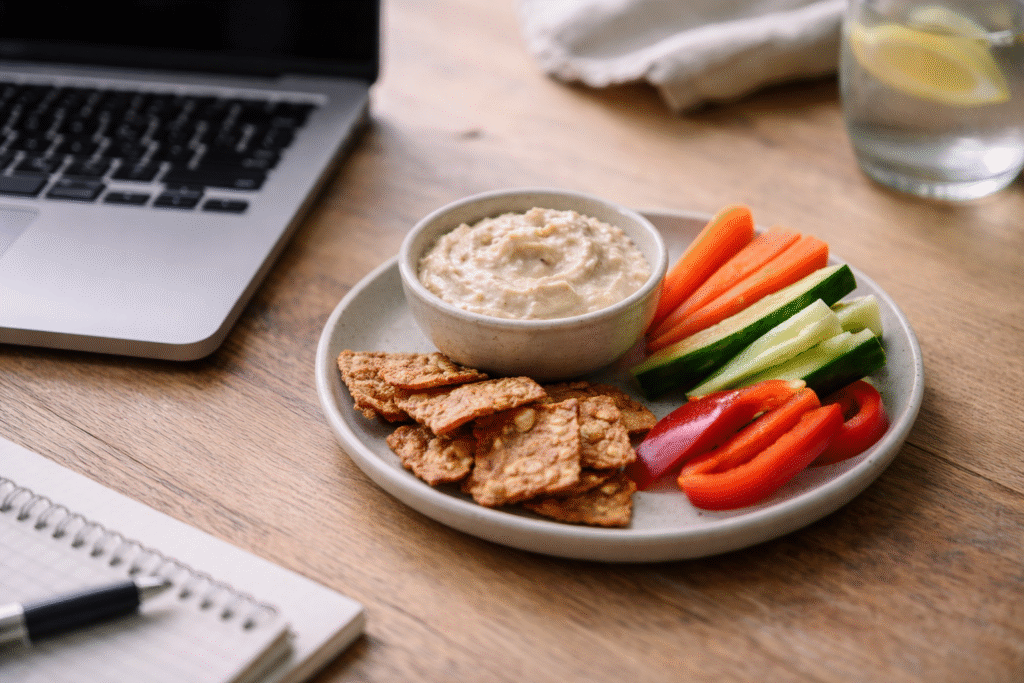
We got tired of vegan snacks that left us hungry. The solution was building better dips from plants, ones with enough protein and fiber to actually satisfy you. Legume and soy bases are where we found it. They’re not just protein; the fiber is what makes the difference, keeping you full.
Here’s what we make on repeat:
- Chickpea & Bean Dips: More than just hummus. We blend in white beans or edamame for extra creaminess and protein.
- Silken Tofo Dips: Blends into a rich, neutral base. Perfect for a savory caramelized onion or herby green goddess dip.
- Tempeh Dips: Crumbled and blended, it makes a deep, savory dip. Our favorite is a spicy buffalo version.
Pair them with something substantial, tempeh chips, veggie sticks, roasted soybeans. The combo works, especially when using tempeh protein chips that bring both structure and plant-based protein to the snack. They’re not just an alternative. They’re a solid, reliable way to make a vegan snack feel complete.
Which flavored dips pair best with different protein snacks?

The best dip balances the snack’s texture and saltiness with creaminess, acidity, or heat.
Pairing matters more than most people think. A dry protein snack needs moisture. A rich snack needs acid. We rely on this balance when building snack plates at home. Most protein dips keep 3–5 days refrigerated, which makes prepping easier, especially with edamame and tempeh snacks.
Here are combinations we return to often:
- Chicken sausage with yogurt buffalo dip or ranch cottage cheese for cooling richness
- Jerky with creamy bean dip or garlic hummus dip to soften texture
Tempeh chips with peanut satay dip or green goddess tofu for spicy, herbal contrast, a balance we rely on when pairing dips with tempeh chips so neither the dip nor the chip overpowers the other.
When we use SoyaMaya Protein Tempeh Chips, we lean into fermented soy flavors. Sambal protein dip, miso tempeh dip, or lemon tahini dip all enhance the natural nuttiness without overpowering it.
The goal is not complexity. It is balance. When the dip and snack support each other, portions naturally stay reasonable.
Do high-protein dips support satiety and energy?
You know that mid-afternoon crash, where you’re hungry again an hour after a snack? We’ve been there. That’s why we built our snack routine around high-protein dips. They’re not a magic fix, but they work. Pairing them with something solid, like veggie sticks or a few whole-grain crackers, creates a snack that actually lasts.
The science backs up the feeling. Experts point out that combining protein with fiber helps smooth out energy levels and keeps you full. It makes sense when you think about it; you’re giving your body something substantial to digest slowly, not a quick sugar hit that fades fast.
We feel the difference on long workdays. A small bowl of our tempeh dip with some baked chips keeps us going far longer than a sweet granola bar ever did, even more so when those snacks include serving tempeh chips with salsa for added moisture, acidity, and flavor contrast. It’s not just the protein, either. We often stir in ingredients we already value:
- Garlic and turmeric, for their anti-inflammatory properties.
- Fresh herbs, for a bright flavor that doesn’t weigh you down.
- Fermented bases like tempeh, which support gut health.
Are tofu and tempeh dips higher in protein than hummus?
Credits: Fashion with food
If you’re hungry an hour after a snack, the protein source matters. We’ve tested this over and over in our own kitchen, and the result is clear: soy-based dips, especially from tempeh, deliver more staying power than traditional hummus.
The numbers tell one story. But the real test is how you feel after eating it. A tempeh dip keeps you full. Hummus, while delicious, often doesn’t.
Here’s what we’ve found works best when we need something substantial:
- Tempeh Dip: This is our go-to for maximum protein. It’s thick, almost meaty, with a deep, fermented flavor that stands up to bold spices.
- Silken Tofu Dip: Incredibly smooth and versatile. It creates a rich, neutral canvas perfect for blending with herbs, roasted garlic, or caramelized onion.
- Chickpea Hummus: A classic for a reason. It’s reliable and light, perfect for when you just want a simple, flavorful bite.
For us, the choice is intuitive. We use our own Fresh Frozen Tempeh daily, so turning it into a powerful dip is the most logical step. It’s not a substitute for anything; it’s the main event, creating a snack that genuinely satisfies [2].
FAQ
What kind of dip works best for a protein snack?
A good protein snack dip should deliver real protein while staying satisfying and flavorful. Options like greek yogurt dip, cottage cheese dip, or other healthy protein dips provide protein for muscle repair and satiety. These protein snack dips also support gut health when made with probiotic yogurt and pair well with veggies, protein chips, or other balanced snacks.
Which high protein dip recipes are best for plant based snacks?
Plant based protein dip options include hummus protein boost styles such as chickpea hummus protein, edamame dip, or edamame hummus. Silken tofu dip, green goddess tofu, and tofu dip vegan recipes offer creamy texture without dairy. Tempeh dip ideas made as fermented soy dip add nutty flavor, fiber rich dips, and umami protein dip benefits.
What dips work best for low carb or keto protein snacks?
Low carb protein dip choices focus on fat and protein without added sugars. Keto sausage dip, chicken sausage dip, and sausage cheese dip are filling options. Buffalo chicken dip or slow cooker buffalo dip also works well. Ranch protein dip, ranch cottage cheese, or spicy buffalo yogurt provide creamy texture while supporting satiety protein dips for low carb snacking.
Are there high protein dips that support gut health and inflammation?
Some high protein dips support digestion and inflammation control. Probiotic yogurt dip, kefir ranch dip, and skyr yogurt dip help gut health dips by adding beneficial cultures. Anti inflammatory dips often include turmeric golden dip, ginger garlic dip, or lemon tahini dip. These functional medicine dips combine protein, fiber, and fermented ingredients to support recovery and steady energy.
What protein snack dips pair well with veggies, chips, or jerky?
For flexible snack dip pairings, creamy bean dip, white bean dip, and lentil dip protein work well with veggie stick dips. Tempeh chip dips pair nicely with nutty tempeh dip, miso tempeh dip, or buffalo tempeh dip. Jerky dip ideas include spicy peanut dip, chili lime dip, or wasabi soy dip for bold flavor and balanced protein.
Why the right dip matters for protein snacks and our approach at SoyaMaya
The right dip turns a snack into real fuel. It’s about protein density, clean ingredients, and smart pairings that keep you full and focused.
Our approach is simple: we build from what we know. At SoyaMaya, we make our snacks around fermented soy. Our tempeh dips and chips deliver plant-based protein, gut-friendly culture, and honest flavor, no overthinking required.
It’s the snack we make for ourselves. See what we keep in our kitchen.
References
- https://health.yahoo.com/wellness/nutrition/healthy-eating/articles/tofu-vs-tempeh-plant-based-130100562.html
- https://www.health.harvard.edu/nutrition/high-protein-snacks-to-build-muscle-and-keep-hunger-at-bay
Related Articles
- https://mayasaritempeh.com/tempeh-protein-chips/
- https://mayasaritempeh.com/pairing-dips-with-tempeh-chips/
- https://mayasaritempeh.com/can-you-serve-tempeh-chips-with-salsa/
SoyaMaya Tempeh Protein Chips
High-protein, plant-based, made from real tempeh. No artificial flavors. Crunchy and satisfying every time.
