
The rich, golden color and satisfying crunch of chips come down to one crucial element – the oil they’re fried in. High oleic oil stands out as the premier choice for chip makers, delivering that perfect crispy texture without leaving any heavy, greasy feel. When chips hit hot high oleic oil, they develop an even, delicate crispness that stays fresh longer on the shelf. The oil’s natural stability also means chips maintain their flavor without going rancid. Want to understand why major snack producers and small batch makers alike swear by this specialized oil? Let’s explore the science and practical benefits behind this choice.
Key Takeaway
- High oleic oil has a higher smoke point, so it stays stable during high-heat frying.
- It supports heart health better than many traditional oils.
- Chips fried in this oil stay fresh and tasty longer.
The Problem with Standard Oils in Chip Production

Standard cooking oils can create real challenges for chip makers. Oils such as palm or regular soybean oil break down quickly when heated, leaving chips with a heavy, greasy texture and a short shelf life. The molecular structure of these oils simply can’t handle the high temperatures required for consistent frying. [1]
For most standard oils:
SoyaMaya Tempeh Protein Chips — 100% plant-based, high protein, no artificial additives. Ships to your door.
Get Your Chips →- Smoke points hover around 350–400°F (177–204°C), which limits their performance in industrial frying.
- Storage life typically lasts only 3–6 months before the oil begins to degrade.
- Cost ranges from $0.50–$2 per pound, depending on market conditions.
When these oils are used, chips often end up with an oily coating that goes rancid or stale quickly. In contrast, chips fried in more stable oils retain their crispness and clean flavor for much longer.
More stable alternatives include:
- High oleic sunflower oil (smoke point: 450°F / 232°C)
- Refined peanut oil (smoke point: 450°F / 232°C)
- Rice bran oil (smoke point: 450°F / 232°C)
While these options may cost more upfront ($3–$5 per pound), they produce better-tasting chips and extend shelf life, qualities also seen in baked tempeh chips, which rely on stable oils for their crisp, clean finish.
What is High Oleic Oil?
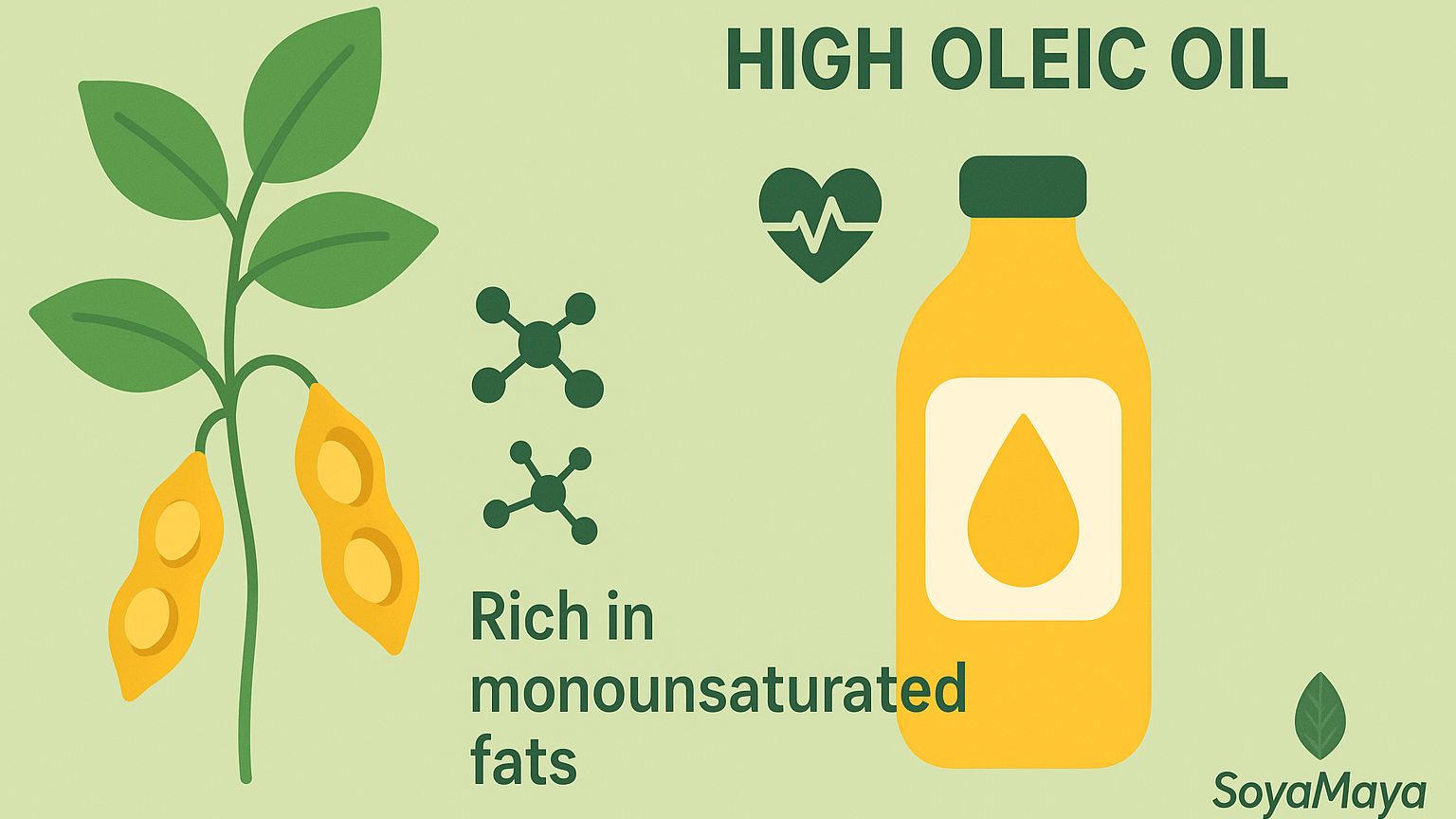
Take a peek inside any commercial kitchen’s stockroom, and you’ll likely spot large containers of high oleic oil. These specialty oils, derived from carefully selected sunflower or high oleic soybeans, pack an impressive amount of oleic acid, a naturally occurring fat that doesn’t break down easily when heated. Unlike regular vegetable oils that start smoking at lower temperatures, high oleic oils keep their cool under intense heat. [2]
Benefits
- Maintains stability even at scorching temperatures up to 450°F (232°C), perfect for those crispy french fries
- Extended shelf life stretching to 24 months when stored properly unopened, saving money on replacements
- Clean, subtle taste that lets your ingredients shine through without competing flavors
- Foods absorb less oil during frying, resulting in lighter, less greasy dishes
- Contains absolutely no trans fats, aligning with current health guidelines
- Resistant to oxidation, which means less frequent oil changes in commercial fryers
Considerations
- Expect to pay about 15-20% more compared to standard cooking oils
- May require special ordering or trips to restaurant supply stores, as it’s not commonly found in regular supermarkets
- Missing the distinctive flavors that some traditional oils bring to dishes
- Storage requirements remain similar to conventional oils – keep in a cool, dark place
High oleic oil shines in demanding kitchen applications where heat control matters most. From creating the perfect golden crust on pan-seared salmon to ensuring consistent results in large-scale baking operations, this oil handles it all. Restaurant kitchens particularly value its resilience during busy service hours, when maintaining steady cooking temperatures becomes crucial. Home cooks might find it especially useful for weekend deep-frying projects or when preparing dishes that require prolonged exposure to high heat.
The science behind high oleic oil’s stability lies in its molecular structure – those extra bonds in oleic acid molecules create a natural resistance to breaking down under heat stress. This translates to fewer harmful compounds forming during cooking, making it a practical choice for both commercial and home kitchens focused on quality and consistency.
Enhanced Stability and Heat Tolerance
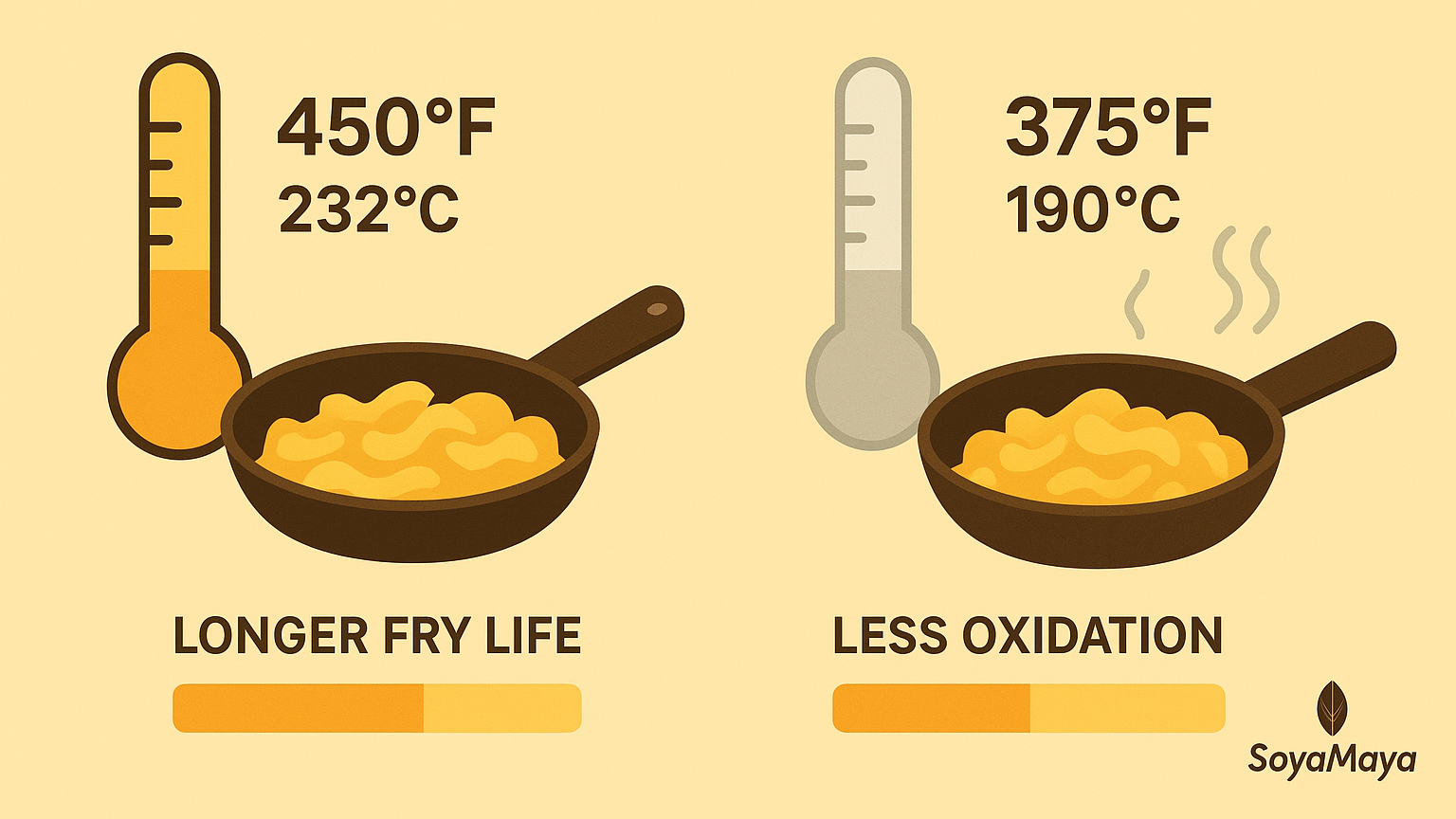
Most cooking oils begin to degrade around 350°F (177°C), affecting flavor and quality. High oleic oils remain stable up to about 450°F (232°C), making them ideal for deep frying, sautéing, and high-heat stir-frying.
In long-duration frying tests, high oleic oils maintained clarity and aroma far better than standard vegetable oils. The key lies in their molecular composition, the benefits of high oleic soybeans come from their high monounsaturated fat content, which means less reaction to heat and oxygen, leading to:
- Crispier, less greasy food
- Minimal oil absorption
- No rancid odor, even after extended use
- Fewer oil changes required
For regular fryers, this translates into real savings in both oil use and time.
Longer Fry Life and Cost-Effectiveness
Credits : Thomas DeLauer
High oleic oils can handle about 30% more frying cycles than standard vegetable oils. In commercial kitchens, this extended life means less frequent oil changes, often every 10–14 days instead of weekly.
Practical Benefits
- Lower monthly oil expenses
- Reduced labor and disposal costs
- Less waste generation
- Longer operational consistency
Typical Characteristics
- Neutral flavor profile
- Heat stability up to 450°F (232°C)
- Average cost: $45–55 per 35lb container
- Shelf life: 12–18 months unopened
Considerations
- Higher initial cost than regular oils
- Requires proper storage and temperature monitoring
- May not be readily available in all regions
Overall, the extended fry life often makes high oleic oils cost-effective in the long term for high-volume food operations.
Health Benefits of High Oleic Oil
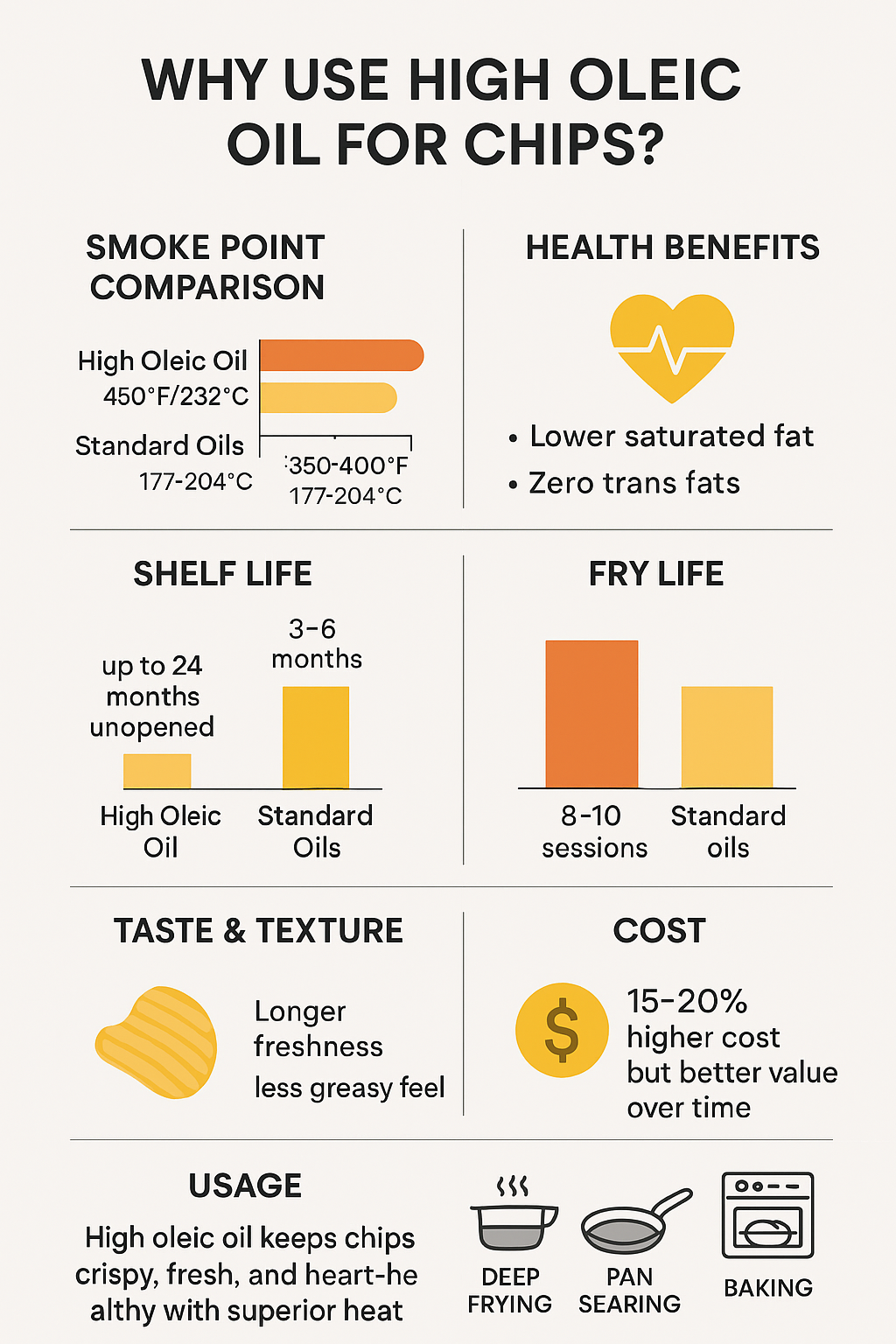
From a nutritional standpoint, high oleic oils are rich in monounsaturated fats, known to support heart health. They help maintain good cholesterol (HDL) while reducing bad cholesterol (LDL), a benefit supported by numerous studies on high oleic soybean and sunflower oils.
Compared with regular cooking oils, they contain:
- Lower saturated fat (around 7%, versus 15% in standard oils)
- Zero trans fats
- Higher smoke point (450°F / 232°C)
- Longer shelf life (up to 2 years)
Cooking tests show that high oleic oils generate fewer harmful oxidation byproducts, even after hours of frying. When choosing one, look for:
- Clear, light golden color
- Neutral smell
- “High Oleic” label
- Cold-pressed or expeller-pressed method
- Stored in dark, airtight packaging
Avoid oils that appear cloudy, smell rancid, or come in clear plastic bottles, as they’re more prone to oxidation.
Extended Shelf Life and Flavor Preservation
Another notable benefit is oxidation resistance. Chips fried in high oleic oil maintain their flavor and crispness longer because the oil doesn’t oxidize easily. That means:
- Reduced rancidity and stale flavors
- Cleaner taste over time
- Longer shelf life for packaged snacks
These qualities make high oleic oil ideal for both home and commercial food preparation where freshness matters.
Versatility and Industry Preference
High oleic oils can be sourced from various plants, soybean, sunflower, and canola, offering flexibility based on local availability and sustainability goals. Many food producers prefer them for their balance of performance, health profile, and shelf stability.
Their use supports consistent product quality, less waste, and in some cases, more sustainable farming practices.
FAQ
1. What makes high oleic oil better for frying compared to regular vegetable oils?
High oleic oil’s high monounsaturated fat content gives it superior heat stability and a longer fry life. It maintains a neutral flavor, producing crispier chips without the greasy residue common with standard oils.
2. How does oleic acid help improve shelf life and food quality?
Oleic acid resists oxidation, allowing foods to stay fresher longer. It slows the breakdown process that causes rancidity, preserving both taste and texture.
3. Are high oleic oils healthier than olive oil or canola oil?
They share similar health benefits, high in monounsaturated fats and low in saturated fats, but are more heat-stable than most olive oils, making them better suited for high-temperature cooking.
4. What affects the smoke point and fry life of different cooking oils?
The smoke point depends on an oil’s fatty acid composition and refining process. Oils high in oleic acid, like high oleic sunflower or canola oil, can withstand higher temperatures than standard vegetable or extra virgin olive oils.
Conclusion
Picking the right oil isn’t just about cooking, it’s about care and quality. High oleic oil’s stability, health benefits, and clean taste make it the smart choice for chips that stay crisp and delicious. At SoyaMaya, we use high oleic soybeans in our Protein Tempeh Chips to stay true to our promise of wholesome, sustainable food.
Taste the difference, shop now at SoyaMaya Shop.
References
- https://www.centrafoods.com/blog/why-choose-high-oleic-instead-of-regular-oil
- https://www.globalsavors.com/blog/edible-oil/sunflower-oil/high-oleic-sunflower-oil-in-chips-vs-sunflower-oil
Related Articles
- https://mayasaritempeh.com/what-are-baked-tempeh-chips-like/
- https://mayasaritempeh.com/what-are-high-oleic-soybeans/
- https://mayasaritempeh.com/benefits-of-high-oleic-soybeans/
SoyaMaya Tempeh Protein Chips
High-protein, plant-based, made from real tempeh. No artificial flavors. Crunchy and satisfying every time.
