
When it comes to high oleic soybeans, the answer is pretty clear: they mostly come from the United States, especially from the Midwest and Mid-Atlantic regions.
We’ve spent years working closely with local farmers in Ohio, Indiana, Maryland, and Delaware, where these soybeans thrive.
Growing them here isn’t just about geography though , it’s about careful breeding, sustainable practices, and identity-preserved systems that keep these special beans separate from regular soybeans.
Soya Maya Fresh Tempeh is made the traditional way — no preservatives, no shortcuts. Delivered to your door.
Order Fresh Tempeh →If you’re curious about how these soybeans came to be, why they’re so sought after, and how we at SoyaMaya incorporate them into our products, keep reading. You’ll get a grounded sense of the story behind these beans and their growing impact.
Key Takeaway
- High oleic soybeans are mainly grown in the US Midwest and Mid-Atlantic, in about 16 states.
- These soybeans come from both GMO and non-GMO breeding programs, focusing on heart-healthy oil.
- Identity preservation and sustainable farming ensure quality and support local farmers.
Origins Rooted in American Soil
High oleic soybeans didn’t just pop up overnight.
The journey started with soybean cultivation becoming a major agricultural force in the US during the mid-20th century, but to understand their rise, it helps to first know what high oleic soybeans are and why they’ve become so important to modern farming and food production.
The soybean belt,stretching across states like Ohio and Indiana,became a natural home for these crops. This region’s soil and climate conditions suit soybeans well, but what makes high oleic varieties special is the breeding work done to enhance their oil quality.
We know this firsthand because our own tempeh production depends on sourcing premium, non-GMO high oleic soybeans grown in these areas.
The high oleic trait means the oil inside the bean is richer in monounsaturated fats, which improves stability and makes it healthier compared to traditional soybean oil or partially hydrogenated oils that once dominated the market.
In Ohio and Indiana, farmers have adopted identity preserved systems, which simply means the high oleic beans are kept separate from the regular commodity soybeans. This separation is crucial for maintaining quality and meeting market demands for specialty products.
- Midwest and Mid-Atlantic states are top producers.
- Sustainable practices align with local agriculture values.
- Preservation systems protect bean identity and quality.
Breeding History and Innovation
High oleic soybeans are the product of decades of breeding programs. At first, the focus was on improving yields, pest resistance, and adaptability.
Later, the emphasis shifted to oil quality , especially after health concerns about trans fats became widely recognized. The FDA banned partially hydrogenated oils by 2018, which accelerated demand for stable, heart-healthy alternatives.
Some soybeans were genetically modified to have high oleic acid content, introduced commercially around 2012. But there’s also a strong non-GMO side to this story. For example, the SOYLEIC soybeans developed in Missouri are non-GMO, created through natural mutation and selective breeding rather than genetic modification.
This dual approach means farmers and food producers can choose varieties that fit their goals and consumer preferences. We at SoyaMaya prefer non-GMO, organic soybeans grown locally , it aligns with our commitment to quality and sustainability.
In the bigger picture, these breeding programs reflect how soybean cultivation has evolved to meet modern health trends without sacrificing agronomic performance.
Where Are These Soybeans Grown?
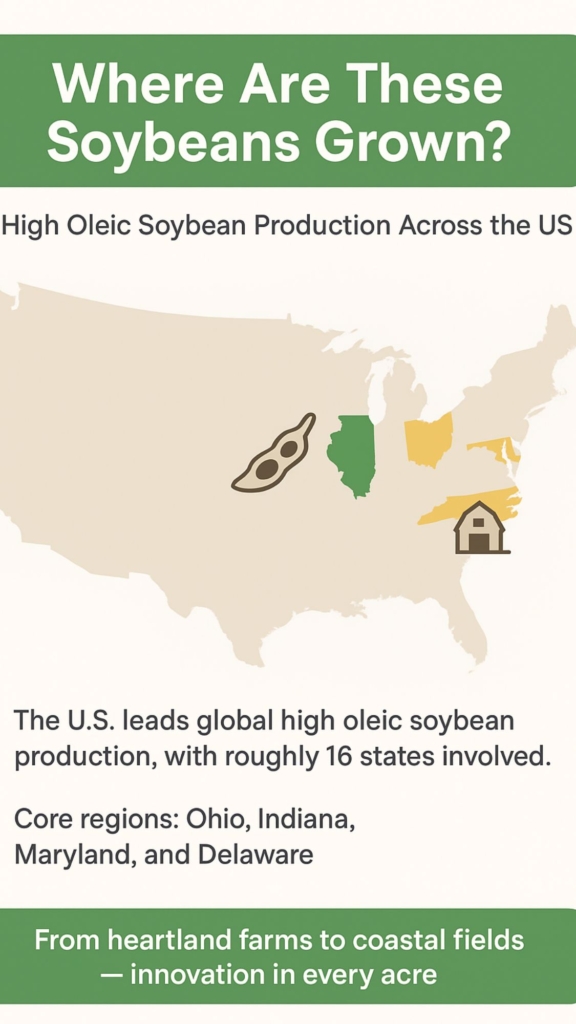
The US is the dominant player in high oleic soybean production, with roughly 16 states involved. The core regions include:
- Ohio and Indiana in the Midwest
- Maryland and Delaware in the Mid-Atlantic
These areas not only have the right climate and soil but also well-established infrastructure for soybean farming and processing. Farmers here benefit from crop premiums offered for identity-preserved high oleic soybeans. That means they get additional payment for growing a specialty crop that demands higher standards.
Beyond the Midwest and Mid-Atlantic, efforts are underway to expand cultivation in the Midsouth and other regions as demand for high oleic soybean oil grows both domestically and internationally.
Why High Oleic Soybeans Matter to Us
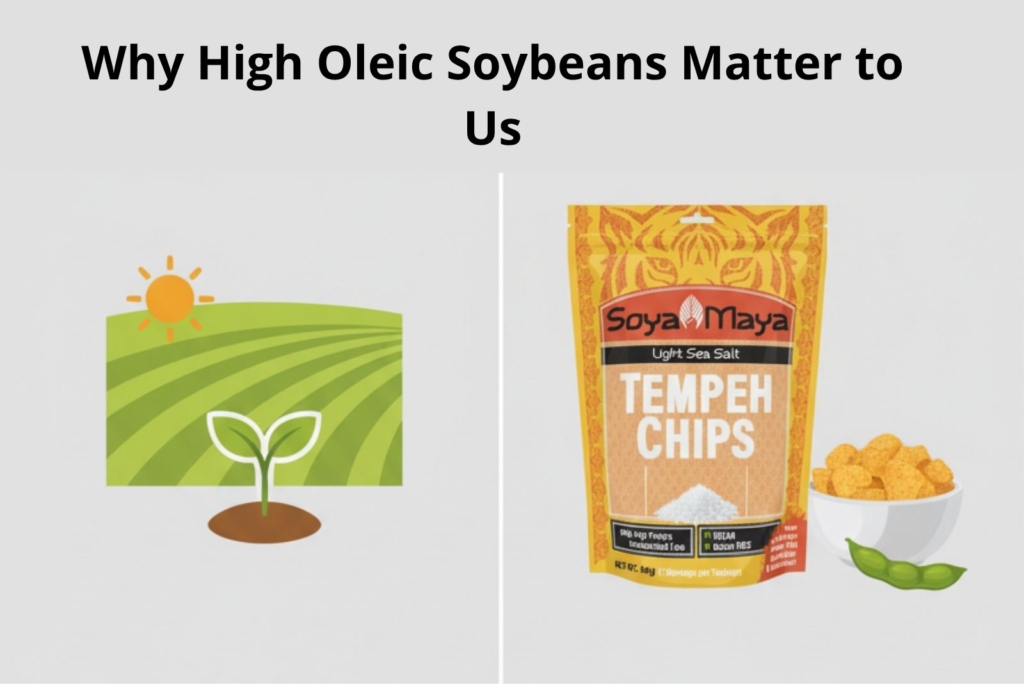
At SoyaMaya, we’ve seen the difference high oleic soybeans make in our products. Our Fresh Frozen Tempeh and Protein Tempeh Chips are crafted with a unique blend of high-protein and high oleic soybeans. This combination gives our tempeh a richer, nuttier flavor and better shelf stability, all while improving the nutritional profile.
High oleic soybean oil also performs better for cooking, especially in high-heat frying, thanks to its oxidative stability.
Beyond that, it offers several benefits of high oleic soybeans including improved heart health, longer shelf life, and better sustainability,qualities we value deeply at SoyaMaya.
Beyond the kitchen, these soybeans support sustainable farming. Because they’re grown under identity-preserved systems, farmers maintain careful records and use crop rotations that help soil health.
Plus, the premiums help keep local farms viable, which is important to us as a brand rooted in community and sustainability.
What Sets US High Oleic Soybean Farming Apart?
You might wonder what makes farming these soybeans in the US different. Here’s what we’ve learned working alongside growers:
- Identity preservation: Keeping high oleic soybeans separate ensures purity and quality.
- Sustainable agronomic practices: Crop rotation, pest management, and soil care are key.
- Local sourcing: We partner directly with farms in Indiana and surrounding states.
- Technology integration: Modern seed genetics and planting trends improve yields and crop resilience.
- Market incentives: Crop premiums encourage farmers to invest in specialty soybean varieties.
These factors combine to create a reliable supply chain that benefits farmers, processors, and consumers alike.
Industrial and Nutritional Uses
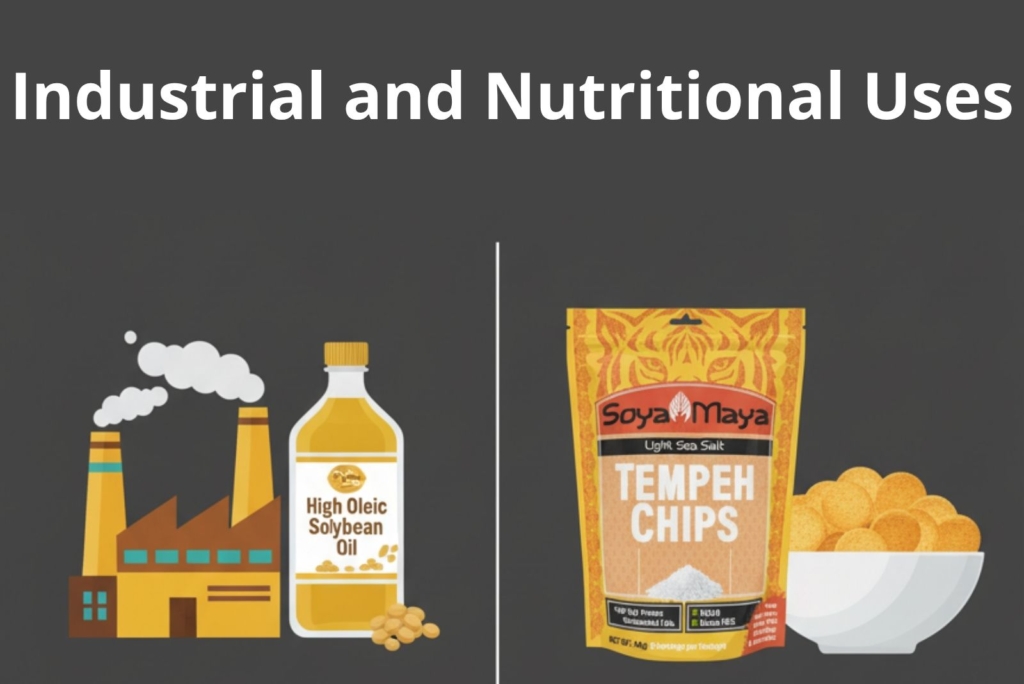
High oleic soybean oil isn’t just for food. Its stability makes it useful in various industrial applications, including bio-based products and animal feed.
The oil’s monounsaturated fat profile is also better for heart health, which is why food companies seek it for frying oils and processed foods (1).
Meanwhile, the soybean meal left after oil extraction serves as high-quality animal feed, supporting livestock nutrition. This full use of the soybean crop underscores its value.
In addition to its role in tempeh and cooking, we’ve also seen how high oleic soybean oil affects chip flavor, preserving crispness and freshness during frying, which makes it a favorite for snack production as well.
Our Experience with High Oleic Soybeans
Source: American Soybean Association
We started working with high oleic soybeans because they fit our mission to deliver wholesome, nutritious food.
When we began making tempeh with organic Indiana soybeans, we noticed how the high oleic varieties improved flavor and shelf life compared to conventional beans (2).
Our Protein Tempeh Chips, made partly from high oleic beans, offer a delicious snack that’s plant-based and packed with vitamin B12 , something rare in vegan foods. This ingredient choice reflects our commitment to quality and health without compromising taste.
Having a direct connection to the farms means we can ensure transparency and traceability in every batch. It’s a relationship we value deeply, since it ties back to supporting local agriculture and sustainable practices.
FAQs
What makes high oleic soybeans different from regular soybeans?
High oleic soybeans have a higher concentration of oleic acid, a monounsaturated fat, compared to regular soybeans. This trait results from selective breeding or genetic modification.
The oil extracted is more stable, resists oxidation, and has a longer shelf life. This makes it ideal for cooking at high temperatures and for use in processed foods. The improved oil profile also offers heart-health benefits, distinguishing it from traditional soybean oil.
Are high oleic soybeans mostly GMO or non-GMO?
Both GMO and non-GMO high oleic soybean varieties exist. Genetically modified versions were introduced commercially around 2012 to quickly enhance oil quality. Non-GMO variants, like those developed through natural mutation and traditional breeding methods, also play a significant role.
These non-GMO beans appeal to consumers seeking organic or non-GMO products. At SoyaMaya, we focus on non-GMO, organic high oleic soybeans for our tempeh, which aligns with our values and customer preferences.
Which US states produce the most high oleic soybeans?
The primary production of high oleic soybeans happens in about 16 states, with the Midwest and Mid-Atlantic regions leading. Ohio, Indiana, Maryland, and Delaware stand out as the top producers due to ideal climate and soil conditions.
These states also have infrastructure supporting identity-preserved systems, ensuring these specialty beans don’t mix with commodity soybeans. Expansion is ongoing in other areas like the Midsouth, driven by growing demand for high oleic oils.
What is identity preservation in soybean farming?
Identity preservation is a system that keeps high oleic soybeans separate from traditional soybeans during harvesting, storage, and processing. This process ensures the oil’s unique qualities remain intact and meet market demands for specialty products. It involves traceability measures and careful handling from farm to factory.
This system benefits farmers by enabling crop premiums and assures consumers of the soybean’s quality and origin, which is crucial for products like those we make at SoyaMaya.
How do high oleic soybeans benefit cooking and food products?
High oleic soybean oil’s high oxidative stability makes it excellent for frying and cooking at high temperatures. It resists rancidity longer than traditional soybean oil, extending shelf life of prepared foods.
Its heart-healthy monounsaturated fat content also appeals to health-conscious consumers. Food manufacturers use it for snacks, baked goods, and frying oils. For home cooks, it means better taste and nutrition in everyday meals, which is why we incorporate these soybeans in our tempeh products.
Are there environmental benefits to growing high oleic soybeans?
Yes, growing high oleic soybeans can support sustainable agriculture. Farmers often use crop rotation and integrated pest management to maintain soil health and reduce chemical inputs.
Because these soybeans command premiums, farmers can afford to invest in more sustainable practices.
At SoyaMaya, we work with local farms committed to these methods, helping reduce environmental impact while supporting community livelihoods. Sustainable cultivation also means healthier soil and ecosystems over time.
What role does soybean breeding history play in high oleic soybean development?
Soybean breeding started with improving yield and adaptability, then shifted toward oil quality as health concerns grew. The focus on high oleic acid content represents a key innovation in the crop’s evolution. Breeders used both genetic modification and natural mutation to develop varieties suitable for different markets.
This history reflects decades of agricultural science aimed at producing soybeans that offer both agronomic benefits and improved nutritional profiles, which support brands like SoyaMaya in delivering quality products.
How does the US soybean oil market impact high oleic soybean cultivation?
The US soybean oil market’s demand for healthier, more stable oils drives high oleic soybean cultivation. With regulations banning trans fats, food companies seek alternatives like high oleic oil. This creates a strong market for specialty soybeans, encouraging farmers to grow them.
The market also rewards identity-preserved crops with premiums, motivating expansion. At SoyaMaya, this market dynamic ensures a steady supply of quality soybeans that meet consumer needs for both taste and nutrition.
What are the common industrial uses of high oleic soybean oil?
Beyond food, high oleic soybean oil is used in industrial products like bio-lubricants, cosmetics, and plastics because of its stability and renewable nature. Its resistance to oxidation makes it suitable for applications requiring longer shelf life and heat resistance. The soybean meal byproduct also serves as livestock feed, adding to its versatility.
This dual-purpose use of the crop adds value for farmers and processors alike, making high oleic soybeans an attractive crop in multiple sectors.
How do farmers benefit economically from planting high oleic soybeans?
Farmers growing high oleic soybeans often receive crop premiums thanks to identity preservation programs.
These premiums compensate for the extra care and segregation needed during harvest and storage. Additionally, demand for these specialty beans remains strong, improving market stability.
This economic incentive encourages farmers to adopt sustainable practices and invest in advanced seed genetics. At SoyaMaya, we appreciate how these benefits help maintain a local supply chain, supporting both farmers and consumers with high-quality soy products.
Final Thoughts on Where High Oleic Soybeans Come From
High oleic soybeans are a distinctly American success story, rooted in the fertile soils of the Midwest and Mid-Atlantic. These soybeans have been carefully bred and preserved to deliver oils that meet modern health and stability demands.
For us at SoyaMaya, sourcing these soybeans locally means supporting sustainable farming, enhancing the taste and nutrition of our tempeh products, and contributing to a better food system.
If you want to try products made from these specially grown beans, check out our Fresh Frozen Tempeh and Protein Tempeh Chips. We believe they’re a tasty way to enjoy the benefits of high oleic soybeans in your kitchen.
Explore our offerings here: SoyaMaya Shop and taste the difference that thoughtful soybean cultivation makes.
References
- https://medium.com/in-fitness-and-in-health/the-critical-role-of-monounsaturated-fats-for-longevity-and-disease-prevention-58b44392a3ce
- https://leisureguy.medium.com/foolproof-tempeh-lessons-from-experience-66e9083a3b18
Related Articles
- https://mayasaritempeh.com/what-are-high-oleic-soybeans/
- https://mayasaritempeh.com/benefits-of-high-oleic-soybeans/
- https://mayasaritempeh.com/how-does-it-affect-chip-flavor/
Soya Maya Fresh Tempeh
Traditionally fermented, no preservatives, shipped fresh and frozen to your door. The real deal, direct from us.
