
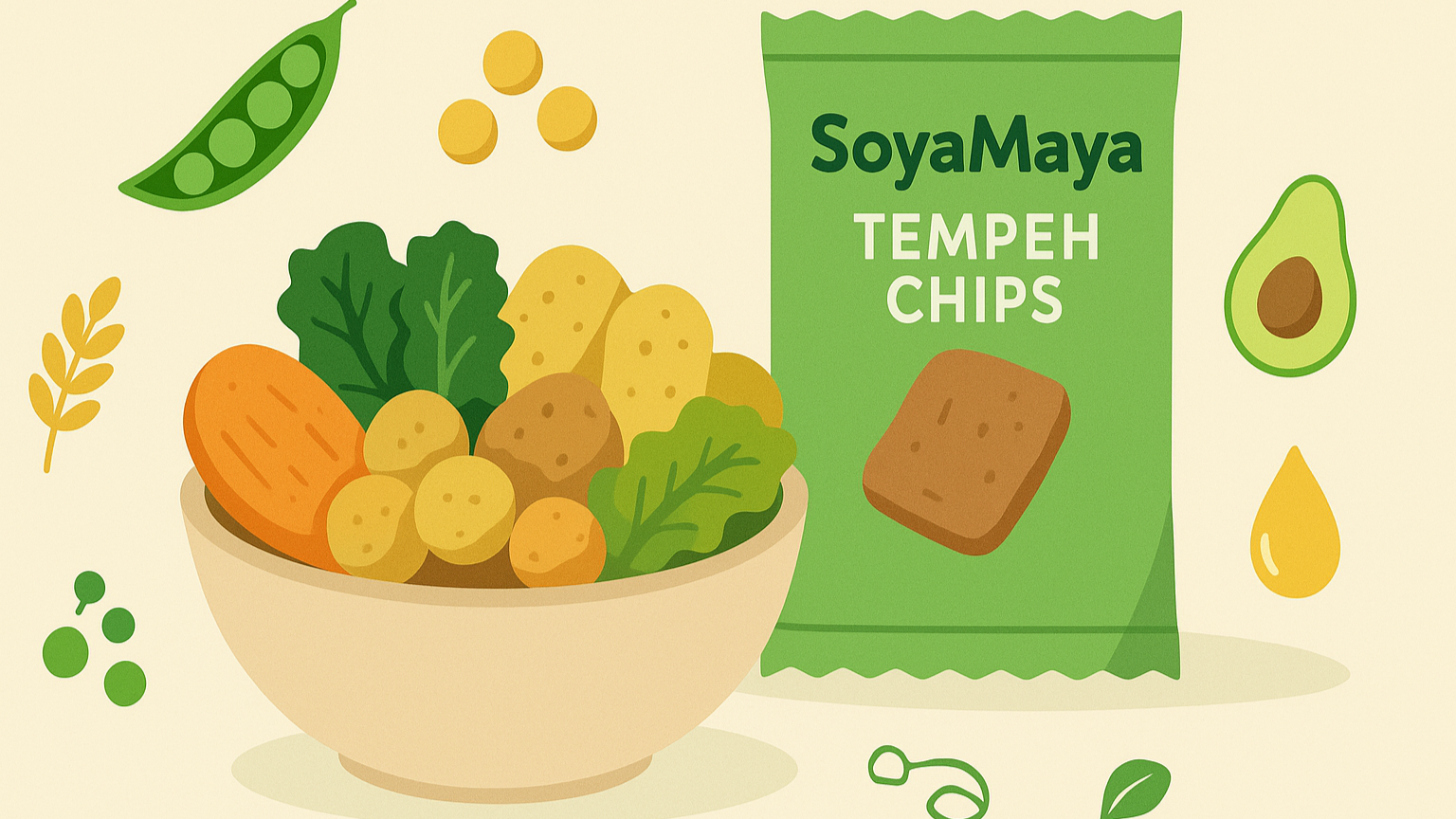
Plant-based chips are the kind of snack that lets you enjoy the crunch without feeling like you’re just eating air. They’re made from vegetables, legumes, and grains, so you get flavor, texture, and some real nutrition in every bite. Some are baked, some are lightly fried, some use simple seasonings, and small changes like that can really affect how they taste and how they fit your goals. This short guide breaks down what matters, ingredients, cooking methods, and labels, so you can choose smarter, not stricter. Keep reading to find your next go-to bag of chips.
Key Takeaways
- They’re made from whole food ingredients like vegetables, legumes, and grains.
- Look for baking or air-frying over deep-frying for a healthier crunch.
- The best options have simple ingredient lists you can actually recognize.
Defining Plant-Based Chips
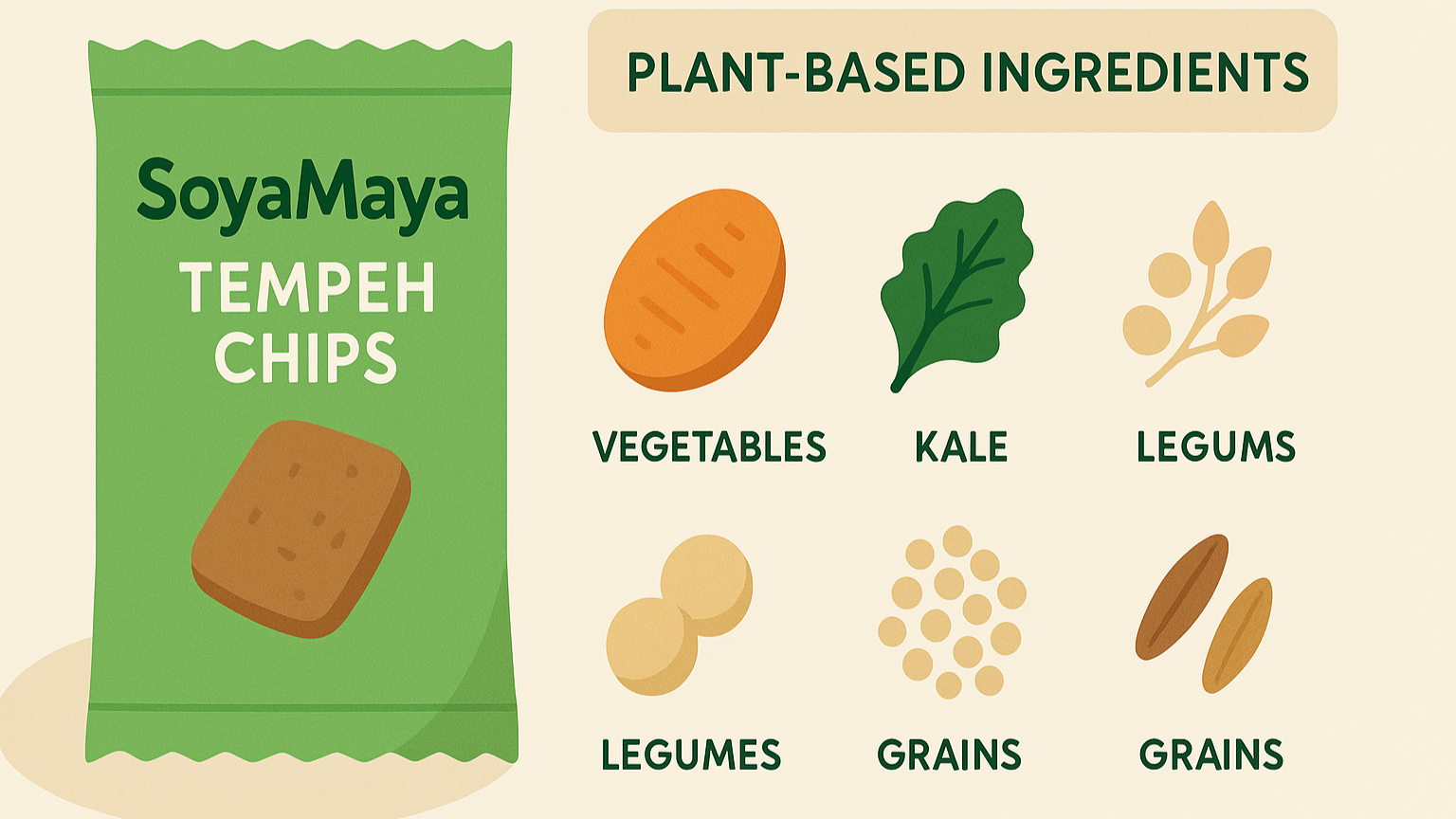
The first time you really look at a bag of plant-based chips, you notice something simple: you can actually recognize the ingredients. That’s kind of the whole point. At their core, plant-based chips are snacks made mainly from ingredients that grow out of the soil, vegetables, legumes, fruits, or grains, rather than ultra-processed starches or flours. You can think of them as a bridge between snacking and better eating habits, a way to enjoy a crunchy treat while still getting some fiber, vitamins, and even protein.
Starting from a more nutritious base
- For example, a study on chips made from sweet potatoes found that the fresh tuber’s content of β-carotene (a precursor for Vitamin A), originally ~ 24.2 mg per 100 g dry matter, dropped after cooking, but chips cooked in a convection oven still retained ~ 14.1 mg / 100 g DM. [1]
- The same research confirms that sweet potatoes are naturally a good source of fiber, minerals (like copper, manganese), antioxidants, and vitamins (A, C, E, B6) when raw.
- For other vegetable-based chips (e.g. from broccoli pulp), one lab test found chips containing ~ 2.41–3.05 g protein, 1.73–2.74 g fiber, and some vitamin C and measurable antioxidant activity per defined serving.
- In one experiment using sweet potato peels (a “waste” product), optimized chips achieved ~ 18.4 g fiber per 100 g, a high-fiber snack relative to many standard chips.
How they’re made matters just as much as what they’re made from. Many of the better plant-based chips are baked, air-fried, or even dehydrated instead of deep-fried. Those methods use less oil, which usually means fewer unhealthy fats and a lighter feel in your mouth (and your stomach). When you don’t drown the chip in oil, the natural flavor of the base ingredient, chickpeas, lentils, sweet potatoes, kale, or peas, has room to stand out. You actually taste the food, not just the frying.
Soya Maya Tempeh Protein Chips — 100% plant-based, high protein, no artificial additives. Ships to your door.
Get Your Chips →Another thing you’ll notice is the ingredient list. It tends to be short and easy to follow:
- A base ingredient (e.g., green peas, lentils, chickpeas, sweet potatoes, kale)
- A healthier oil like high-oleic sunflower, olive, or avocado oil
- Seasonings you recognize, like sea salt, nutritional yeast, black pepper, garlic, or herbs
That kind of simplicity is a big part of the appeal. You’re not trying to decode a chemistry textbook on the back of the bag. You know what you’re putting into your body, and you can decide if it matches your own goals, more protein, more fiber, fewer additives, or just a cleaner snack.
With SoyaMaya Protein Tempeh Chips, we followed this same philosophy very deliberately, drawing on the same fermented-soy approach that shapes many varieties of tempeh chips made from non-GMO soybeans. Our chips are crafted from a carefully chosen blend of non-GMO soybeans, fermented into tempeh, then turned into thin, crisp chips. This gives you a high-protein, plant-based crunch with real structure and bite, along with the natural benefits of fermentation, like improved digestibility and deeper flavor. It’s a snack, but it doesn’t feel empty.
The Different Types You’ll Find
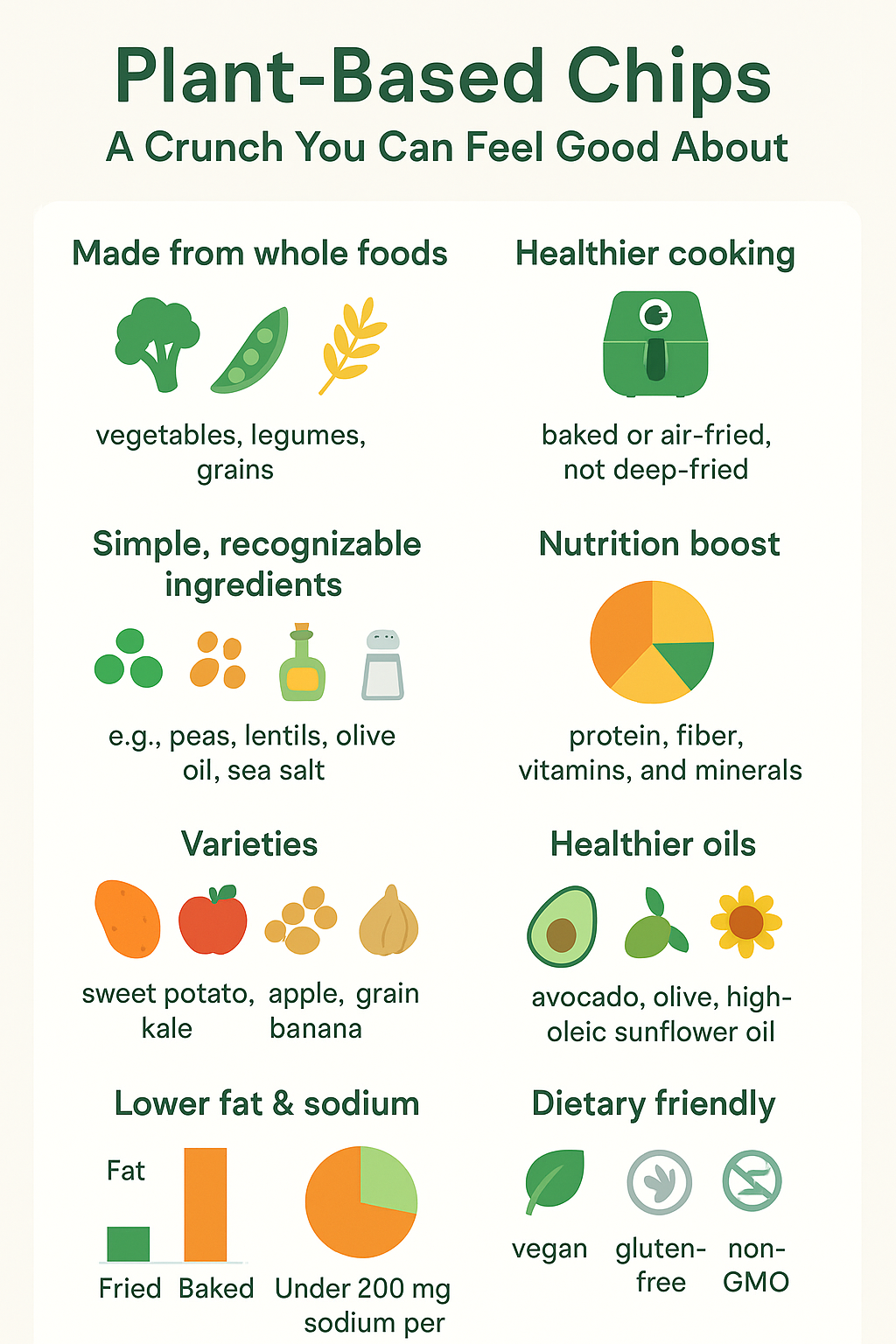
Once you start looking, you realize the plant-based chip aisle is more like a small ecosystem than a single product. There’s a lot of variety, and that’s good, because not every palate is the same. Some people want light and leafy, others want dense and crunchy, others want something that can handle a good dip.
You can basically find a chip made from almost any vegetable, legume, fruit, or grain you can think of. That means there’s usually at least one type that lines up with your own taste, texture preferences, and nutrition needs. It just takes a bit of curiosity and a willingness to try a few different bags.
Vegetable-Based Chips
These are usually the first kind people run into. Sweet potato chips are a favorite: they bring a gentle sweetness and an earthy flavor, and they’re naturally rich in beta-carotene (a precursor to Vitamin A). Kale chips took off in the health food world because they become light and super crisp when baked or dehydrated, almost like edible leaves of glass.
You’ll also see chips made from:
- Beets (deep color, natural sweetness, a source of iron and folate)
- Carrots (mild sweetness, beta-carotene)
- Broccoli or cauliflower (more savory, sometimes mixed with seeds or grains for texture)
Each vegetable has its own nutritional “personality,” so you’re not just getting variety in taste, you’re also getting variety in micronutrients. That said, the exact benefits depend on how they’re cooked and what’s added, so the label still matters.
Fruit-Based Chips
Fruit-based chips sit in a smaller corner of the shelf, but they’re growing as more people look for snacks that can double as dessert. Banana chips are probably the best known, but many versions are fried in oil and coated in sugar, so they’re more like candy than a simple fruit snack. Apple chips are another common option, often just thinly sliced apples that are baked or dehydrated until crisp, with a natural sweetness that can help replace cookies or candy during a craving.
You might also see mango, pineapple, or strawberry chips, usually sold as “crisps” or “freeze-dried.” These tend to be closer to whole fruit, especially when there’s no added sugar or flavoring, which makes them an easy, shelf-stable way to eat more fruit.
Legume and Pulse-Based Chips
This category is where the nutrition really starts to stand out. Chips made from chickpeas, lentils, green peas, black beans, or mixed pulses are typically higher in protein and fiber than standard potato or corn chips. They often have a thicker, more substantial crunch, which makes them feel more like a mini-meal and less like an empty snack.
Because legumes digest more slowly, these chips can keep you full longer and help steady your energy levels. They also tend to pair well with savory flavors like chili, garlic, onion, or nutritional yeast. Our SoyaMaya tempeh chips fit into this same space, using fermented soybeans not only for protein but also for better digestibility and a fuller nutrient profile, very much in line with the kind of slow-digesting, whole-soybean character associated with plant-based tempeh chips built around complete, steady energy.
That combination, protein, fiber, and fermentation, gives you a chip that behaves differently in your body than a standard starch-based snack. It satisfies, instead of just triggering the urge to keep reaching into the bag.
Grain-Based Chips
Grain-based chips lean on grains such as:
- Brown rice
- Quinoa
- Maize (corn)
- Multigrain blends with seeds like chia or flax
They usually taste closer to a whole-grain cracker, with a toasty, nutty profile. When they’re made from 100% whole grains, they bring complex carbohydrates, some fiber, and steady energy instead of the quick spike and crash you might get from refined white flour or standard corn chips.
You’ll also find a lot of gluten-free options in this group, which can be helpful for people with celiac disease or gluten sensitivity. They pair well with dips, hummus, guacamole, salsa, so they’re great as a base for more nutrients on the plate.
What Makes Them a Healthier Choice
The first thing you notice about plant-based chips is that they don’t just pretend to be healthy, they actually start from a better place. The difference begins with what’s at the heart of each chip: real, whole foods. When a chip is made from lentils, chickpeas, soybeans, or vegetables, it doesn’t leave its roots behind. It carries over natural vitamins, minerals, and fiber from the original ingredient.
A lentil chip, for example, doesn’t just crunch differently, it brings protein, iron, and complex carbohydrates to the table. Compare that with a chip made from refined potato starch, which is mostly empty carbs with very little nutrition. One gives your body something to work with, the other is more like a quick spark that fades fast.
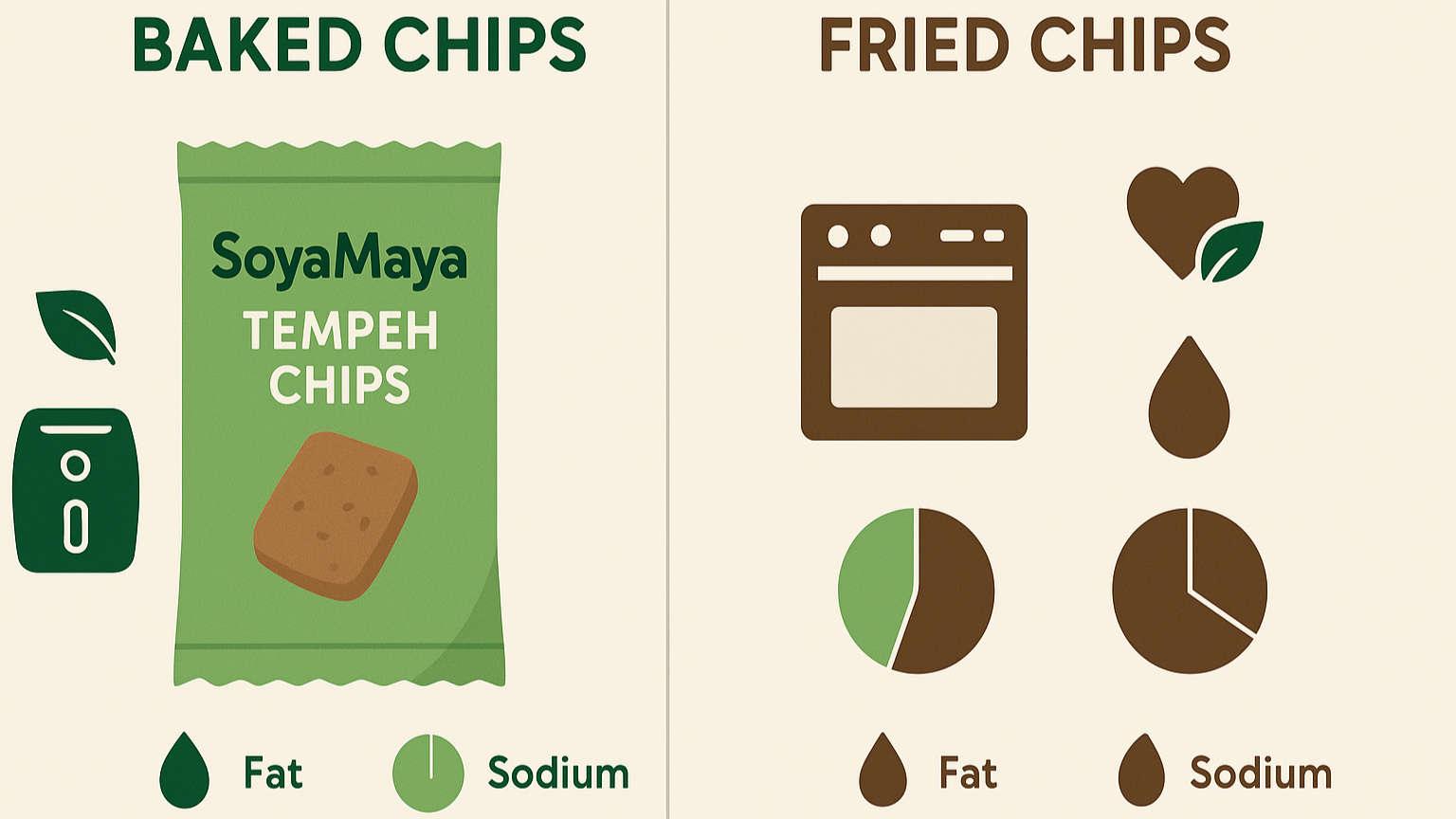
How they’re cooked matters just as much as what they’re made from. Baked and air-fried chips usually have much less fat than deep-fried ones. That alone changes how they fit into your daily diet. Instead of being soaked in oil, they’re crisped with hot air or minimal oil, which means fewer calories from fat and less strain on your heart over time.
- A typical 28 g serving of baked potato chips may have ~131 calories and ~5 g fat (with ~0.7 g saturated fat), versus ~149 calories and ~10 g fat (1 g saturated) in a similar serving of fried potato chips.
- That’s roughly a ~50% reduction in fat and a modest reduction in calories when opting for baked over fried chips. [2]
- Because of lower fat content, baked/oven chips might impose less strain on heart health (less saturated fat), if consumed instead of fried chips, though the difference might not always be dramatic depending on brand/portion.
Many plant-based chip brands also choose better-quality oils. You’ll often see avocado oil, olive oil, or high-oleic sunflower oil on the label. These oils have more stable fats and better fatty acid profiles than the generic “vegetable oil” or corn oil used in a lot of regular chips. It may feel like a small detail, but when you add up every snack across a week, it starts to matter for cholesterol, blood pressure, and long-term heart health.
Another quiet strength of plant-based chips is how they fit different diets. Most are naturally vegan and vegetarian, because the base is usually legumes, grains, or vegetables instead of dairy or animal fats. Many are also gluten-free, which makes them a safe option for people with celiac disease or gluten sensitivities. On top of that, you can easily find bags labeled non-GMO and organic if that’s part of your personal standard.
This wide range of choices means you don’t have to feel excluded from snacking just because you have a specific dietary need. It’s more than just cutting out animal products, it’s about looking for snacks that line up with your values and your health goals at the same time. Some brands take that idea further by thinking about where their ingredients come from. For instance, we prioritize sourcing soybeans from local Indiana farms, where we can trace quality, support nearby growers, and keep a closer eye on how our food is raised.
In the end, a “healthier chip” isn’t magic. It’s better ingredients, better cooking methods, and better choices stacked together, one small decision at a time.
Your Guide to Picking the Best Bag
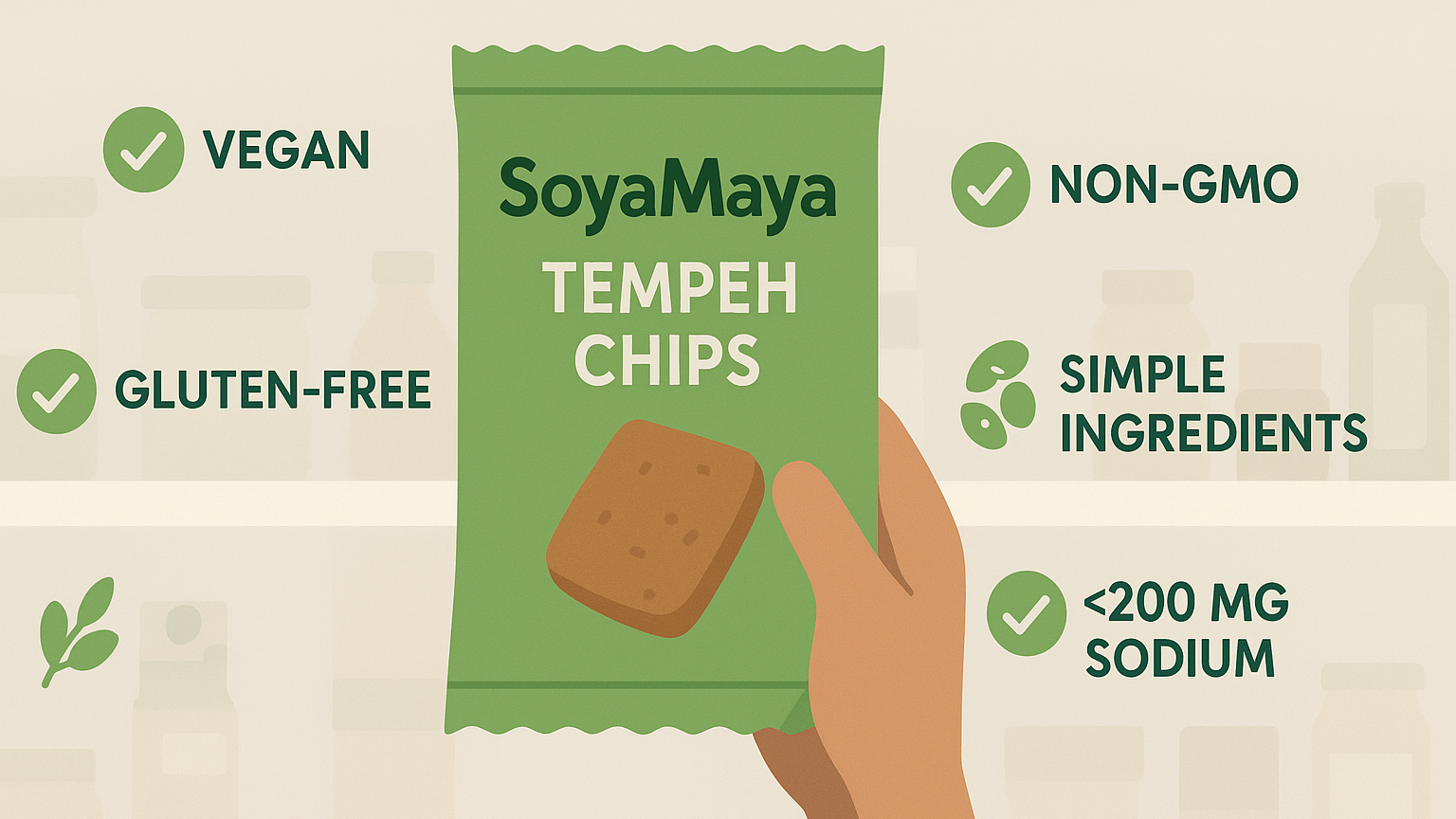
The snack aisle can feel like a maze, with bright colors and big health claims on every bag. The best way through it is to treat yourself like a quiet investigator. Start by turning the bag over and reading the ingredient list. A strong option usually has a short list of ingredients that you can actually pronounce and recognize from a normal kitchen. Lentils, salt, oil, spices? Good sign. A long line of additives, artificial flavors, and unrecognizable compounds? That’s a red flag.
Next, take a closer look at sodium. Salt helps with flavor and texture, but a lot of chips go overboard. Many plant-based chips can sneak in more salt than you expect, especially if they’re heavily seasoned. As a simple rule of thumb, look for something under about 200 mg of sodium per serving, and compare a couple of brands side by side. Sometimes the difference between two options is just a small label check.
Then, scan the fat section. You’re not just looking at how much fat, but what kind. Chips made with “high oleic” oils usually contain more stable, heart-friendly fats that handle heat better during baking or frying. If you see high-oleic sunflower or safflower oil, or avocado oil, that’s generally a better choice than vague “vegetable oil” or palm oil. You don’t have to be a nutrition scientist, you just need to know a few anchor terms to watch for.
It also helps to ask yourself what you want from the snack before you even pick it up. Do you need something that keeps you full between classes, meetings, or study sessions? Then look for legume-based chips made from lentils, chickpeas, or soybeans, since they tend to have more protein and fiber. If you just want a light crunch with fewer calories, vegetable chips or thinly sliced root veggies might suit you better. There’s no perfect chip for everyone, only a better match for what you need in that moment.
Flavor matters too, much more than people admit when discussing “healthy” food. If you don’t enjoy the taste, you won’t reach for that bag again, no matter how impressive the nutrition label looks. So don’t hesitate to experiment. Try different bases (lentil, soybean, cassava), play with seasonings, and adjust the texture from puffy to thin and brittle, the same kind of textural shifts you’d notice when making your own, as shown in typical how to make tempeh chips processes. Over time, you’ll discover which versions you actually crave.
A good plant-based chip should feel like a small reward, not a compromise. It should give you that familiar crunch, the satisfying flavor hit, and the quiet confidence that you’re not just snacking on empty calories. When your taste buds and your nutrition goals line up in the same bag, that’s when you know you’ve found the right one.
FAQ
1.What makes plant-based snacks a better choice than regular chips?
Plant-based snacks often come from whole food ingredients such as pulses, grains, or vegetables rather than just refined starch and oil. Because of that, they may deliver more fiber, plant protein, and nutrients than many traditional fried chips. This can make them more filling and nutritious, a smarter snack option for people seeking healthy crunchy snacks.
2.Are baked chips or air fried chips always low fat or healthier than fried chips?
Usually baked chips or air fried chips contain less fat and fewer calories than deeply fried chips, because they use less oil during cooking. However, they can still be high in salt or refined starch, and their fiber or nutrient content may remain low. So calling them “healthy” depends on their ingredients and portion size, not just the cooking method.
3.Should we trust veggie crisps, chickpea chips or green pea crisps to give real nutrition?
Some veggie crisps or legume-based chips, like chickpea chips or green pea crisps, may offer more protein or fiber compared to plain potato chips. That makes them a better snack choice if you want more filling, nutrient-dense snacks. Still, you need to read the label: if the product uses refined flours, lots of salt, or extra oil, the nutritional benefit can drop.
4.Can plant-based or whole-food snacks fully replace eating vegetables or whole grains every day?
Not usually. Even when chips are based on plants, processing (baking, drying, frying) often reduces many of the vitamins, fiber, and minerals found in fresh vegetables or whole grains.
So think of plant-based chips as a better alternative to junk snacks, not a substitute for regular veggies or balanced meals.
Choosing Smarter Crunch: Why Plant-Based Chips Win
Switching to plant-based chips is an easy move toward a healthier lifestyle, no compromise on crunch, only better ingredients and real nourishment. With wholesome bases like legumes, grains, or vegetables, you get protein, fiber, vitamins and minerals, not empty calories. Make the switch now and enjoy a snack that fills you up and fuels you.
Ready to try it? Browse our SoyaMaya Protein Tempeh Chips today!
References
- https://pmc.ncbi.nlm.nih.gov/articles/PMC7257796/
- https://www.stack.com/a/are-healthy-chips-really-healthy-5-popular-options-examined/
Related Articles
- https://mayasaritempeh.com/tempeh-chips/
- https://mayasaritempeh.com/plant-based-tempeh-chips/
- https://mayasaritempeh.com/how-to-make-tempeh-chips/
Soya Maya Tempeh Protein Chips
High-protein, plant-based, made from real tempeh. No artificial flavors. Crunchy and satisfying every time.
