
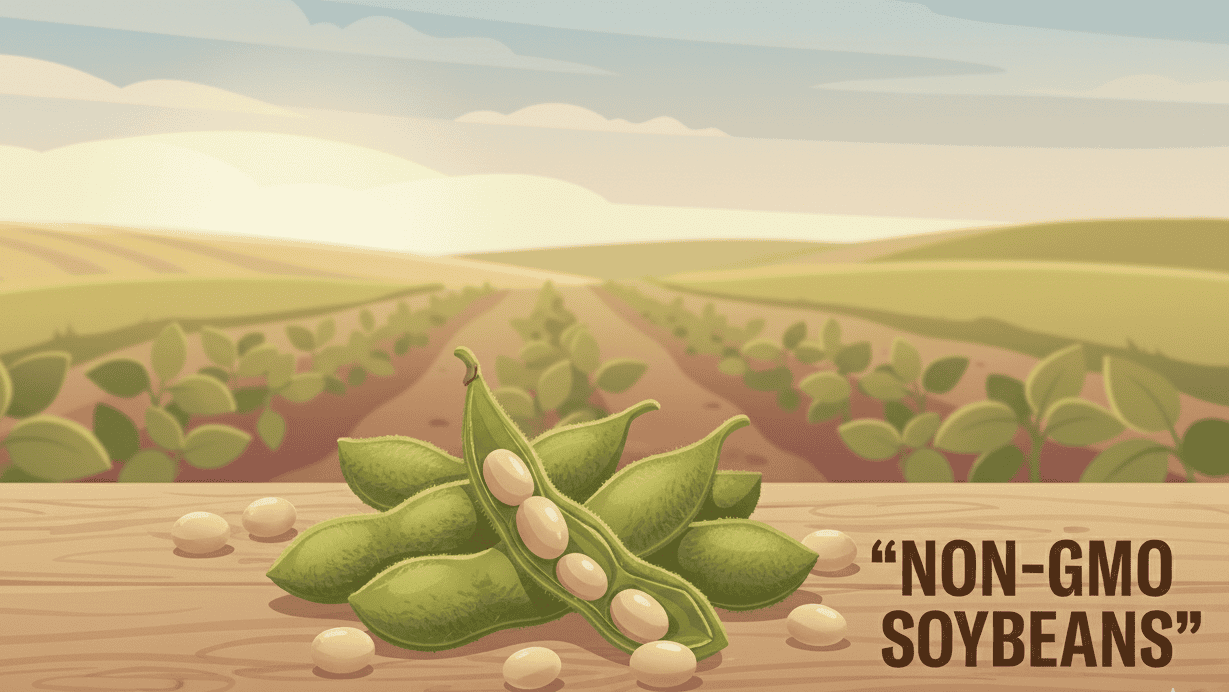
You want to know what non-GMO soybeans are. They are soybeans grown from seeds that haven’t had their DNA altered in a lab, keeping them in their natural state.[1] We use them because they represent a choice for purity, for a connection to traditional farming, and for a flavor that just tastes more authentic.
It’s about going back to basics, to the way food was meant to be. The difference is something you can taste, a nuttiness and depth that gets lost when you start tinkering with genetics. Keep reading to see why this simple choice matters so much for your plate and your health.
Key Takeaways
- Non-GMO soybeans are cultivated through traditional breeding, not genetic engineering.
- They often provide a superior flavor profile and texture for foods like tempeh and tofu.
- Choosing non-GMO supports farming practices that many consider more natural and transparent.
What Exactly Are We Talking About?
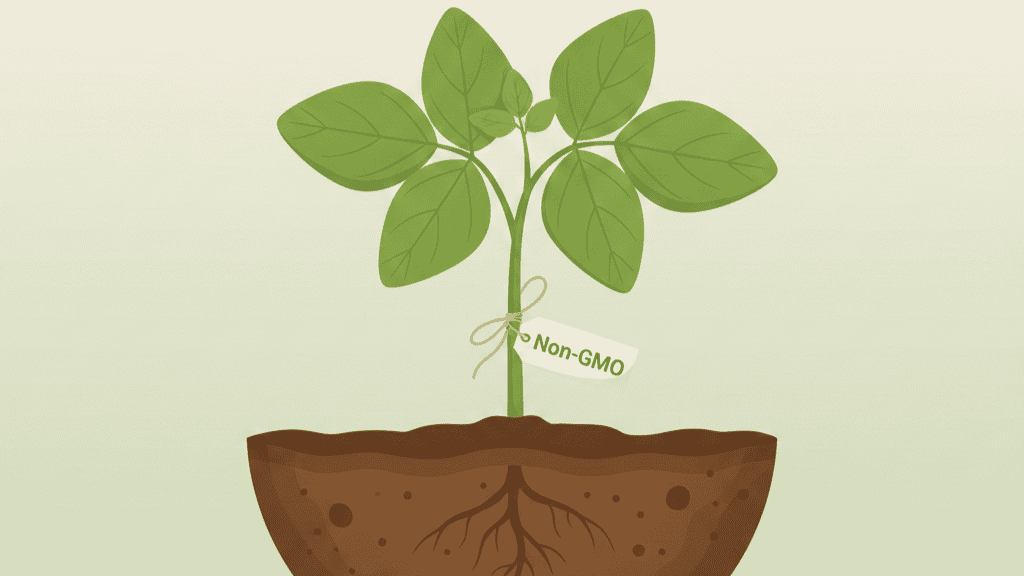
You can almost picture the field: rows of soy plants, just growing the way plants have for a long time. That’s the idea behind non-GMO soybeans.
Soya Maya Fresh Tempeh is made the traditional way — no preservatives, no shortcuts. Delivered to your door.
Order Fresh Tempeh →The “GMO” in the name means Genetically Modified Organism, so non-GMO simply means the soybean’s DNA hasn’t been changed in a lab. No genes added to survive herbicides, no lab-designed traits, just seeds developed through selective breeding over many seasons.
This is different from organic. Organic rules are stricter, banning synthetic pesticides and fertilizers and centering soil health. Non-GMO soybeans, though, can still be grown with conventional inputs. The focus is the seed, not the whole system.
To spot them, you can check for labels like the Non-GMO Project Verified seal, which uses third-party testing.
For us at SoyaMaya, working with Indiana farmers who grow beans this way wasn’t a debate, it reflects why organic non-GMO soybeans matter from flavor to long-term food values.
The Real Difference Between Non-GMO and GMO Soy
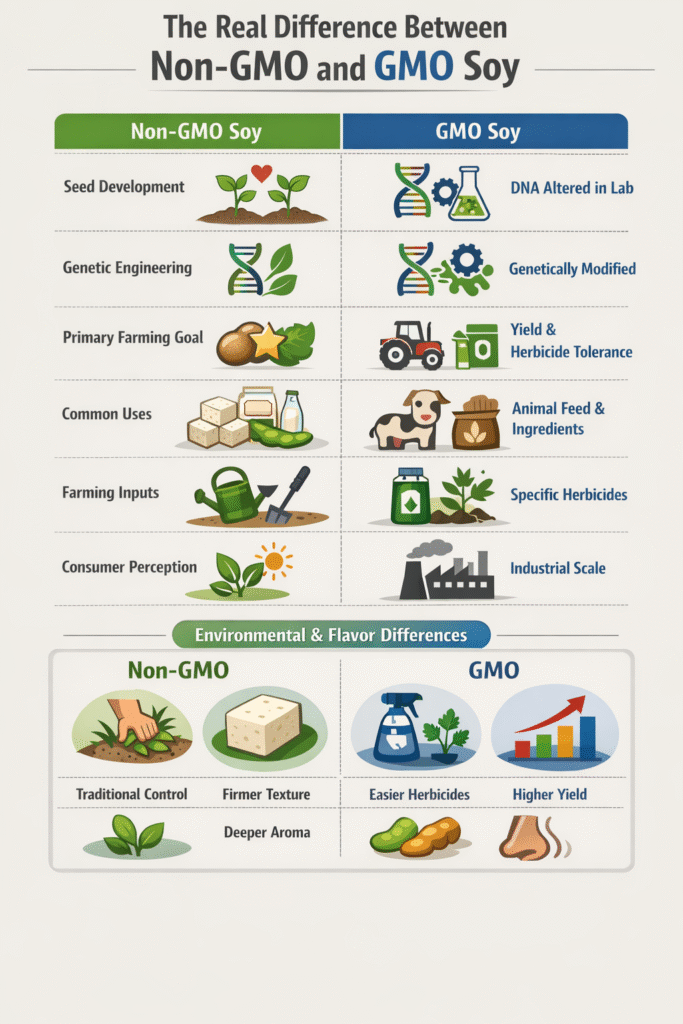
You can see the split right on the plate, even if the beans look the same at first glance.
| Aspect | Non-GMO Soybeans | GMO Soybeans |
| Seed Development | Traditional breeding over many seasons | DNA altered in a laboratory |
| Genetic Engineering | Not genetically modified | Genetically modified organism |
| Primary Farming Goal | Flavor, food quality, adaptability | Yield efficiency, herbicide tolerance |
| Common End Use | Tofu, tempeh, soy milk, whole soy foods | Animal feed, soy oil, processed ingredients |
| Farming Inputs | Flexible, varies by farm | Often paired with specific herbicides |
| Consumer Perception | More natural and transparent | More industrial and large-scale |
GMO soy was designed with big fields in mind, not small kitchens. The usual goals are:
- Make herbicide spraying easier
- Protect plants from specific pests
- Push yield and lower cost per acre
Non-GMO soy leans on a different mindset. Farmers often:
- Use more traditional weed and pest control
- Accept possible lower yields or higher costs
- Support systems that don’t depend on one key chemical
For many, the draw is environmental: fewer tightly linked chemical-soy systems, more flexibility in the field.
Then there’s flavor and feel, which you notice fast if you work with soy every day. When we’re making tofu or tempeh, non-GMO beans often give:
- Firmer, cleaner texture
- More consistent color
- A deeper, nuttier aroma
Less engineered for industry, more tuned for food.
Why Non-GMO and Organic Aren’t the Same Thing
People often use “non-GMO” and “organic” interchangeably, but they are distinct categories. Think of it like a square and a rectangle. All organic soybeans are non-GMO, that’s a strict rule of organic certification.[2]
But not all non-GMO soybeans are organic. The non-GMO label is solely concerned with genetic modification. It doesn’t dictate how the farmer controls pests or enriches the soil.
| Category | Non-GMO Soybeans | Organic Soybeans |
| Genetic Modification | Not genetically modified | Not genetically modified |
| Synthetic Pesticides | May be allowed | Not allowed |
| Synthetic Fertilizers | May be allowed | Not allowed |
| Soil Health Requirements | Not required | Required by certification |
| Certification Scope | Focused on seed genetics | Covers entire farming system |
| Certification Example | Non-GMO Project Verified | USDA Organic |
Organic certification is a holistic system. It bans the use of synthetic pesticides and fertilizers. It requires practices that build soil fertility and promote ecological balance. The paperwork and inspection process is rigorous.
For a consumer, choosing organic means you’re getting a non-GMO product plus a guarantee about how it was grown from seed to harvest.
For us, the choice of non-GMO soybeans was the first, most critical step. It’s the foundation. It ensures the character of the bean is intact. We then go a step further with our Fresh Frozen Tempeh, using organic non-GMO soybeans to protect both the natural genetics of the bean and the way it’s grown.
This double assurance aligns with our commitment to clean, transparent ingredients. You get the natural genetics and the sustainable farming practices.
The Simple Health Benefits of a Natural Bean
Credits: Corewell Health in West Michigan
When you set the arguments aside for a moment, soy just stands there as a very solid little source of nutrition.
At its core, soy gives you:
- Complete protein (all nine essential amino acids)
- Low saturated fat, which supports heart health
- Fiber, iron, and a range of helpful micronutrients
Those core benefits are present in both GMO and non-GMO soy. They belong to the bean itself.
Where non-GMO starts to matter is in how you think about your food and what you want to support. Many people lean toward:
- Foods that stay closer to their natural genetic line
- Crops grown with direct human eating in mind
- Beans selected for taste and texture, not just yield
Because non-GMO soy is often used for tempeh and tofu, it’s usually bred for:
- A cleaner, richer flavor
- Better texture and fermentation behavior
In the SoyaMaya kitchen, that means tempeh that browns nicely, takes on marinades, and delivers real nourishment, one of the everyday tempeh snack benefits people notice right away.
Making Your Choice for a Better Plate
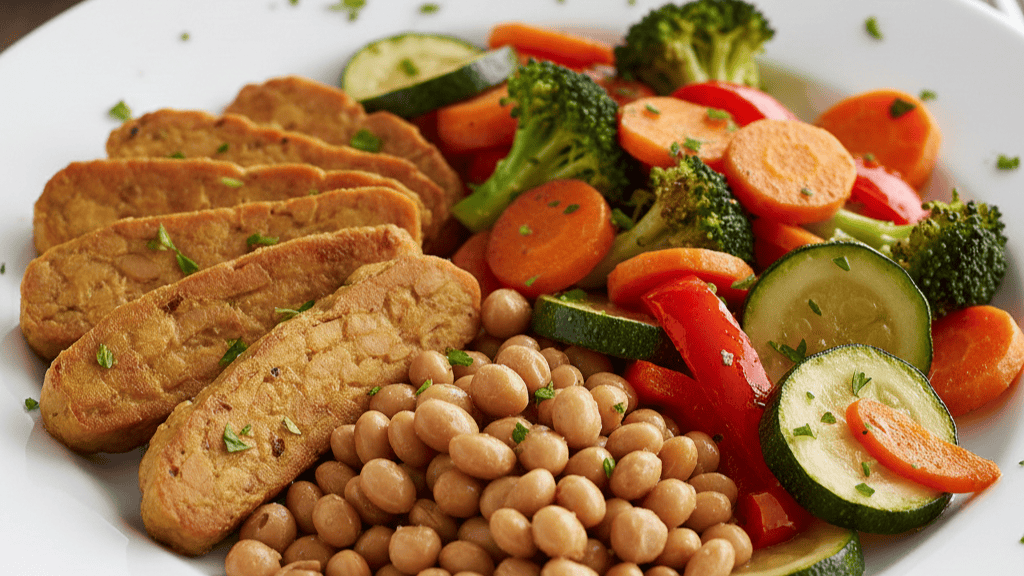
Standing in the soy aisle, all those labels can blur together, but once you know what they mean, the whole shelf starts to make sense.
Here’s a quick way to read them:
- If you want to avoid genetically engineered ingredients
Look for: Non-GMO Project Verified
- If you also want limits on synthetic pesticides and support for ecological farming
Look for: USDA Organic (which is, by default, non-GMO)
It also helps to match the label to what you’re buying:
- Whole soy foods (edamame, tofu, tempeh, whole beans)
Non-GMO and organic are often chosen for flavor and direct eating
- Processed soy ingredients (soy oil, soy protein isolate, soy lecithin)
Non-GMO labels can better align with your food values
Each choice is a quiet vote for how you want food grown. At SoyaMaya, every product, from Fresh Frozen Tempeh to Protein Chips, starts with non-GMO soybeans, because we want those values baked in from the seed up.
FAQ
What are non-GMO soybeans, and how do they differ from GMO soybeans?
Non-GMO soybeans come from non-genetically modified organisms and grow through conventional breeding soy. GMO soybeans use genetically modified soy traits, often herbicide resistant soy.
Farmers select natural soy varieties instead of lab changes. This affects soy seed availability, soy yield comparison, pest management soy, and how soy crop production fits food, feed, and industrial soy uses.
How can buyers verify non-GMO soybeans through soy certification systems?
Soy certification helps confirm sourcing. Programs like Non-GMO Project Verified track identity preserved soy from seed to storage. Testing supports GMO detection soy and clear tariff classification soy under HS codes soy. This matters for clean label products, soy for food, soy for beverages, and soy for animal feed in global food industry soy markets.
Why do non-GMO soybeans matter for health conscious consumers?
Health conscious consumers choose non-GMO soybeans for soy protein, plant-based protein, and vegan protein source needs. Whole soybeans offer complete protein soy, low saturated fat soy, and soy isoflavones. These nutrients support heart healthy soy, bone density soy, and possible cancer risk reduction soy when eaten as part of plant-based diets.
How do non-GMO soybeans affect tofu quality, texture, and aroma?
Soy for food depends on bean traits. Non-GMO soybeans influence tofu quality soy, soy texture, soy aroma, and soy color. Varieties like yellow soybeans, green soybeans, dark hilum soy, and high-oleic soy change results. These traits matter for soy milk non-GMO, tempeh soy, miso soy, natto soybeans, and edamame non-GMO.
How do non-GMO soybeans fit into global supply, trade, and sustainability?
Non-GMO soy demand grows with soy market growth and market forecast soy, including CAGR non-GMO soy trends. Regions differ, from North America soy to Europe non-GMO soy and Asia-Pacific soy. Sustainable soy farming supports environmental sustainability, while choices vary across Brazil soy production, China soy production, India soy demand, and Latin America soy.
Your Next Step with Non-GMO Soy
Understanding non-GMO soybeans boils down to appreciating simplicity. It’s a choice for traditional methods, for potential flavor benefits, and for a more transparent food system. This knowledge empowers you to select foods that align with your values. The best way to experience the difference is to taste it. See how a product made with intention, from the ground up, can elevate a meal.
We invite you to experience the clean, nutty flavor of tempeh made the way we think it should be. You can find our products, all centered on the humble non-GMO soybean, Visit our shop to get started.
References
- https://en.wikipedia.org/wiki/Soybean
- https://en.wikipedia.org/wiki/Genetically_modified_organism
Related Articles
- https://mayasaritempeh.com/tempeh-snack-benefits/
- https://mayasaritempeh.com/organic-non-gmo-soybeans/
- https://mayasaritempeh.com/why-organic-non-gmo-soybeans/
Soya Maya Fresh Tempeh
Traditionally fermented, no preservatives, shipped fresh and frozen to your door. The real deal, direct from us.
