
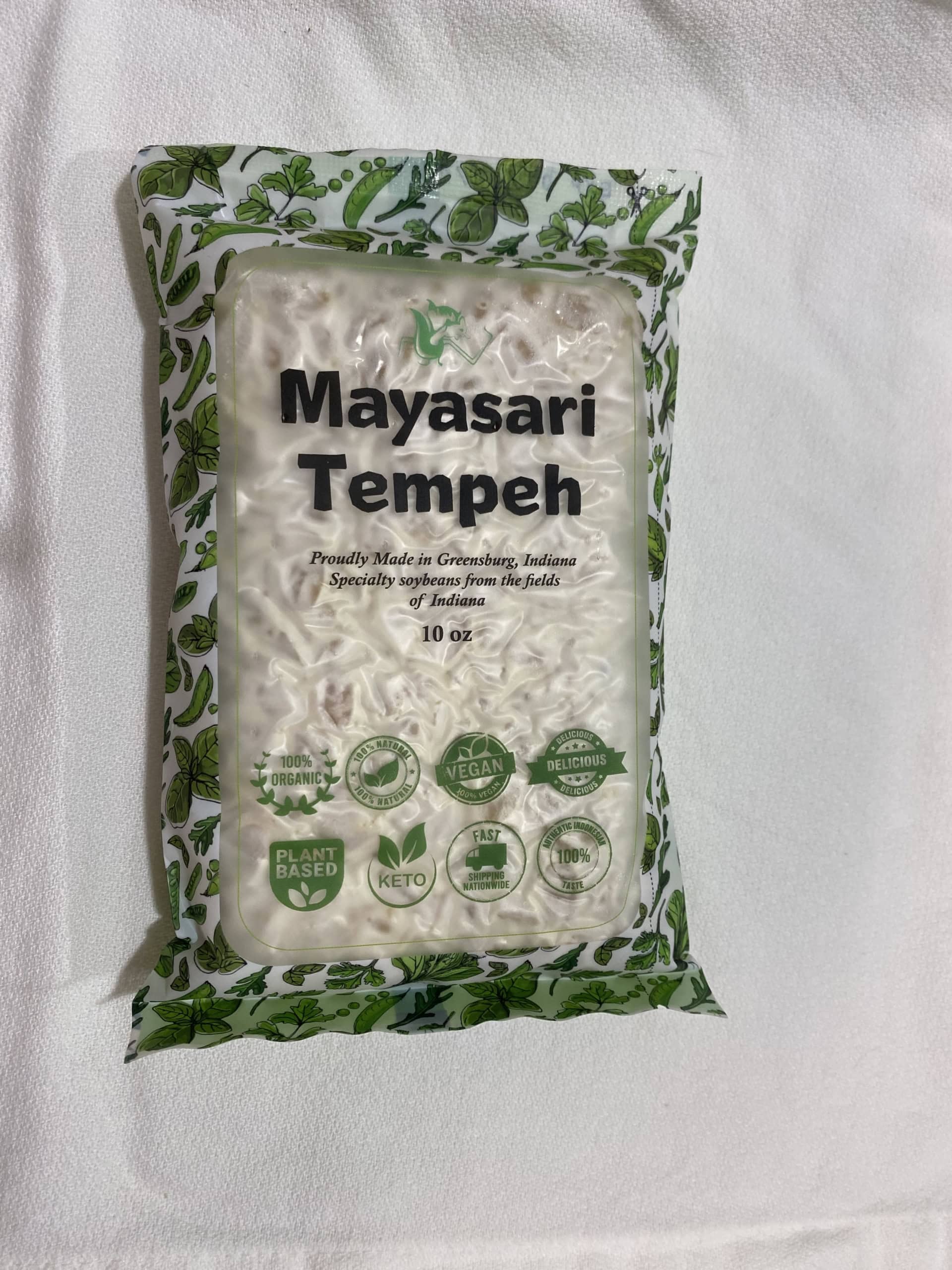
Non-GMO certified tempeh is made from soybeans verified through third-party systems such as the Non-GMO Project or USDA Organic standards. Organizations such as the Non-GMO Project and FoodChain ID conduct audits, ingredient traceability checks, and contamination risk assessments for soy-based foods.
From years spent working with tempeh producers and suppliers, one pattern is clear: labels like “natural” or “traditional” don’t always mean the soybeans meet non-GMO standards. If ingredient clarity, traceability, and proper fermentation matter to you, it helps to know what to look for. Keep reading for a clear, practical breakdown.
Quick Check: What Makes Non-GMO Tempeh Trustworthy
- Certified non-GMO tempeh uses verified soy & audits
- Non-GMO Project & USDA Organic give trusted assurance
- Freshness, simple ingredients & transparency also matter
Quick Picks: What Matters When Choosing Non-GMO Tempeh
Finding non-GMO tempeh? Start with the labels, but don’t stop there. We’ve been testing dozens of brands in our own kitchens, and the certified ones aren’t always the best.
Soya Maya Fresh Tempeh is made the traditional way — no preservatives, no shortcuts. Delivered to your door.
Order Fresh Tempeh →Some pass the GMO test but show up stale or with zero info on where their beans came from.
Quality starts at the very beginning-with the soybeans. Research from National Institutes of Health (NIH) shows
“Probiotic fermentation has become a promising strategy to enhance the functionality and sensory properties of foods. These findings establish synergistic microbial-metabolic regulation as a strategy for developing functional products with enhanced nutritional and sensory properties.” – National Institutes of Health (NIH)
If you can’t trace them back to a specific farm or region, you’re already on shaky ground.
We see this all the time in our work, especially with products coming out of Indonesia. A “non-GMO” stamp doesn’t guarantee the beans were handled well from field to fermenter.
Then there’s the shipping. Tempeh is a fresh tempeh product, not a canned good.
We’ve received packages that were warm or crushed, and the product inside was slimy or sour. That “fresh” probiotic benefit is gone if it sits in a hot truck for two days.
So what do we look for when we’re buying for ourselves? A short list:
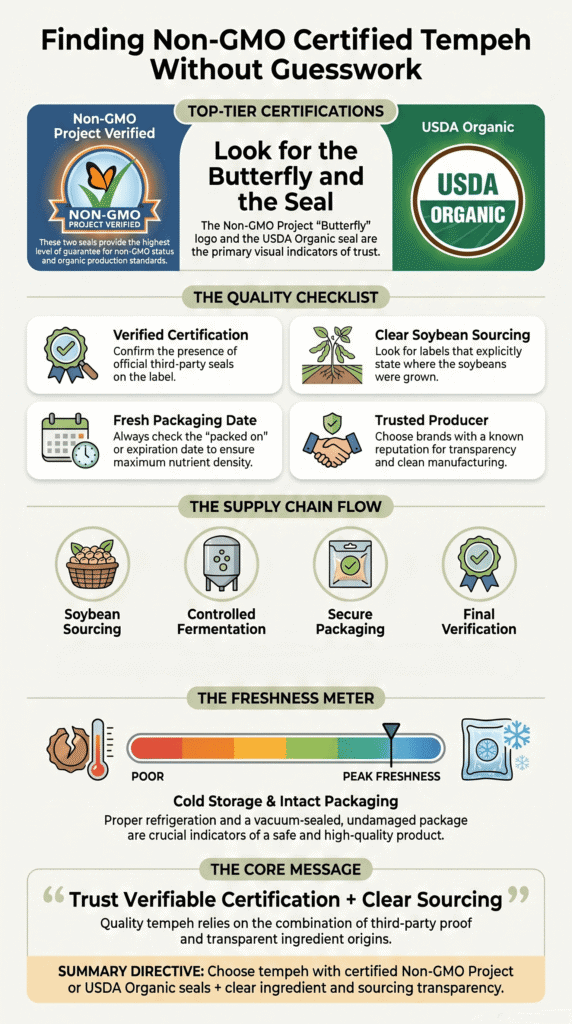
- A real, verifiable certification (Non-GMO Project Verified or USDA Organic).
- Clear sourcing info on the package-country of origin, and ideally, the farm or co-op.
- Packaging that’s intact, cold, and has a clear “packed on” date.
- A producer we recognize, one that’s been around and has a reputation for consistency.
In our experience, those four points tell you more than any fancy marketing ever will.
Understanding What Non-GMO Certified Tempeh Means
Getting a “Non-GMO” label on tempeh isn’t just a stamp. It means soybeans are tracked from farm sourcing, tested for GMO contamination, and verified through documented chain-of-custody systems.
This process usually goes hand-in-hand with non-GMO standards, which adds another layer of checks.
Data from Non-GMO Project demonstrates
“High-risk crops like soy are frequently processed into meat alternatives and require diligent verification to maintain integrity.” – Non-GMO Project
The whole thing starts with the beans. Clean, verified non-GMO soybeans are non-negotiable.
If the raw material isn’t right, you can’t call the final fermented product truly non-GMO. We’ve watched batches fail because the bean source wasn’t locked down from the start.
The certification process is rigorous. It involves mapping the entire supply chain, assessing contamination risks, and running regular tests.
For us as producers, this means we can guarantee what we’re selling. It creates consistency, so every block of tempeh meets the same standard.
We notice a tangible difference in the product itself. When we use properly verified beans, especially from regions like Indonesia known for their soy, proper non-GMO soybean sourcing improves fermentation stability, resulting in firmer texture and reduced off-flavor development.
The texture is firmer, the flavor is cleaner, and the whole process is more reliable.
It’s crucial to read the label carefully, though. Here’s what we see:
- “Label classifications include”: unverified ‘Non-GMO’ claims, third-party certified Non-GMO Project Verified products, and USDA Organic-certified goods.
- “Certified Non-GMO”: This has been validated by a third-party auditor, like the Non-GMO Project.
- “Non-GMO”: This certification automatically means non-GMO, but it also includes rules about pesticides and soil health.
For anyone specifically choosing tempeh for a non-GMO diet, these details matter. They’re the difference between taking a company’s word for it and having real, verified trust in what you’re eating.
Key Certifications for Tempeh to Look For
When you’re looking at a package of tempeh, two certifications are the gold standard for non-GMO: Non-GMO Project Verified and USDA Organic.
Both certifications enforce GMO exclusion, but differ in scope: Non-GMO Project focuses on traceability, while USDA Organic includes farming input restrictions.
These seals are more than just logos. They’re a system of verification that builds trust.
The Non-GMO Project, for instance, has checked tens of thousands of products. That scale makes it a familiar benchmark for shoppers worldwide.
Here’s a straightforward look at how they compare:
| Certification | What It Guarantees | Example Use |
| Non-GMO Project Verified | Rigorous testing and full traceability of ingredients across the supply chain to ensure no GMO contamination. | Sealed retail tempeh package sold in supermarkets or health stores. |
| USDA Organic | No genetically modified organisms allowed, along with strict rules on synthetic pesticides and fertilizers. | Non-GMO tempeh made from certified non-GMO soybeans, often from premium or imported sources. |
| Local Non-GMO Labels | Country-or region-specific standards that typically include non-GMO requirements and basic non-GMO farming rules. | Locally produced tempeh sold in domestic markets, such as small-scale producers in Indonesia. |
In our work, we’ve handled the paperwork for both big international certifications and smaller local ones. The global systems, frankly, come with a mountain of documentation. They track every step, which is a hassle for us but great for you.
So what do we actually look for when we’re vetting a product or sourcing beans? A short list:
- The physical, verifiable certification seal on the packaging.
- An ingredient list that’s just soybeans and a starter culture, nothing else.
- Some evidence of traceability, like a lot number or a note about the bean origin.
In our experience, if a brand has these three things sorted, the overall quality and safety of the tempeh is almost always higher. Certified producers demonstrate compliance through documented audits, ingredient traceability records, and periodic testing protocols.
Identifying Authentic Non-GMO Tempeh in Indonesia
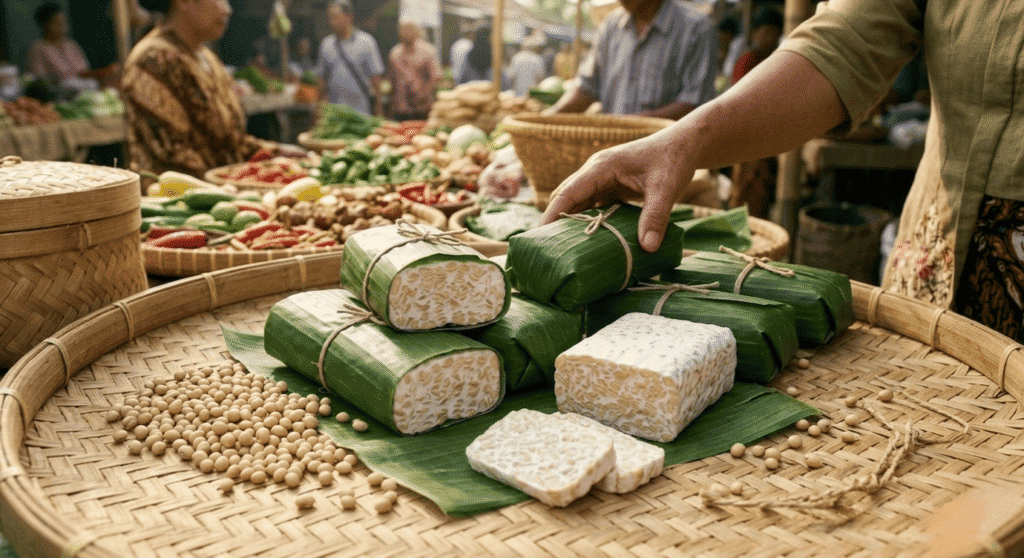
Finding real non-GMO tempeh in Indonesia takes a bit of work. In Indonesia, tempeh prices range from Rp15,000-29,000 per block, but price does not consistently correlate with certification status or soybean origin transparency.
We shop in this market constantly, and the quality swings wildly. You can find genuine, traditionally made tempeh right next to products using cheap, imported soybeans with zero information on their origin.
The packaging is your first clue. We’ve found that clean, simple labels usually point to better manufacturing. If the company bothers to list clear details, they often care more about safe handling too.
Here’s our process when we’re searching online or in markets:
- Start with keyword filtering (‘tempe organik non-GMO’), then validate certification presence, ingredient composition, and seller traceability disclosures.
- Look immediately for any certification seal or an non-GMO claim on the product image.
- Scrutinize the ingredient list. A compliant tempeh ingredient profile should contain only soybeans and Rhizopus starter culture, with no additives or preservatives (ragi tempe).
- Check the seller’s page. Do they explain where their whole soybean tempeh comes from? A vague “imported” isn’t good enough.
We also consider the form it comes in. A fresh, plain block is almost always superior. It has a better texture and that classic, nutty flavor.
Pre-fried tempeh chips or heavily seasoned snacks are more processed, and it’s harder to judge the quality of the original beans.
Knowing these details is key. The difference between non-GMO and conventional tempeh isn’t always visible, and the packaging won’t spell it out for you. You have to dig a little.
Reasons We Prioritize SoyaMaya for Non-GMO Tempeh
We choose SoyaMaya because it uses non-GMO verified soybeans, controlled fermentation processes, and maintains consistent batch quality standards. It starts with clean, non-GMO soybeans, and the fermentation is consistent. For us, that’s what makes a good plant-based protein.
Making tempeh right is all about consistency. Non-GMO fermentation needs stable beans and tight control over the process. That’s why our sourcing choice is so critical, it’s the foundation of everything we do.
Here’s what we get with SoyaMaya:
- Beans that are carefully chosen, non-GMO from the start.
- A clean label, nothing in there that doesn’t need to be.
- A production process that’s transparent and meets safety standards we can stand behind.
- A product that works for vegan tempeh and fits into high-protein diets.
The market data backs this up. Reports show the plant-based food sector is growing steadily, and a big part of that is demand for non-GMO protein sources.
We see it every day with our customers. People are actively looking for tempeh that’s non-GMO.
They ask about digestibility, they check the protein content, and they care where the ingredients come from. It’s not just a trend; it’s what people expect now.
Easy Places to Buy Non-GMO Certified Tempeh
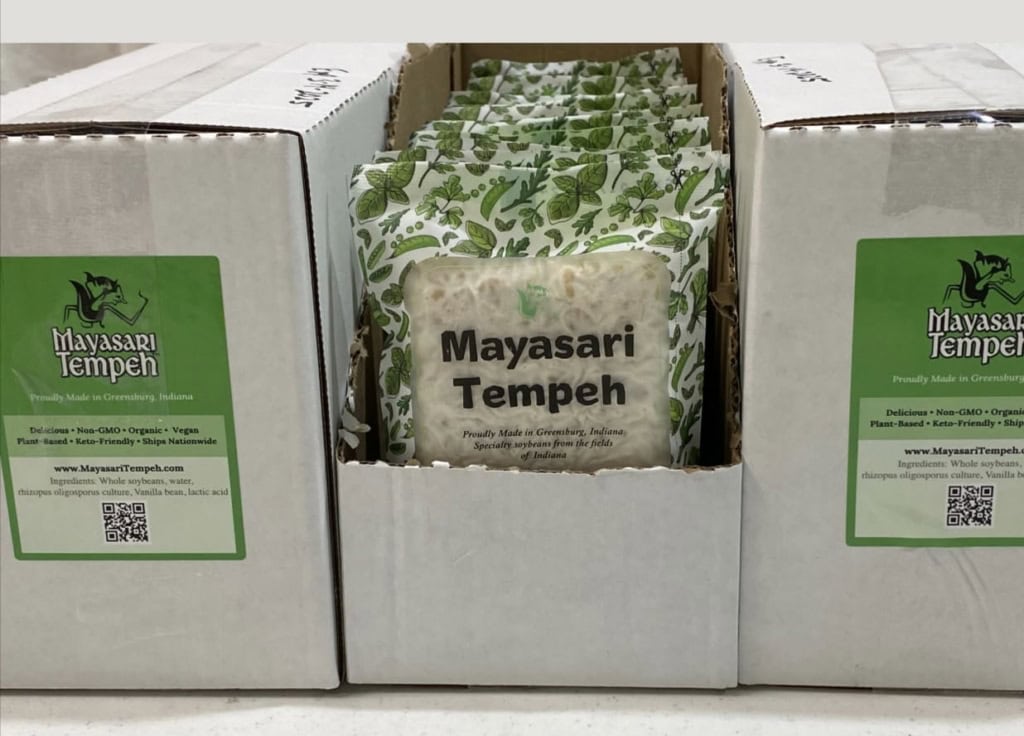
Finding non-GMO tempeh isn’t hard these days. You can get it online, in specialty shops, or straight from suppliers.
In places like Indonesia, a lot of buyers use big local platforms like Tokopedia because it’s just easier.
We’ve tried sourcing from just about everywhere. What we’ve learned is that convenience really depends on one thing: how fresh you need the product to be.
Fresh, fermented food is a whole different ballgame compared to frozen stuff, it needs much more careful handling from start to finish.
Most people find it through a few main channels:
- Online marketplaces, great for finding local producers.
- Specialty non-GMO stores, usually where you’ll find imported products.
- Direct suppliers, the go-to for wholesale or bulk orders.
Based on our own trials (and a few errors), we always tell people to check three things before they buy:
- Storage conditions should be evaluated based on refrigeration status, cold-chain consistency, and remaining shelf life at point of sale.
- The expiration date, and really, how long does the shelf life seem?
- The packaging and label, is everything clear and easy to understand?
Doing these quick checks makes a huge difference. It helps ensure those live cultures stay active and the quality of the tempeh holds up, which is the whole point.
FAQ
How can I identify non-gmo tempeh when shopping?
You can identify non-gmo tempeh by checking the packaging label and reading the ingredients list carefully. Look for clear claims such as certified non-gmo tempeh or tempeh without gmo soybeans.
Reliable products usually include non-gmo tempeh certification or non-gmo soy certification tempeh. You can also review non-gmo tempeh documentation or ask sellers about non-gmo tempeh verification.
What makes non gmo soy tempeh different from regular tempeh?
The key difference lies in soybean genetic status, sourcing transparency, and certification validation method. Non-gmo soy tempeh uses tempeh non-gmo soybeans, while regular tempeh may use conventional soy.
This difference affects non-gmo tempeh traceability, sourcing transparency, and consumer trust. Many people choose gmo free tempeh as a cleaner non-gmo soybean product.
What are the benefits of eating non gmo tempeh regularly?
Non-gmo tempeh benefits include providing a reliable non-gmo plant based protein and non-gmo vegetarian protein source. It supports a non-gmo plant based diet tempeh lifestyle and offers solid non-gmo tempeh nutrition such as protein and fiber.
As a non-gmo probiotic tempeh, it can support non-gmo tempeh gut health and improve digestion when consumed regularly.
Does non-gmo tempeh certification guarantee quality and safety?
Non-gmo tempeh certification ensures that producers follow standards for non-gmo soybean sourcing tempeh and supply chain control. Certification improves safety assurance through contamination control protocols and supply chain monitoring, though handling and storage still affect final quality.
Factors such as non-gmo tempeh production, handling, and storage conditions still matter. Always review non-gmo tempeh documentation and labeling before purchasing.
How is non-gmo fermented soybeans tempeh produced and stored?
Non-gmo fermented soybeans are processed through a controlled non-gmo soy fermentation process using natural cultures. During tempeh fermentation non-gmo soy, the beans bind into a firm texture.
After non-gmo tempeh manufacturing, proper non-gmo tempeh storage is essential. Keeping it refrigerated helps maintain non-gmo tempeh shelf life, freshness, and probiotic quality.
Make Your Tempeh Choice Simple and Reliable
You’ve probably felt the frustration of checking labels, second-guessing sources, and wondering if your tempeh really fits your diet. It gets tiring fast. You just want something you can trust without overthinking every bite.
That’s where SoyaMaya makes things easier, giving you a clear option with clean sourcing and steady quality. You don’t have to guess or dig too deep. It helps you stay consistent while keeping things simple and reliable every day now. Explore now with SoyaMaya
References
- https://pmc.ncbi.nlm.nih.gov/articles
- https://www.nongmoproject.org/
Related Articles
- https://mayasaritempeh.com/fresh-tempeh/
- https://mayasaritempeh.com/how-to-find-whole-soybean-tempeh/
- https://mayasaritempeh.com/benefit-of-non-GMO-soybeans/
Soya Maya Fresh Tempeh
Traditionally fermented, no preservatives, shipped fresh and frozen to your door. The real deal, direct from us.
