
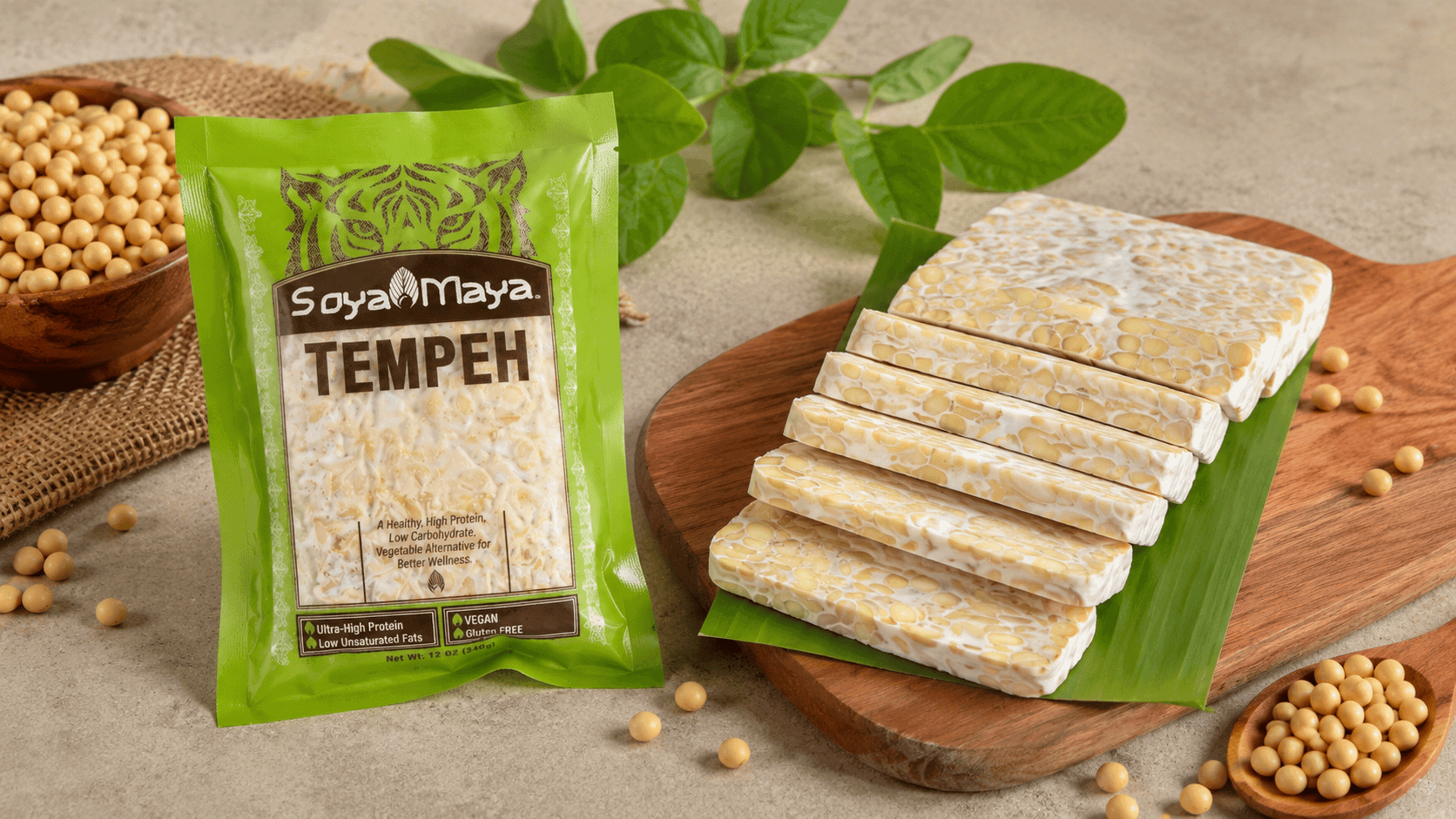
Non-GMO soy delivers complete plant protein, supports heart health, and fits clean-label diets built around traditional farming methods without genetic engineering. It contains all essential amino acids, making it a reliable protein source for plant-based eating.
Research cited by Medical News Today links regular soy intake to improved cholesterol levels and better cardiovascular markers.
Years of working with carefully sourced non-GMO soybeans at SoyaMaya have shown clear differences in taste, texture, and consistency across foods like tofu and tempeh. Those differences carry through to daily meals and how people feel after eating. Keep reading to see how it fits into a healthier, more sustainable lifestyle.
SoyaMaya Fresh Tempeh is made the traditional way — no preservatives, no shortcuts. Delivered to your door.
Order Fresh Tempeh →Quick Reads: Non-GMO Soy Benefits at a Glance
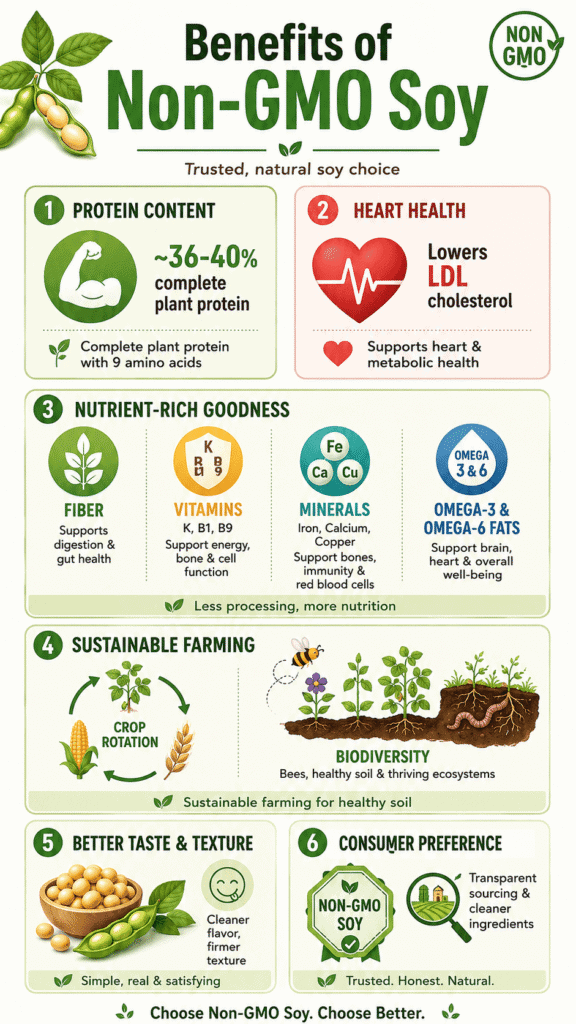
- Non-GMO soy: ~36-40% protein, amino lengkap
- Supports heart health, cholesterol, satiety
- Clean-label, sustainable, SoyaMaya priority
Nutritional Value of Non-GMO Soy
We use non-GMO soy because it’s a genuinely complete protein. It gives us all nine essential amino acids in one plant-based source. That’s crucial for people shifting toward more plant-focused meals or cutting back on meat, especially when working with carefully sourced non-GMO soybeans that retain their natural nutrient profile.
In our own production runs, we’ve seen that by choosing naturally grown, traditional seeds, we preserve the native protein ratios and isoflavone levels that define high-quality soy.
Whether we’re making soy milk, tofu, or tempeh from non-GMO beans, the protein content holds steady. The flavor comes through clean, without the off-notes you sometimes get with heavily processed alternatives.
Harvard Health has pointed to soy as a reliable plant protein for maintaining muscle and supporting overall health. Our own observations align with that consistency and performance.
Research from PubMed (National Institutes of Health) shows:
“soybeans are nutrient-dense legumes and a high-quality plant-based protein source containing all essential amino acids,” noting that with “a protein content of 36-40%, soy surpasses many other plant-derived proteins in nutritional value” – PubMed
Here’s what you get in non-GMO soy:
- Protein: ~36-40% per soybean
- Healthy fats: omega-3 and omega-6
- Fiber supporting digestion
- Vitamins: K, B1, B9
- Minerals: iron, calcium, copper
We see this same nutrient profile whether we’re turning beans into flour for baking, crafting a creamy yogurt, or refining an isolate. That consistency is why soy works in everything from classic dishes to modern protein shakes.
Heart and Metabolic Health Benefits of Non-GMO Soy
We’ve seen it firsthand: people who add non-GMO soy to their diet often report better numbers at their check-ups. There’s solid clinical research behind it, too.
Studies indicate soy protein can lower LDL cholesterol by a meaningful 3-5% for most people, with some clinical studies showing even higher results. That’s a meaningful shift.
Data from National Institutes of Health (NIH) demonstrates:
“non-genetically modified soy diets resulted in reduced serum cholesterol, triacylglycerols, glucose, and aortic remodeling compared to control groups” – National Institutes of Health
The FDA has acknowledged that soy protein can be part of a heart-healthy diet. It makes sense when you look at the components. Soy brings polyunsaturated fats to the table and contains no dietary cholesterol itself.
In our own kitchens and product development, the satiety effect is what people mention most. A meal with our tempeh or a glass of our soy milk tends to keep people full longer, without that sluggish feeling. It’s a cleaner kind of energy.
| Health Area | Effect of Non-GMO Soy | Why It Matters |
| Heart Health | Helps lower LDL cholesterol | Supports cardiovascular wellness |
| Blood Sugar Control | Supports stable glucose levels | Helps prevent energy crashes |
| Satiety | Increases fullness after meals | Supports weight management |
| Artery Function | Supports vascular health | Encourages long-term circulation support |
For us, this makes non-GMO soy a versatile ingredient. It works for active individuals looking for clean fuel, for women managing hormonal balance through diet, and for anyone interested in a more straightforward approach to metabolic health.
Disease Risk Reduction with Non-GMO Soy
The isoflavones in non-GMO soy are part of what makes it stand out.
Research, including reports from sources like Medical News Today, suggests that consistent soy intake is associated with a roughly 20% lower risk of certain cancers, particularly breast cancer, in some populations.
In our work, we pay close attention to traditional foods like miso, tempeh, and soy sauce. The fermentation process in these products seems to make those beneficial compounds more available for your body to use. That’s a key detail often missed.
For women, especially around menopause, this has practical implications. The phytoestrogens in soy can support calcium retention, which is important for maintaining bone density over time. It’s a natural dietary approach grounded in whole foods.
Here are the functional compounds we’re talking about:
- Isoflavones for hormonal balance
- Antioxidants that combat cellular stress
- Phytoestrogens that support bone integrity
From what we’ve observed, making non-GMO soy a regular part of your diet is about supporting your body’s systems for the long run. It’s a whole-food strategy that avoids the drawbacks of overly processed substitutes.
Food Quality and Processing Advantages of Non-GMO Soy
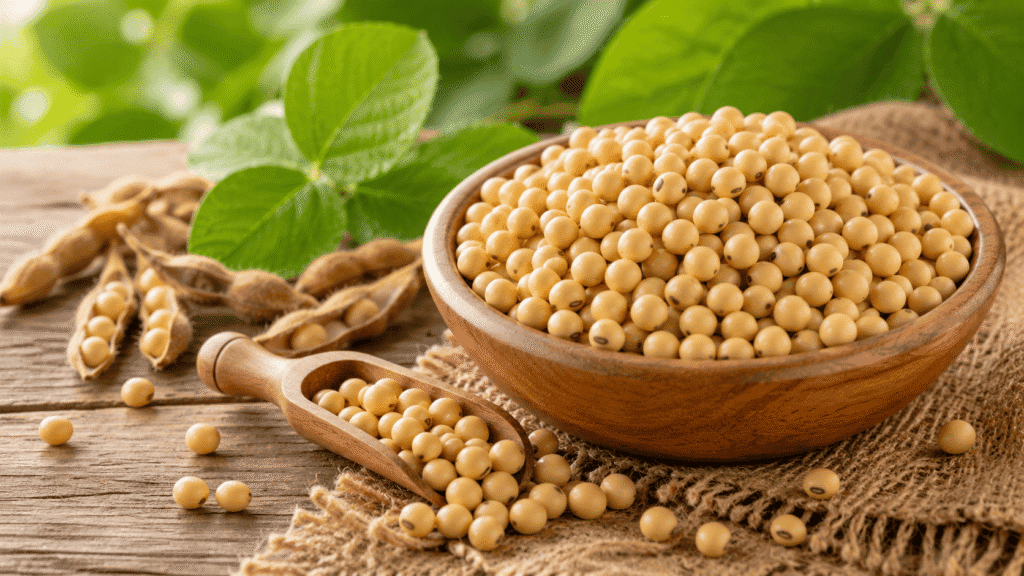
For us, the choice to use non-GMO soy starts with the quality you can feel and taste. The beans simply behave better, especially when we use whole non-GMO soybeans selected for their natural purity and integrity, helping preserve structure, protein integrity, and processing consistency.
Our non-GMO tofu sets with a noticeably firmer, more cohesive texture. When we make tempeh, the fermentation is more reliable, and the mycelium binds the beans evenly.
Feedback from production partners continues to reflect what we see on our own floor: carefully sourced non-GMO soybeans maintain strong native protein structure through processing. That higher consistency translates directly into a better end product.
The sensory differences are real. There’s a cleaner, slightly sweeter base flavor.
The structure holds up whether we’re simmering, frying, or baking. You get less of that strong aftertaste that can sometimes come through with heavily altered ingredients.
Here are the product advantages we consistently see:
- Superior texture and firmness
- A more appealing, natural color
- Lower final water content
- A consistent, neutral flavor profile
This all adds up in applications where texture is essential.
For our soy-based burgers, sausages, and other meat alternatives, it’s the difference between a product that feels satisfying and one that falls apart. Non-GMO soy gives us the foundation we need.
Sustainable Farming Benefits of Non-GMO Soy
Farmers often plant different crops in a field each season, a practice called rotation. This helps keep the soil healthy and productive over time.
By choosing soy that is free from genetic modification (non-GMO) by choice, our farming partners can focus on integrated pest management and diverse crop rotations. This reflects a more traditional and traceable approach to growing soybeans. We’ve walked those fields ourselves.
You see more bees, more birds, and healthier earthworms in the soil. Reports from agricultural organizations continue to support the idea that diversified farming methods benefit biodiversity and long-term soil health.
Here’s what their work supports:
- Rotating crops to nourish the soil
- Reduced dependence on intensive chemical spraying
- More balanced habitats for plants and wildlife
- Living, healthy soil that supports future harvests
This matters to us because it’s how food systems stay resilient over time. It’s a practical approach rooted in diversity, careful sourcing, and respect for traditional farming knowledge. Healthier soil helps create a more stable future for everyone connected to it.
Consumer Preference for Non-GMO Soy Products

People are choosing their food differently now. They’re reading labels, and what they want is simple: clarity around what they’re eating and a better understanding of non-GMO soybeans in everyday food products.
Market studies back this up. Many shoppers say they actively look for non-GMO options when they buy food. It’s no longer a niche preference; it’s become part of how people evaluate ingredient quality and transparency.
We hear it directly from customers. People choose our tempeh or soy yogurt because they recognize the ingredients.
There are no complicated ingredient lists, just “soybeans, water, culture.” That simplicity builds trust.
Here’s what’s driving this choice:
- A move toward foods that are less processed
- A stronger interest in ingredient transparency
- Appreciation for more traditional farming approaches
For our company, this transparency isn’t just a tagline. It’s part of how we operate every day.
We openly share where our beans come from and how they’re handled because that honesty is what keeps people coming back. It’s about building long-term relationships, not just making a single sale.
Key Benefits of Non-GMO Soy for SoyaMaya Users
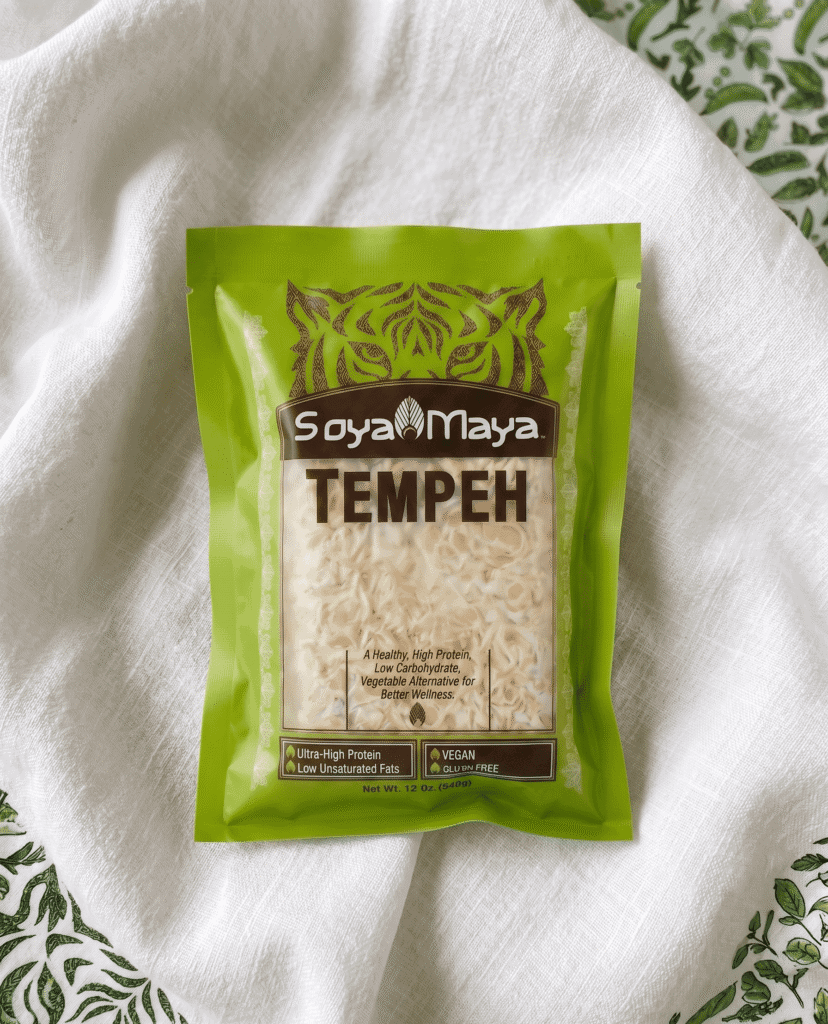
For us, non-GMO soy is the starting point for everything. We chose it because the beans themselves are dependable, and the long-term benefits of non-GMO soybeans show up in everything from nutrition to product consistency.
They give us a complete protein, no cholesterol, and a steady foundation to work from. Every batch of tofu and every block of tempeh begins with carefully sourced non-GMO soybeans selected for consistency and flavor.
Our process is straightforward. We work with trusted farming partners and handle every batch with care.
This isn’t about complicated claims. It’s about attention to detail from the field to the final package. The result is a product that performs consistently, whether it’s on a store shelf or in a chef’s kitchen.
Here’s what that means in practice:
- Nutrition you can count on: A full package of essential amino acids in a plant-based form.
- Clear sourcing: Ingredients that are familiar, simple, and thoughtfully selected.
- Earth-friendly roots: Farming approaches that support healthier soil for future seasons.
- Batch-to-batch consistency: Reliable texture, flavor, and performance every time.
It comes down to trust. We provide dependable ingredients for people making health-conscious choices and for businesses creating the next generation of food. That’s the standard we’ve built SoyaMaya around.
FAQ
What makes non-GMO soy different from regular soy products?
Non-GMO soy refers to soybeans grown without genetic engineering, using more traditional cultivation and breeding methods. Many people choose non-GMO soy foods because they appreciate cleaner ingredient sourcing and greater transparency.
While the protein, amino acids, and fiber content remain similar, the main differences are often tied to farming philosophy, ingredient traceability, and reduced dependence on certain chemical-intensive systems.
Is non-GMO soy a good protein source for daily diets?
Non-GMO soy protein is a complete plant-based protein containing all essential amino acids needed by the body. It supports muscle maintenance, recovery, and overall nutrition.
Foods such as tofu, tempeh, and soy milk made from carefully sourced non-GMO soybeans provide dependable protein quality. Many people include them in vegetarian, vegan, and active lifestyles that require steady daily protein intake.
How does non-GMO soy support heart health and cholesterol?
Non-GMO soy supports heart health because it contains low saturated fat along with beneficial compounds like isoflavones and fiber. Regular intake may help support healthy cholesterol levels as part of a balanced diet.
Soy foods such as edamame and soy milk can also replace higher-fat protein sources. This makes non-GMO soy a practical option for people focused on cardiovascular wellness.
Can non-GMO soy help with digestion and weight management?
Non-GMO soy supports digestive health because it contains fiber and is often prepared using simpler processing methods. It can support gut function while promoting fullness and satiety.
These effects may help with balanced eating habits and appetite control. Foods like tempeh and roasted soy snacks provide steady energy and satisfying texture throughout the day.
Are non-GMO soy foods suitable for special diets and lifestyles?
Non-GMO soy foods fit many dietary preferences because they are naturally gluten-free, dairy-free, and lactose-free. Products such as soy yogurt, soy cheese alternatives, and soy flour for baking work across different meal styles.
People often choose them because they align with more mindful sourcing values and flexible plant-based eating patterns.
Why Non-GMO Soy Just Makes Sense
You want food that feels right in your body, but unclear labels can make it difficult to feel confident about what you’re eating. That uncertainty gets tiring.
Choosing non-GMO soy helps simplify the decision. When sourcing is transparent and ingredients are handled with care, food feels easier to trust.
For SoyaMaya, that means working with carefully sourced non-GMO soybeans, traditional processing methods, and a commitment to ingredient integrity from start to finish. It’s about knowing what goes into your food and feeling good about every bite.
Explore now with SoyaMaya
References
- https://pubmed.ncbi.nlm.nih.gov/
- https://www.nih.gov/
Related Articles
- https://mayasaritempeh.com/why-we-use-whole-non-gmo-soybeans/
- https://mayasaritempeh.com/benefit-of-non-GMO-soybeans/
- https://mayasaritempeh.com/what-are-non-gmo-soybeans/
SoyaMaya Fresh Tempeh
Traditionally fermented, no preservatives, shipped fresh and frozen to your door. The real deal, direct from us.
