
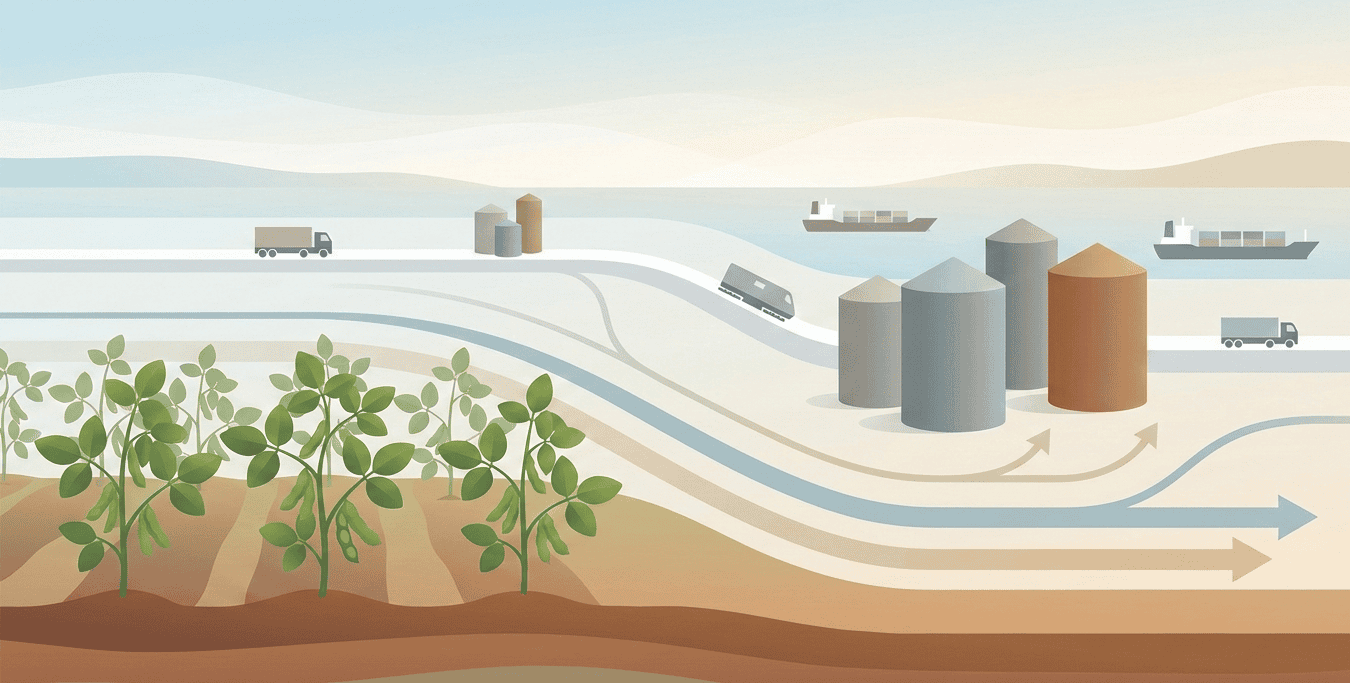
We believe sustainable soybean sourcing is the foundation of a truly good product. It’s not just a buzzword for us at SoyaMaya. It’s the daily practice of connecting our tempeh back to the soil it came from, ensuring that soil is healthy and the people who tend it are respected.
This approach creates a ripple effect, from the farm in Greensburg, Indiana, to the protein on your plate. It results in a superior ingredient and a clear conscience. Keep reading to see how this commitment shapes everything we do and why it matters for the future of food.
Key Takeaway
- Sustainable sourcing protects biodiversity and supports local economies.
- Traceability from farm to table ensures quality and ethical standards.
- Choosing responsibly sourced soy products promotes long-term agricultural health.
The Groundwork of Responsible Soy

The journey of a soybean is longer than you might think. It begins not in a factory, but in a field, where the quality of the soil dictates the quality of the final product.
Soya Maya Fresh Tempeh is made the traditional way — no preservatives, no shortcuts. Delivered to your door.
Order Fresh Tempeh →For us, sustainable soybean sourcing means starting with organic non-GMO soybeans grown by farmers who respect the land and the natural limits of the soil.
They use practices like crop rotation, which naturally replenishes the soil with nitrogen. This reduces the need for synthetic fertilizers, which is better for the environment and, we think, for the tempeh’s flavor.
| Farming Practice | What It Does | Why It Matters for Sustainability |
| Crop rotation | Alternates soybeans with other crops | Naturally restores soil nutrients and reduces pest pressure |
| Reduced synthetic fertilizers | Limits chemical nitrogen inputs | Protects soil microbes and nearby water sources |
| Conservation tillage | Minimizes soil disturbance | Prevents erosion and improves long-term soil structure |
| Cover crops | Protects soil between growing seasons | Improves water retention and supports biodiversity |
It’s a system that works with nature, not against it. This isn’t a new idea, but it’s one that got lost for a while in large-scale agriculture. We’re happy to see it making a comeback. These methods help preserve the land for future generations, a principle that guides every decision we make.
- Prioritizes soil health through natural cycles
- Reduces reliance on chemical inputs
- Builds resilience against pests and disease
This focus on the ground level is the first, and most important, step. Without it, any other claims about sustainability are built on shaky ground.
Beyond Deforestation: A Holistic View
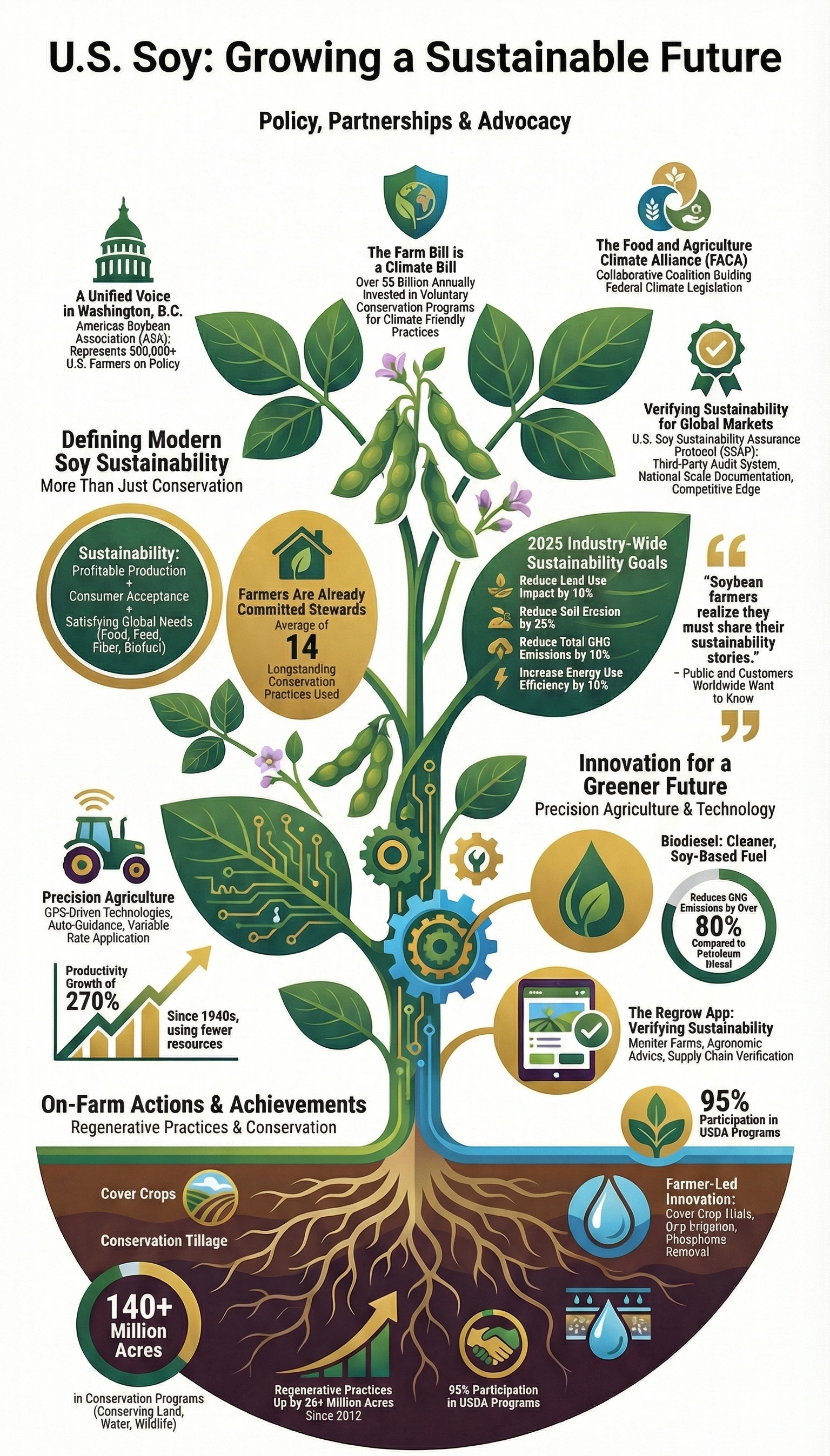
When people hear “sustainable soy,” they often think first of preventing deforestation in places like the Amazon.[1] That’s a critical global issue, but sustainability looks different in every region.
In the American Midwest, where we source our soybeans, the challenge isn’t about clearing rainforests. It’s about preventing soil degradation and protecting water quality on existing farmland.
Our approach is conversion-free, meaning we don’t support the conversion of natural ecosystems like grasslands for soy production. Instead, we work to improve what’s already here by partnering with farmers who focus on:
- Reducing erosion with cover crops and conservation tillage
- Managing nutrients to limit runoff into local rivers and streams
We also prioritize biodiversity. Healthy farms have more than just rows of soybeans. They have pollinators, beneficial insects, and wildlife. This creates a more resilient ecosystem. It’s about the entire picture, not just one single metric, so our sourcing supports long-term health in our Indiana community.
The Chain You Can Trust
How can you be sure the soy in your tempeh was grown responsibly? The answer is traceability. For us, this isn’t a complex technological puzzle. It’s about knowing our farmers personally and keeping the chain short enough that we can literally walk it.
We can trace our soybeans directly back to the farms in Greensburg and the surrounding areas. This direct relationship is our version of supply chain transparency, grounded in real conversations and real fields.
| Supply Chain Element | Our Approach | Impact on Product and Ethics |
| Farm sourcing | Direct partnerships with local Indiana farmers | Clear visibility into farming practices |
| Ingredient handling | Minimal intermediaries | Lower risk of contamination or mislabeling |
| Traceability | Farm-level identification | Verifiable sustainability and quality claims |
| Relationship model | Long-term collaboration | More stable supply and fair farmer treatment |
That traceability eliminates the mystery of where our primary ingredient comes from. It matters because we can verify farming practices firsthand. We see:
- How the fields are managed over time
- What goes into the soil and when
- How crops are harvested and stored
This level of knowledge doesn’t happen in a massive, anonymous supply chain. It’s the difference between buying from a neighbor and buying from a faceless corporation. That kind of trust isn’t a bonus for us, it’s the non-negotiable core of our brand.
The Human Element of the Harvest
Credits: Bloomberg Television
Sustainability isn’t just an environmental term. It’s a social one. Responsible soy production must include respect for the people who grow it.[2] That means more than checking a box on a form.
It means safe working conditions, fair treatment, and real relationships with the farms we rely on. It also means supporting the local economy by keeping our sourcing close to home. When you buy a bag of our tempeh, you’re supporting Indiana farmers and their families, not a distant trading desk.
This commitment to human rights is woven into our sourcing policy in practical ways, including:
- Choosing partners who share our standards on safety and fairness
- Favoring long-term contracts over short-term, lowest-cost deals
- Paying attention to how labor is recruited and treated on the farm
We believe a product can only be truly high-quality if the people behind it are treated with dignity. That care creates a more stable, reliable supply of soybeans, and it directly influences organic soybean nutrition by preserving protein quality and whole-food integrity. Happy farmers, healthy land, better tempeh on your plate.
Why Your Choice Matters
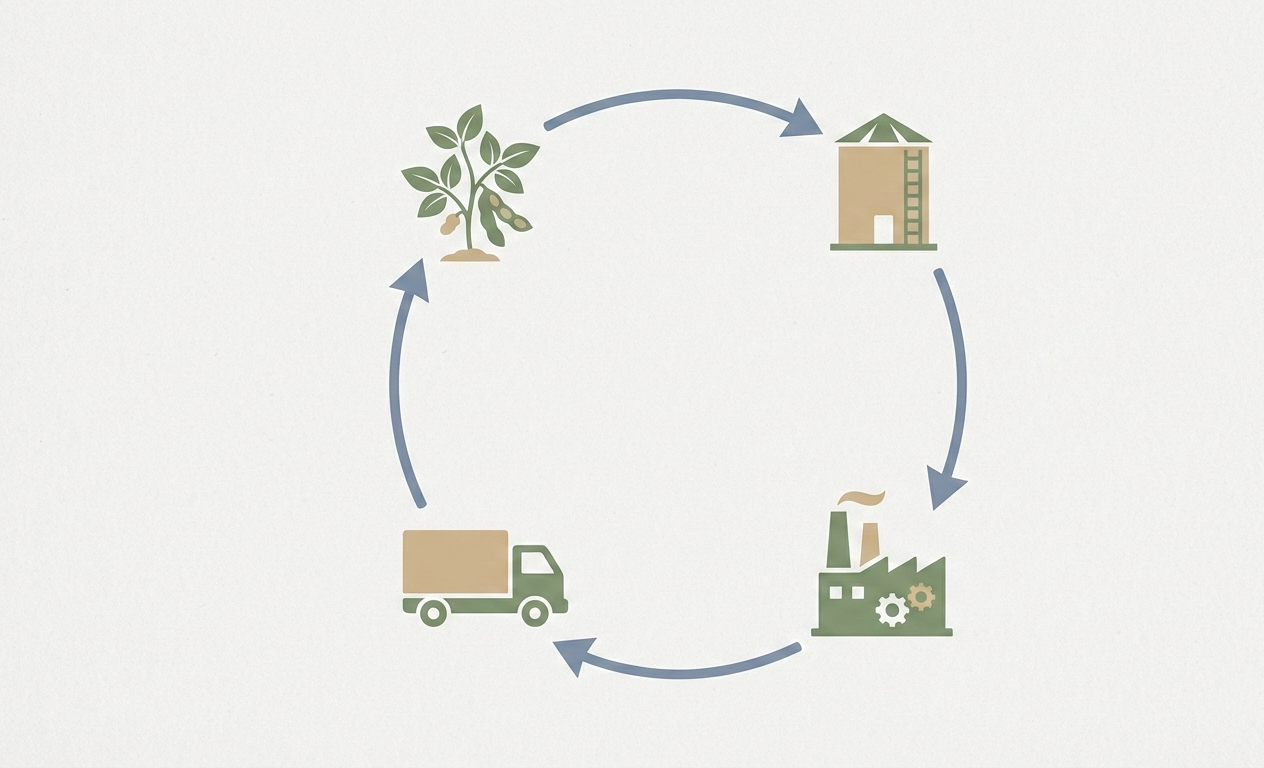
You might wonder if choosing a product made with sustainably sourced soy really makes a difference. It does. Every purchase is a signal to the market. It tells companies that consumers care about more than just the bottom line.
They care about the story behind their food and the people and places connected to it. By choosing brands that prioritize ethical sourcing, you’re supporting a food system that values environmental health and social responsibility, not just short-term gains.
This collective consumer power can drive larger changes across the entire agricultural industry. With every bag of tempeh you buy, you help:
- Encourage more farmers to adopt regenerative and conservation-minded practices
- Push companies to be more honest and open about their supply chains
- Support fair treatment and safer conditions for workers on the ground
Your decision at the grocery store or online shop has a real impact. It helps shape a future where good food and responsible sourcing mean the same thing, and choosing one always supports the other.
When you understand why organic non-GMO soybeans matter, it becomes clear how everyday food choices can support better farming practices, healthier land, and a more responsible food system.
FAQ
How does responsible soy production avoid deforestation and meet EUDR compliance rules?
Responsible soy production focuses on deforestation-free soy and conversion-free sourcing. It follows deforestation cut-off date rules under the EU Deforestation Regulation and EUDR compliance.
Tools include EUDR geo-data, IBAMA embargo compliance, and soy moratorium Brazil policies. These steps protect arable land, prevent desertification, and lower reputational risk soy in global soy trade.
What systems improve soy supply chain traceability from farms to finished products?
Soy supply chain traceability relies on soy farm traceability tools like GPS polygon mapping and satellite imagery. Blockchain soy tracking supports an audit-proof soy chain. Models include segregated soy supply and mass balance soy. These systems track direct soy sourcing, indirect soy feed, and embedded soy products across transparent soy chains.
How do sustainable soy standards address labor rights and indigenous protections?
Sustainable soy standards cover human rights soy supply and fair labor soy. They require child labor free soy, forced labor prevention, and safe working conditions. Free Prior Informed Consent supports FPIC indigenous and indigenous rights. Supplier code conduct and supplier audits soy help ensure ethical soy sourcing across regions.
What farming practices support regenerative soy farming and ecosystem health?
Regenerative soy farming uses no-till farming soy, crop rotation soybeans, and cover crops agriculture. Precision agriculture soy, precision tech soy, and data analytics agriculture improve soil health management and nutrient management farming.
These practices support biodiversity protection soy, water conservation soy, soy ecosystem health, and GHG emissions reduction soy.
Why do buyers use certifications, guidelines, and policies in soy procurement?
Buyers rely on soy value chain certification such as Round Table on Responsible Soy and RTRS certification. Guidance includes FEFAC soy guidelines, Soy Toolkit guide, and organic soy certification. A clear soy procurement policy, zero deforestation commitment, and regulatory frameworks support supply chain resilience and investor interest.
Building a Better Food System with Soy
Sustainable soybean sourcing isn’t a destination, it’s a daily practice at SoyaMaya. Every choice we make is rooted in respect for the land, the farmers who care for it, and the people who enjoy the food it produces. This commitment shapes our tempeh from seed to shelf, resulting in nourishment with integrity. The outcome is simple and real: healthier ecosystems, stronger farming communities, and food you can feel confident bringing to the table.
Explore the difference for yourself, shop our full range, from Fresh Frozen Tempeh to Tempeh Protein Chips.
References
- https://en.wikipedia.org/wiki/Amazon_soy_moratorium
- https://en.wikipedia.org/wiki/Sustainable_agriculture
Related Articles
- https://mayasaritempeh.com/organic-non-gmo-soybeans/
- https://mayasaritempeh.com/why-organic-non-gmo-soybeans/
- https://mayasaritempeh.com/organic-soybean-nutrition/
Soya Maya Fresh Tempeh
Traditionally fermented, no preservatives, shipped fresh and frozen to your door. The real deal, direct from us.
