
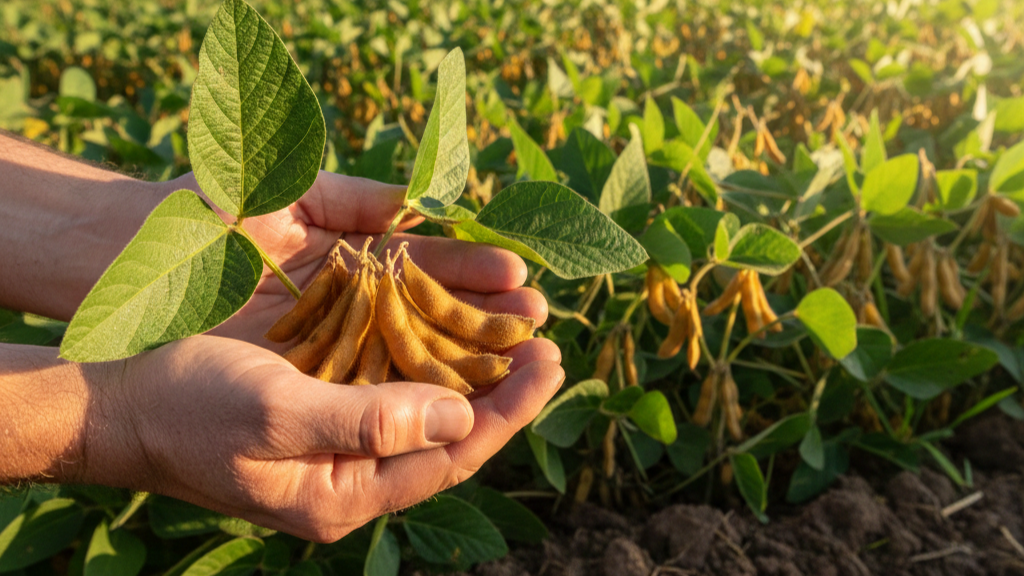
We start with the seed. That’s the foundation of everything we do. Non-GMO soybean farming isn’t a trend for us, it’s a return to the basics.[1] It means using seeds that haven’t been genetically engineered in a lab, relying instead on conventional breeding and natural resilience.
This approach lets us produce organic non-GMO soybeans that are essential for making high-quality tempeh. It’s a commitment to transparency and natural food. The process requires more attention, but the result is a product you can trust. Keep reading to understand how this choice shapes the food on your plate.
Key Takeaways
- Natural seed selection preserves genetic integrity.
- Sustainable practices build healthier soil.
- The final product offers a cleaner, purer protein source.
The Roots of Our Practice: What Non-GMO Farming Really Means
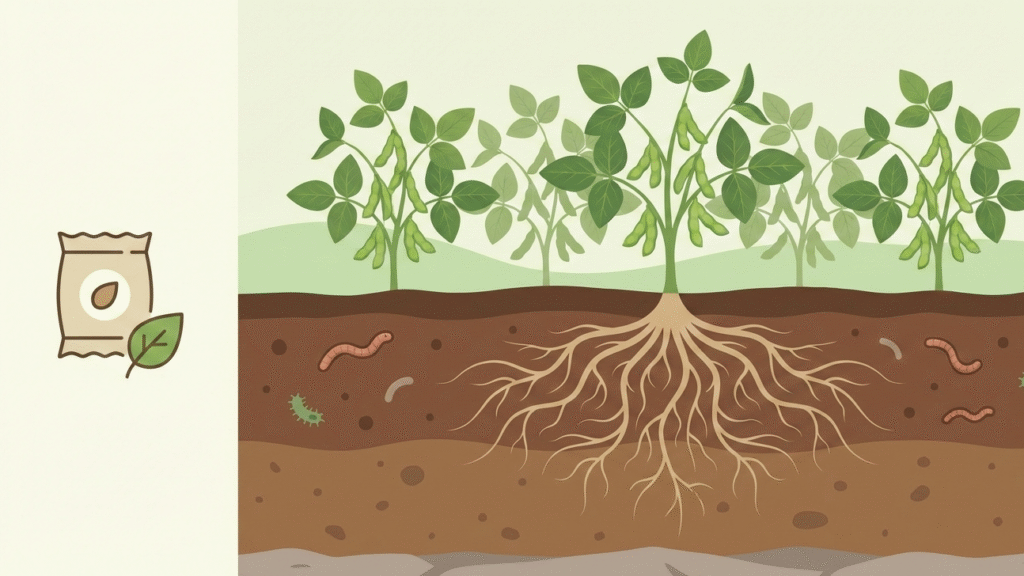
For us, non-GMO soybean farming is simply about using seeds that nature provided. We avoid genetically modified organisms entirely. This means our soybeans start with seeds shaped by traditional cross-breeding, not genetic engineering. Farmers have used these methods for generations, choosing strong plants and saving their seeds for the next season.
SoyaMaya Fresh Tempeh is made the traditional way — no preservatives, no shortcuts. Delivered to your door.
Order Fresh Tempeh →There’s no lab tinkering here, just patience and care. It’s the simplest way to understand non-GMO soybeans they grow the way crops always have, guided by nature and human hands working together. It’s a deliberate choice that aligns with our goal of creating the most natural tempeh possible.
| Aspect | Non-GMO Soybean Farming | Conventional GMO Soybean Farming |
| Seed Development | Traditional cross-breeding | Genetic engineering in laboratories |
| Genetic Integrity | Preserved natural genetics | Altered at the DNA level |
| Herbicide Dependence | Limited, selective use | Often designed for herbicide tolerance |
| Seed Saving | Seeds can be saved and replanted | Seeds typically cannot be reused |
| Transparency | Clear, verifiable sourcing | Complex supply chains |
This commitment extends to our entire growing process. We partner with farmers who share our values, focusing on sustainable methods that work with the environment. The soybeans are grown without the herbicide-tolerant traits common in modern agriculture. It’s a more hands-on approach, one that we believe results in a superior base for our products.
We see it as a form of preservation. By choosing non-GMO seeds, we help maintain agricultural biodiversity. This isn’t just about avoiding something, it’s about actively supporting a healthier food system. The beans that become our Fresh Frozen Tempeh are a direct result of this philosophy.
- Seed Integrity: We source from verified non-GMO seed suppliers.
- Natural Adaptation: Our chosen varieties are suited to the local Indiana climate.
- Market Demand: This practice directly responds to consumers seeking cleaner ingredients.
How We Cultivate for Quality and Sustainability
Credits: Ellen Mallory
Cultivating non-GMO soybeans means we lean on older skills, not quick chemical fixes. We use practices that respect the soil, the seasons, and the final taste on your plate.
- Crop rotation sits at the core. By rotating soybeans with other crops, we break pest cycles, rebuild soil fertility, and cut down on outside inputs.[2]
- Cover crops like clover and alfalfa protect bare ground, hold moisture, and feed the soil between soybean seasons.
Those cover crops aren’t grown for harvest, they’re grown for the land. They stop erosion, help block weeds, and return organic matter to the field, which sets up the next soybean crop.
| Farming Practice | Purpose | Benefit for Tempeh Quality |
| Crop Rotation | Breaks pest cycles | Healthier, more consistent soybeans |
| Cover Crops | Protects and enriches soil | Improved nutrient density |
| Mechanical Weeding | Reduces chemical reliance | Cleaner raw ingredients |
| Non-GMO Seed Selection | Natural plant resilience | Better fermentation performance |
For weeds, we rely on:
- Mechanical cultivation
- Older-generation herbicides only when absolutely necessary
We also choose soybean varieties with natural resistance to pests and early maturity, so they fit our growing window and consistently meet our standards for tempeh.
The Tangible Benefits of Choosing Non-GMO
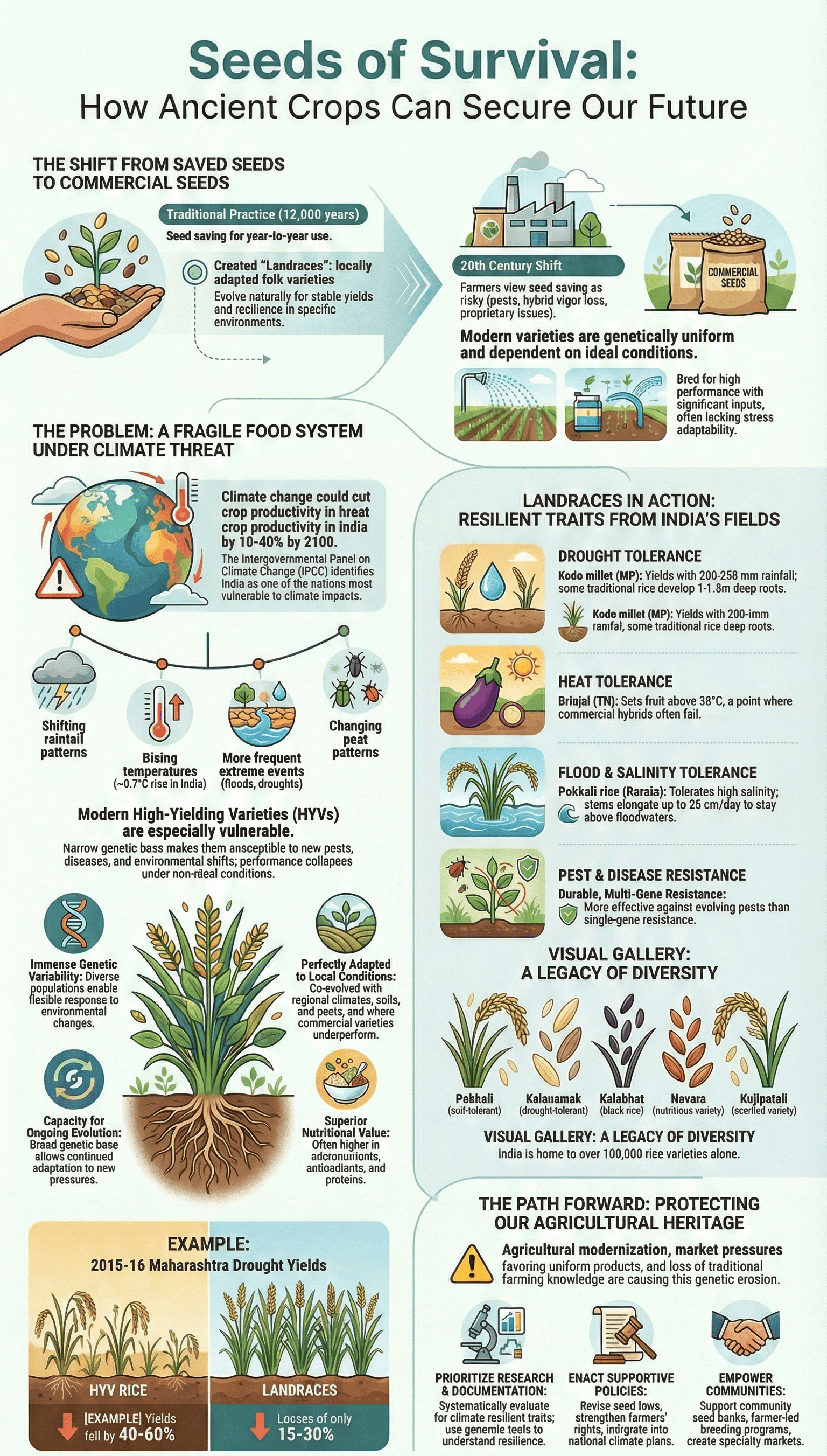
The advantages of this farming method are felt from the field to your kitchen. One of the most significant benefits is the ability to save seeds. Farmers can save seeds from their strongest plants and plant them again next season. Over time, this helps crops learn the land they grow in. The soybeans slowly adjust to the soil, weather, and rhythms of the place they call home.
This creates a resilient agricultural system that can better withstand climate variations. From a consumer perspective, you’re getting a product with natural genetic integrity. The soybeans haven’t been artificially altered.
For people who care about their health or follow certain diets, this kind of honesty matters. It helps them feel confident about what they’re eating and where it comes from. It’s the reason we can confidently say our tempeh is a pure, whole-food protein source, and why organic non-GMO soybeans matter to people who care about transparency and clean labels.
Perhaps the most profound benefit is the environment. Non-GMO farming, especially when combined with organic practices, supports greater biodiversity. It avoids the potential risks associated with widespread pesticide use on GMO crops.
This approach contributes to healthier soil, cleaner water, and a more balanced ecosystem. It’s a way of farming that looks to the future, ensuring the land remains productive for generations to come.
The Growing Promise of Non-GMO Soy
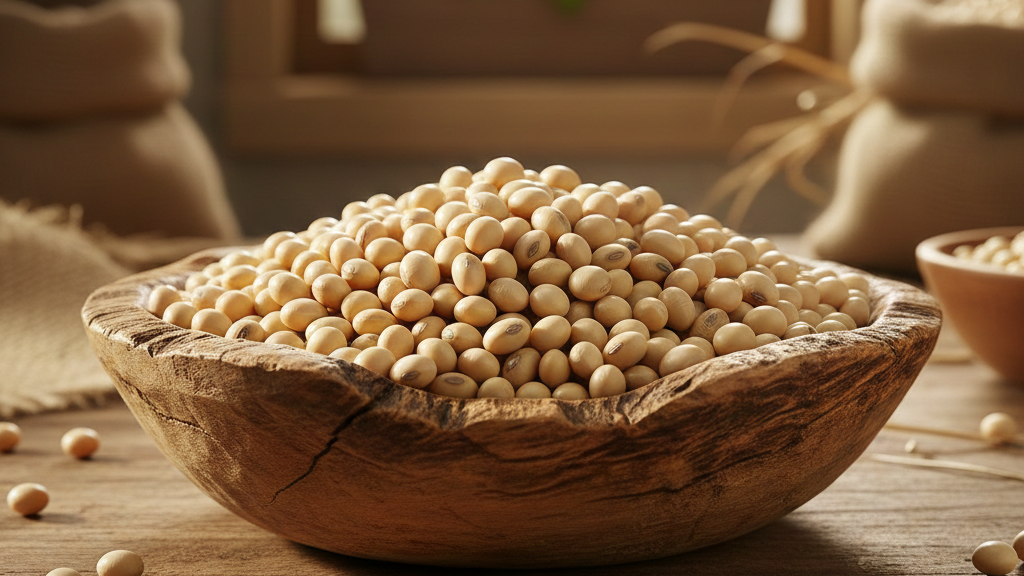
While non-GMO soybean farming is still a niche in the larger agricultural landscape, its stability is notable. Production levels, representing about 2% of U.S. soybeans, have held steady. This consistency is backed by growing consumer awareness and demand for clearly labeled, non-GMO products.
People are more interested than ever in where their food comes from and how it’s produced. Investment continues to flow into non-GMO seed development, particularly for high-protein varieties. These advancements are crucial for meeting the needs of the plant-based protein market.
Regions like Brazil have seen significant growth in non-GMO production, driven by both domestic and international demand. This global trend underscores a shift towards more conscious consumption.
The demand for verified non-GMO labels is a powerful market force. It’s no longer just a niche concern but a mainstream preference for many. This trend is fueled by a combination of health considerations and environmental awareness.
As a company at the beginning of the supply chain, we see this demand firsthand. It validates our decision to build our brand on a foundation of natural, non-GMO soybeans.
FAQ
What makes non-GMO soybeans different from conventional soybean cultivation?
Non-GMO soybeans come from GMO-free soybean seeds developed through traditional soy breeding. Farmers use non-GMO soy farming methods similar to conventional soybean cultivation but avoid genetic engineering.
Many choose non-GMO soy varieties for cleaner food, stable flavor, and clear labeling. These beans support high protein non-GMO soy uses such as tofu non-GMO soy, soy milk production, and plant-based soy products.
Is organic vs non-GMO soy better for soil health and sustainability?
Organic vs non-GMO soy depends on farming rules and inputs. Organic soy production bans synthetic pesticide soy and requires organic certification. Non-GMO focuses on avoiding genetic engineering but may allow some inputs.
Both systems can support sustainable soy farming using soybean crop rotation, cover crop soy rotation, compost fertilized soy, manure soy farming, and soil health soybeans practices.
How do farmers ensure GMO contamination prevention in identity preserved soybeans?
Farmers prevent GMO contamination through soy field separation and identity preserved soybeans systems, also called IP soybeans. Clean harvest soy is critical, so growers use flush run combines before non-GMO harvests.
Separate storage, transport, and records protect identity preserved soy and support non-GMO soy certification or Non-GMO Project Verified supply chains for non-GMO export soy markets.
Do non-GMO soy yields suffer due to higher soy production costs?
Non-GMO soy yields vary by region, weather, and seed access. Some farmers face higher soy production costs and limited non-GMO seed availability. However, locally adapted soy, early maturity soy varieties, soy cyst nematode resistance, and climate resilient soybeans help stabilize harvests while supporting biodiversity soy farming, sustainable agriculture soy, and soil degradation avoidance.
Why is non-GMO soy market demand rising for plant-based soy products?
The non-GMO soy market grows due to consumer soy preferences and non-GMO label demand. Food makers supply premium soy markets, Asia soy demand, and non-GMO export soy.
Uses include soy protein concentrate, SPC soymeal, Hi-Pro soymeal, tofu non-GMO soy, soy milk production, vegan soy alternatives, and other plant-based soy products shaped by soybean market trends and GMO health risks concerns.
Your Connection to Cleaner Soy Farming
Understanding non-GMO soybean farming reveals the care that goes into your food before it even reaches our kitchen. It’s a process defined by patience, respect for nature, and a commitment to purity. These principles are not abstract, they are baked into every block of tempeh we make. This method ensures the soy protein you enjoy is as close to its natural state as possible.
The choice for us was clear. We wanted to create a product that we would be proud to serve our own families. That starts with the raw ingredient. By supporting non-GMO agriculture, you’re participating in a food system that values transparency and sustainability. You’re choosing a protein source that aligns with a healthier lifestyle and a healthier planet.
Ready to taste the difference that non-GMO soybeans make? See the result for yourself in our range of tempeh products.
References
- https://en.wikipedia.org/wiki/Genetically_modified_organism
- https://en.wikipedia.org/wiki/Crop_rotation
Related Articles
- https://mayasaritempeh.com/organic-non-gmo-soybeans/
- https://mayasaritempeh.com/what-are-non-gmo-soybeans/
- https://mayasaritempeh.com/why-organic-non-gmo-soybeans/
SoyaMaya Fresh Tempeh
Traditionally fermented, no preservatives, shipped fresh and frozen to your door. The real deal, direct from us.
