
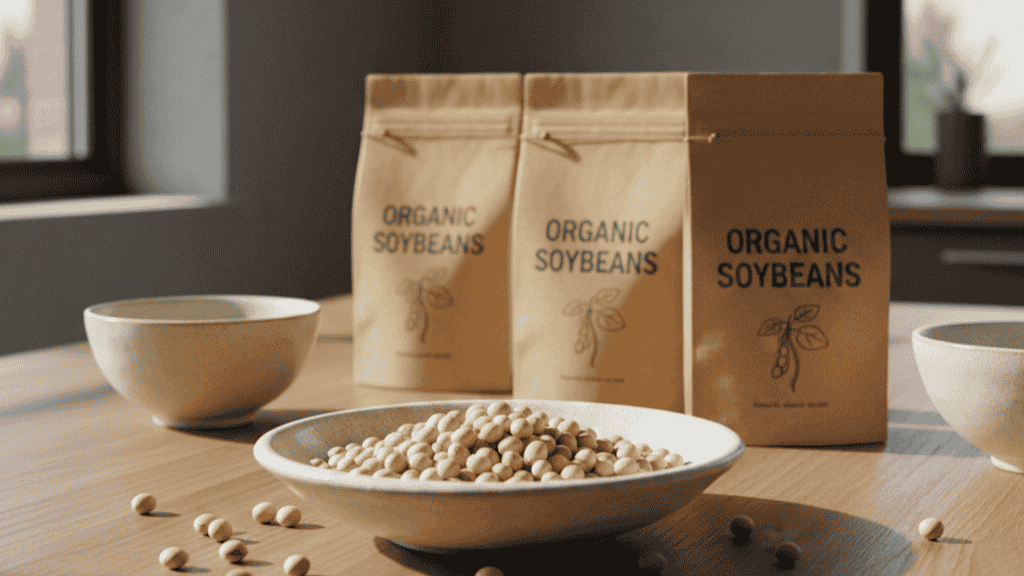
We know how hard it is to find organic soybean brands you can actually trust. The label “organic” gets slapped on everything, but what does it really mean for the soybeans you use to make tempeh or tofu? The best organic soybeans come from North American farms, are completely free of GMOs and harmful solvents, and are grown with a commitment to soil health.
This isn’t just about a certification; it’s about a transparent supply chain that results in a better-tasting, more nutritious product. We’ve sifted through the ratings and our own experience to guide you to brands that live up to their promises. Keep reading to find soybeans that make a real difference in your kitchen.
Key Takeaways
- Prioritize brands with verified North American sourcing and high Cornucopia Institute scores.
- Match the bean to your purpose: whole beans for cooking, specific varieties for tempeh or soy milk.
- True quality means no GMOs, no chemical solvents, and full transparency from farm to package.
What Makes an Organic Soybean Brand Stand Out
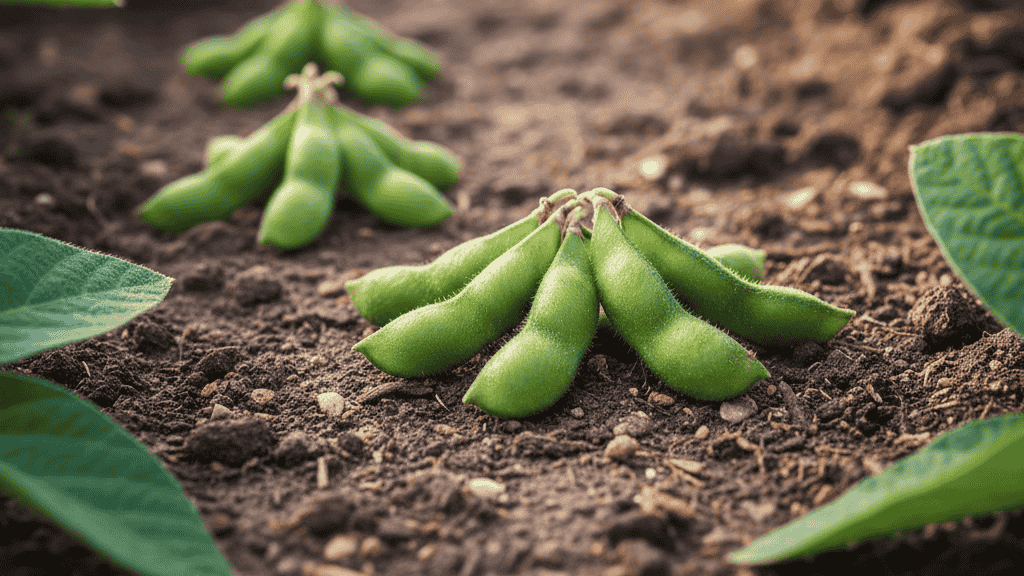
It really does begin with the soil. Not as a catchy phrase, but as a daily habit. Organic farming rebuilds soil so it can feed the plant slowly and steadily, hold water longer, and support calmer, healthier growth.[1]
Soya Maya Fresh Tempeh is made the traditional way — no preservatives, no shortcuts. Delivered to your door.
Order Fresh Tempeh →That kind of patience shows up later in both flavor and nutrition. Still, an organic stamp on the bag doesn’t tell the whole story. What matters is how much a company is willing to explain, because sustainable soybean sourcing reflects long-term grower relationships, soil care, and a refusal to cut corners.
| Quality Indicator | Why It Matters | What It Signals |
| Transparent Farm Sourcing | Reduces supply chain ambiguity | Long-term grower relationships |
| North American Origin | Tighter organic oversight | Stronger compliance and freshness |
| Verified Non-GMO Testing | Prevents genetic drift | Ingredient integrity |
| Solvent-Free Processing | Avoids chemical residue | Cleaner flavor and nutrition |
| Soil-Focused Farming | Supports slow, healthy growth | Better taste and bean behavior |
The ones that truly stand out usually share a few quiet patterns:
- Specific sourcing details, not vague “from many regions” language
- North American farms, often under tighter organic oversight
- Verified non-GMO status, backed by actual testing
- Solvent-free processing, skipping chemicals like hexane
None of these choices are loud or glamorous. They cost more, they take longer, and that’s exactly why they’re worth paying attention to. Independent standards and scorecards can help separate genuine long-term commitment from clever marketing.
When a producer scores well on those deeper checks, ownership, farming methods, and transparency, it usually means they treat organic rules as a starting point, not the final goal.
A Look at Trusted Organic Soybean Suppliers
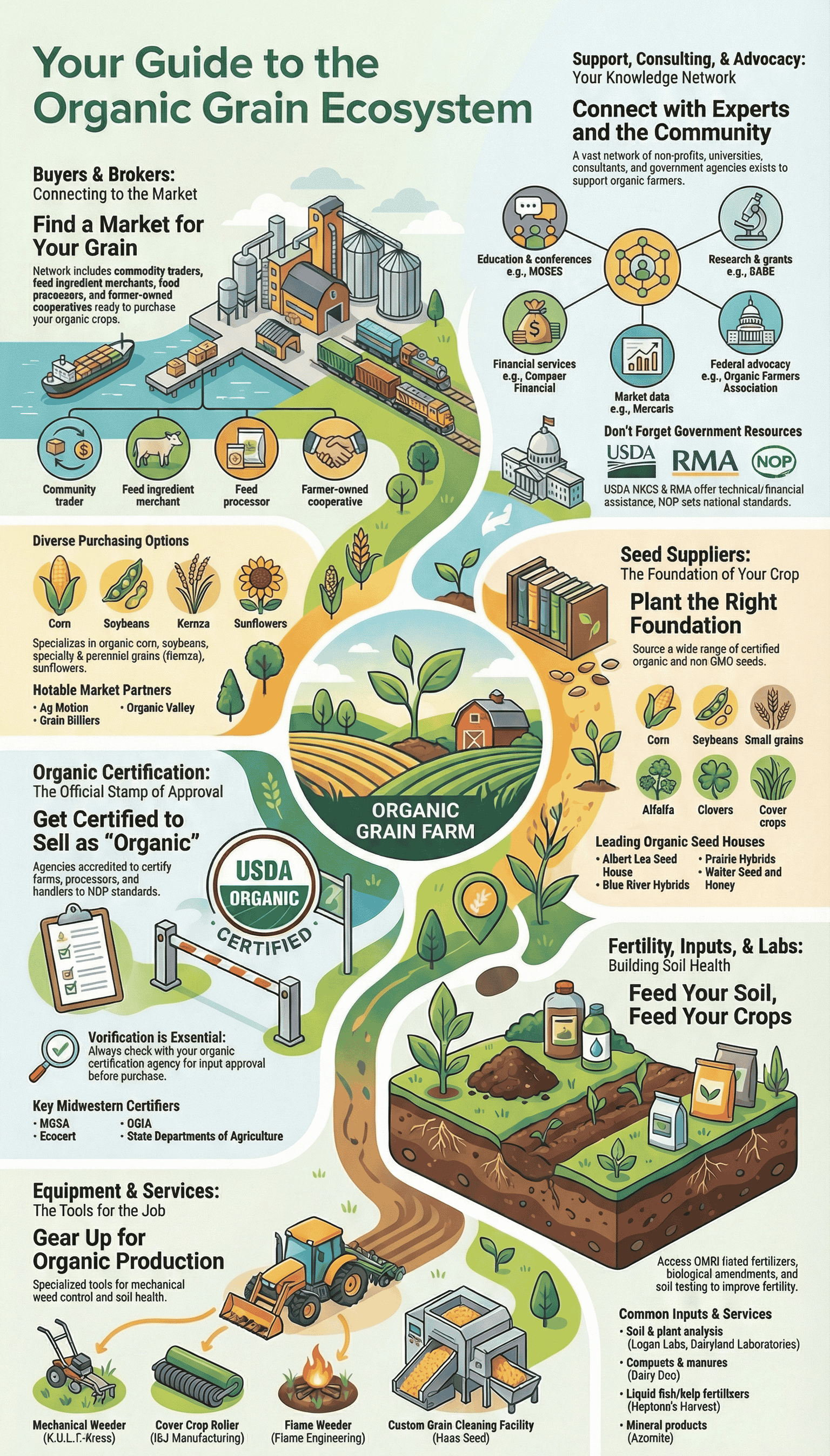
Some organic soybean suppliers build trust quietly, over seasons rather than slogans. What sets them apart isn’t flash, but follow-through. They source carefully, store properly, and resist shortcuts that dull flavor or weaken structure.
Established suppliers with wider distribution tend to focus on reliability. Their beans are consistent, clean, and suited for everyday kitchen work like soy milk or tofu. You can plan around them, batch after batch.
Smaller operations often shine on freshness. Recently harvested beans, handled in tighter cycles, behave better when soaked and cooked. This matters most for fermentation, where timing and bean integrity shape the final result.
You’ll also find strong regional players with loyal followings:
- Suppliers focused on fermented soy traditions
- Local producers making fresh soy staples
- Farm-linked sources serving nearby buyers
For frequent use, bulk-oriented suppliers play a role:
- Large-format dry beans
- Neutral, adaptable flavor
- Reliable performance across recipes
In the end, good suppliers reveal themselves in the pot.
How to Choose the Right Beans for Your Needs
Credits: Soybean Science For Success
| Intended Use | Ideal Bean Characteristics | Why It Matters |
| General Cooking | Whole, uniform size | Even cooking and intact texture |
| Soy Milk | Mild flavor, lighter body | Smoother milk with clean taste |
| Tofu | Medium protein density | Balanced firmness and yield |
| Tempeh / Fermentation | Consistent size, intact skins | Predictable fermentation and structure |
Your choice should hinge on what you plan to make. Soybeans behave differently once water, heat, or fermentation enters the picture. Beans meant for a salad need to hold their shape. Beans destined for milk need to soften and blend without turning gritty.
Fermentation is especially sensitive to bean quality, and starting with organic non-GMO soybeans helps ensure predictable cultures, intact skins, and a clean, stable ferment. Pause before buying and imagine the finished dish. That small step prevents most kitchen disappointments.
A few simple guidelines help:
- For boiling and general cooking: Choose whole, evenly sized organic soybeans so they cook at the same pace and stay intact.
- For soy milk: Look for beans with a mild flavor and lighter body, which blend into a smoother, cleaner-tasting milk.
- For fermentation: Certain varieties bind better and ferment more predictably, producing a firm texture and gentle, nutty aroma.
Availability matters too. Widely distributed beans are convenient, but smaller regional growers often deliver fresher harvests. Independent farm scorecards can offer reassurance, high ratings usually reflect careful soil management and honest sourcing. The right bean fits your recipe, your values, and how you cook.
The Real-World Impact of Your Soybean Choice
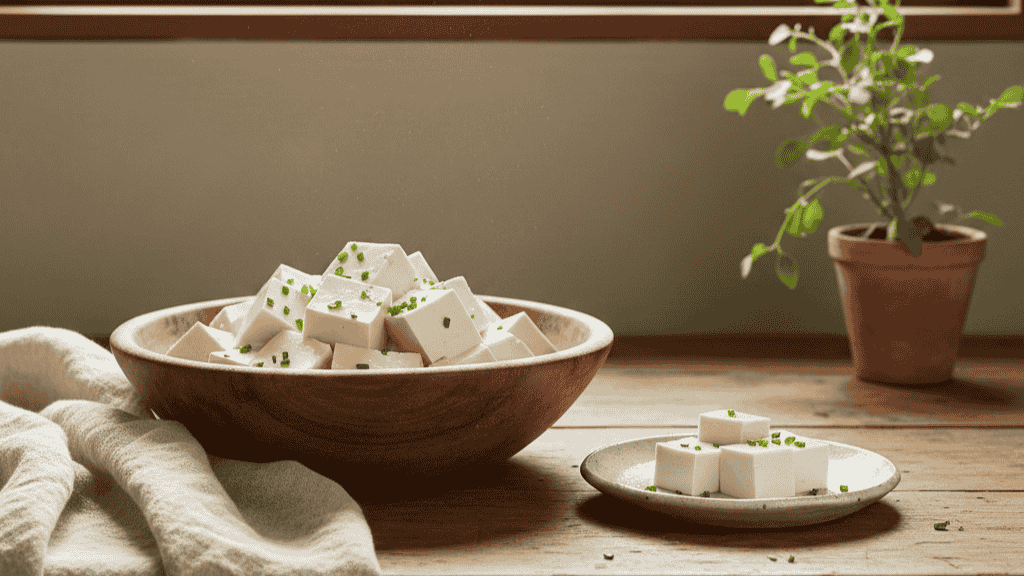
When you choose a high-quality organic soybean, you’re not just buying an ingredient. You’re backing farming practices that respect the land instead of rushing it. Organic growers focus on soil health, crop rotation, and patience, which leads to beans that develop fully and behave better in the kitchen.
That care shows up when you soak them. They soften evenly, cook through without cracking, and keep their shape instead of turning grainy. Flavor is where the difference becomes clear. Organic soybeans have a clean, mildly nutty taste that doesn’t disappear once you start cooking.[2] In tofu or tempeh, they create a base with its own quiet depth, not something flat that needs fixing.
Nutrition follows naturally, with organic soybean nutrition delivering complete protein, fiber, and beneficial isoflavones without chemical residue or heavy processing. The choices made in the field carry all the way to your plate, shaping meals that feel intentional, steady, and worth the extra care.
FAQ
How do organic soybean brands differ in quality and sourcing?
Organic soybean brands differ by farm practices, testing, and traceability. Look for certified organic soybeans, non-GMO organic soybeans, and GMO-free soybeans.
Trusted organic soy suppliers share identity preserved soy details, food grade organic soy standards, and North American organic soy or US grown soybeans sourcing. These factors support organic soy farming, pesticide-free soybeans, and consistent protein quality.
Which soybeans work best for tofu, tempeh, and home cooking?
For organic soy for tofu and tofu making soybeans, choose whole organic soy beans with clear hilum soybeans or yellow hilum soy. Organic soybeans for tempeh need high protein organic soy and tempeh starter soybeans. For organic soy for cooking, dry organic soybeans and home use organic soy offer clean flavor and reliable texture.
What nutrition benefits should I expect from top organic soybeans?
Top organic soybeans provide complete protein soy, fiber soybeans organic, and iron rich organic soy. Many also contain isoflavone rich soy, omega-3 soybeans, and low fat organic soy. These organic soy health benefits support vegan soy protein needs and plant-based soy brands without heavy processing.
How can buyers check sustainability and farming claims?
Check certified organic soybeans labels and independent tools like the Cornucopia soy scorecard. Some farms use regenerative organic soy, biodynamic soybeans, or heirloom soybeans organic practices. Sustainable soy brands explain soil care, water use, and audits clearly. This helps readers compare organic soy reviews and top rated soy brands fairly.
What should bulk buyers and specialty users look for?
Bulk organic soy beans and bulk buy soybeans should be identity preserved soy and food grade organic soy. For fermented soy organic uses, look for natto organic soy, miso soy brands, and soy for sprouting organic. Soy milk organic brands, soy yogurt brands, and soy sauce organic brands need clean, consistent beans.
Your Next Step with Confident Organic Soy
The journey to better soy products begins with the bean. By focusing on brands that prioritize transparent sourcing, rigorous non-GMO standards, and sustainable practices, you elevate everything you make. You move from uncertain ingredients to foundational elements you can trust.
For us, this philosophy is everything. Our own Fresh Frozen Tempeh starts with these same principles, carefully sourced organic soybeans we’re proud to transform. It’s why we’re so passionate about the topic. If you’re ready to experience the difference that quality soybeans make, you can see our approach firsthand.
Explore our shop to see how we put these principles into practice.
References
- https://en.wikipedia.org/wiki/Organic_food
- https://en.wikipedia.org/wiki/Organic_beans
Related Articles
- https://mayasaritempeh.com/organic-non-gmo-soybeans/
- https://mayasaritempeh.com/organic-soybean-nutrition/
- https://mayasaritempeh.com/sustainable-soybean-sourcing/
Soya Maya Fresh Tempeh
Traditionally fermented, no preservatives, shipped fresh and frozen to your door. The real deal, direct from us.
