
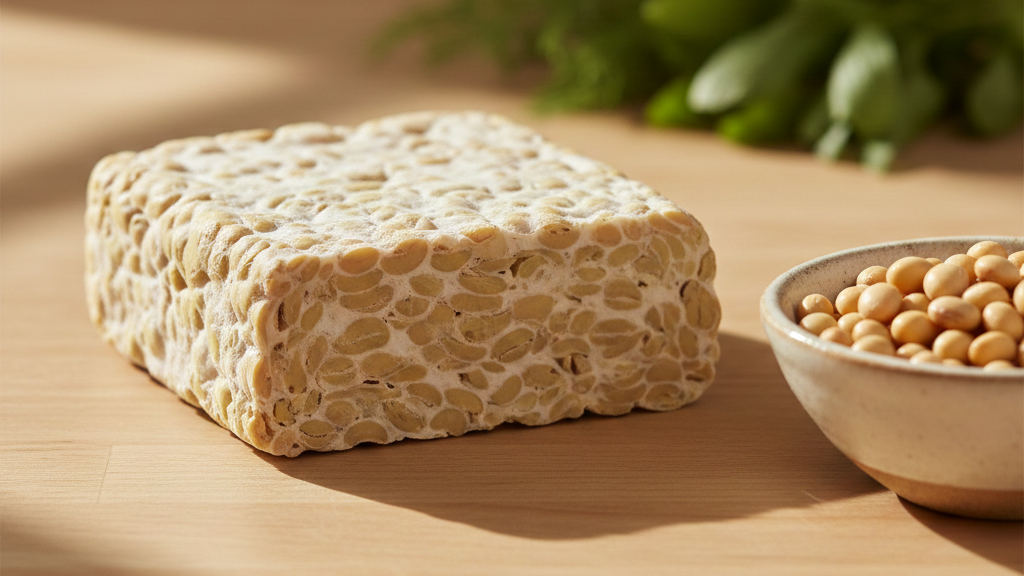
You’re looking at a block of tempeh and wondering, is this really a source of B12? The answer is yes, but it’s a bit more complicated than that. B12 tempeh is simply tempeh that contains active vitamin B12, a crucial nutrient for energy and nerve health.[1]
This B12 comes from specific bacteria involved in the fermentation process, making it a standout option for anyone following a plant-based diet. We’ll break down exactly how it works, from the science in the fermentation vat to the benefits on your plate. Keep reading to understand why this fermented food is more than just a meat substitute.
Key Takeaways
- B12 in tempeh originates from bacterial activity during fermentation, not the primary mold.
- Fortified B12 tempeh offers a more reliable intake than naturally occurring versions.
- Regular consumption supports energy levels, brain function, and overall vegan health.
Defining B12 Tempeh and Its Role
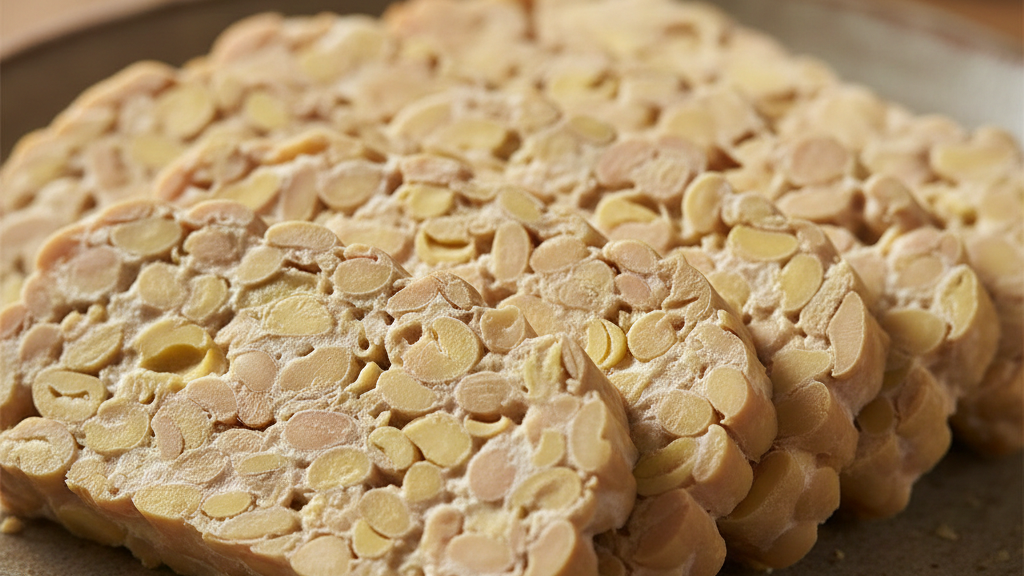
Tempeh itself is a traditional food from Indonesia. It’s made by fermenting cooked soybeans with a culture called Rhizopus oligosporus. This process binds the beans into a firm, nutty cake. B12 tempeh is this same food, but with an extra benefit. The vitamin B12 is produced by other bacteria that can be present during this fermentation.
SoyaMaya Fresh Tempeh is made the traditional way — no preservatives, no shortcuts. Delivered to your door.
Order Fresh Tempeh →Vitamin B12 is essential for your body. It helps make red blood cells and keeps your nervous system functioning properly. For vegans, finding reliable sources of B12 for vegans can be a challenge since the vitamin is predominantly found in animal products. This makes B12 tempeh a valuable addition to a plant-based diet.
- Primary Function: Supports nerve health and energy production.
- Vegan Importance: Acts as a whole-food source to prevent deficiency.
- Production Note: The B12 is a byproduct of a specific bacterial fermentation.
We’ve seen firsthand how incorporating this nutrient-dense food can make a difference. It’s not just about avoiding deficiency, it’s about thriving.
Natural vs. Fortified: Where the B12 Comes From
| Aspect | Naturally Occurring B12 Tempeh | Fortified B12 Tempeh |
| Source of B12 | Naturally present bacteria during fermentation | Added vitamin B12 during production |
| B12 Consistency | Highly variable between batches | Consistent and standardized |
| Reliability for Vegans | Low to moderate | High |
| Label Transparency | Often unclear or unlisted | Clearly stated on packaging |
| Best For | Traditional or artisanal food exploration | Nutritional planning and deficiency prevention |
There are two main ways tempeh gets its B12. The first is natural occurrence. In traditional settings, bacteria like Klebsiella pneumoniae or Citrobacter freundii can be present. These microbes produce B12 as they work alongside the main tempeh mold.
The problem is, this isn’t a controlled process. The amount of B12 can vary dramatically from one batch to another. You might get a good amount one week and very little the next.
The second method is fortification, where producers add a standardized amount of vitamin B12 to create B12 fortified tempeh that delivers a reliable dose in every serving. This ensures that every serving delivers a reliable dose. It’s a practical approach for those who need to monitor their intake closely.
When you’re choosing a product, the label is your best friend. Look for clear information about B12 content to know what you’re getting. We focus on a consistent fermentation process to promote the development of nutrients. It’s about creating a product you can count on.
The Science Behind the Fermentation
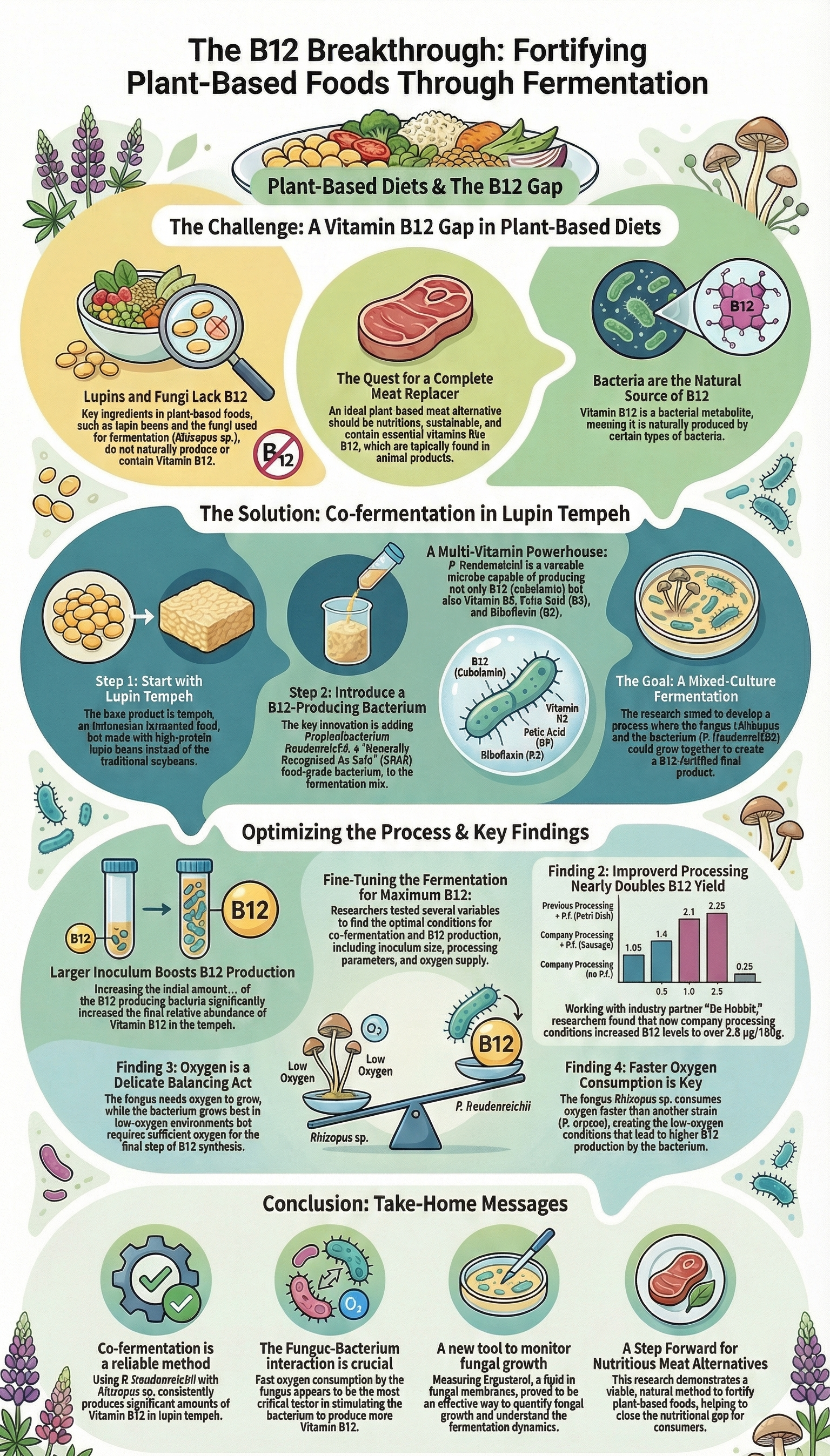
The journey to B12 tempeh starts with whole soybeans. They are soaked, cooked, and then inoculated with the Rhizopus oligosporus mold culture. This mold is the workhorse, it spreads its thread-like mycelium throughout the beans, creating the familiar solid cake. But the mold itself doesn’t produce B12. The magic for B12 happens thanks to specific bacteria.
In a controlled environment, producers might introduce B12-producing bacteria like Propionibacterium freudenreichii. These bacteria are co-fermented with the soybeans and mold. They actively synthesize vitamin B12 during the 24 to 48-hour fermentation period. This method can yield a much higher and more predictable level of the vitamin compared to incidental contamination.
- Starter Culture: Rhizopus oligosporus creates the tempeh structure.[2]
- B12 Producers: Bacteria like Propionibacterium generate the vitamin.
- Time Factor: A proper fermentation period is crucial for nutrient development.
It’s a fascinating dance between mold and bacteria. Getting the conditions just right is what transforms simple soybeans into a nutritional powerhouse.
A Closer Look at the Nutritional Powerhouse
| Nutrient | Approximate Amount | Key Benefit |
| Protein | ~19 g | Muscle repair and satiety |
| Fiber | ~8.5 g | Digestive and gut health |
| Iron | ~2.7 mg | Oxygen transport and energy |
| Calcium | ~110 mg | Bone strength |
| Magnesium | ~80 mg | Metabolic and nerve function |
| Vitamin B12* | Varies by product | Nerve health and red blood cell production |
When you eat a 100-gram serving of tempeh, you’re getting a lot more than just the potential for B12. You’re getting a complete protein, meaning it contains all the essential amino acids your body needs. That’s around 19 grams of protein, which is fantastic for muscle repair and keeping you full. It’s also a great source of fiber, about 8.5 grams, which is wonderful for digestive health.
The mineral content is impressive too. You’ll find a significant amount of iron, which is another nutrient vegans need to be mindful of. There’s also calcium for bone health and magnesium for hundreds of biochemical reactions in your body. The fermentation process even reduces phytic acid, a compound that can block mineral absorption, making all these nutrients more available for your body to use.
We believe food should be nourishing. That’s why we start with organic Indiana soybeans, supporting local agriculture while bringing you a superior product.
How B12 Tempeh Benefits Your Body
Credits: Medical Centric Podcast
The combination of nutrients in B12 tempeh offers a wide range of health benefits. The most direct benefit comes from the B12 itself. Adequate B12 intake helps prevent anemia by supporting red blood cell formation.
It also plays a key role in mood regulation and cognitive function, helping to keep your mind sharp. Some research suggests it contributes to bone density as well.
Then there are the benefits from the soy and fermentation. The isoflavones in soy can help manage cholesterol levels. The probiotics created during fermentation support a healthy gut microbiome. The high protein and fiber content can aid in weight management by promoting satiety. It’s a food that works for you in multiple ways.
- Energy & Blood Health: B12 is vital for preventing fatigue and anemia.
- Gut Support: Natural probiotics aid digestion.
- Heart Health: Soy isoflavones can help maintain healthy cholesterol.
It’s one of those foods that makes you feel good after eating it. You’re satisfied, but not sluggish, and you know you’ve fueled your body well.
Making B12 Tempeh a Part of Your Life

So, how much should you eat? While there’s no one-size-fits-all answer, understanding the recommended B12 intake can help you decide how often to include B12 tempeh in your weekly meals. It’s versatile in the kitchen. You can marinate it and pan-fry it until crispy, crumble it into a chili or pasta sauce, or bake it and add it to a salad.
For vegans, it’s wise to have multiple sources of B12. Nutritional yeast and fortified plant milks are other good options. But B12 tempeh offers the advantage of being a whole food. It’s perfect for anyone looking to reduce their meat consumption, manage their weight, or simply eat more fermented foods for gut health. It’s especially beneficial for those at risk of B12 deficiency.
We love it sliced thin, brushed with a little tamari, and baked until it becomes chewy and crisp. It’s a simple way to enjoy its unique texture and flavor.
FAQ
What is tempeh vitamin B12, and how does tempeh fermentation B12 actually happen?
Tempeh vitamin B12 comes from tempeh fermentation B12, not from soy itself. During tempeh mold fermentation B12, microbes grow with Rhizopus oligosporus B12 on fermented soy B12. Some bacteria, known as tempeh production B12 bacteria, can produce small amounts of B12. This process can create natural B12 tempeh under specific conditions.
Is B12 fortified tempeh different from natural B12 tempeh?
Yes. B12 fortified tempeh has vitamin B12 added after fermentation. Natural B12 tempeh depends on tempeh bacterial strains B12 formed during controlled fermentation B12. Homemade B12 tempeh often has uneven levels. Commercial B12 tempeh may be tested for soy tempeh B12 content and clearer tempeh RDA B12 values.
Which microbes are linked to tempeh fermentation B12 production?
Tempeh mold fermentation B12 uses Rhizopus oligosporus B12 as the main mold. Some studies mention Propionibacterium tempeh, Citrobacter freundii tempeh, and Klebsiella pneumoniae tempeh. These tempeh bacterial strains B12 may increase micrograms B12 tempeh or nanograms B12 tempeh, but results vary by production method.
Can vegan diet tempeh B12 help prevent B12 deficiency?
Vegan diet tempeh B12 may help, but it should not be the only source. Tempeh nutrition B12 levels are often low. Tempeh B12 studies and tempeh B12 research show mixed results. Vegan B12 source tempeh can support tempeh vitamin intake, but supplements or fortified foods remain more reliable.
Does Indonesian tempeh B12 offer extra health benefits beyond protein?
Indonesian tempeh B12 provides tempeh protein B12 and is cholesterol free tempeh B12. It also offers tempeh iron calcium B12, tempeh fiber B12, tempeh folate B12, and tempeh isoflavones B12. These nutrients support tempeh gut health B12, tempeh bone health B12, and tempeh anemia prevention.
Your Next Steps with B12 Tempeh
Understanding B12 tempeh helps you make confident nutrition choices. This fermented soy food offers plant-based protein, fiber, probiotics, and vitamin B12, supporting energy, bone health, and overall wellness. Whether naturally cultured or carefully crafted, B12 tempeh fits beautifully into everyday meals, especially plant-based diets. The best way to know is to try it, cook with it, and notice how your body responds. Explore SoyaMaya’s Fresh Frozen Tempeh & Protein Tempeh Chips.
References
- https://en.wikipedia.org/wiki/Vitamin_B12
- https://en.wikipedia.org/wiki/Rhizopus_oligosporus
Related Articles
- https://mayasaritempeh.com/b12-for-vegans/
- https://mayasaritempeh.com/b12-fortified-tempeh/
- https://mayasaritempeh.com/recommended-b12-intake/
SoyaMaya Fresh Tempeh
Traditionally fermented, no preservatives, shipped fresh and frozen to your door. The real deal, direct from us.
