
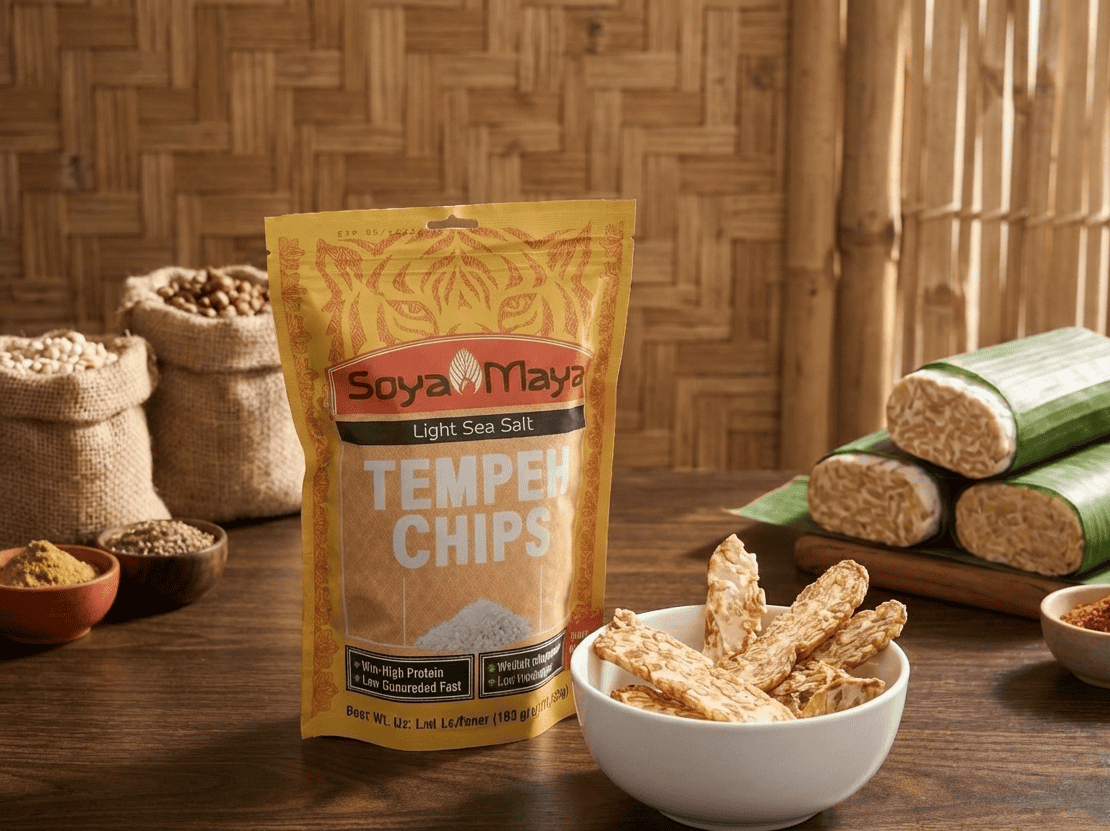
You just opened a bag of our plant-based tempeh chips, and they’re perfectly crisp. The real trick is keeping them that way for days, maybe even weeks. Proper tempeh chip storage isn’t just about avoiding waste, it’s about preserving that satisfying snap and rich, nutty flavor every single time you reach for a snack.
We’ve learned a thing or two about this through years of crafting our own chips, and it boils down to controlling three simple enemies: air, moisture, and light. If you want your next handful to be as good as the first, the following guidelines will show you exactly how. Let’s get into the details.
Key Takeaways
- An airtight container is your best defense against staleness.
- Cool, dark pantries are ideal for unopened bags; the fridge works for short-term storage of opened chips.
- Freezing can extend life for months, though it may slightly alter the texture.
Why Taking Care of Your Tempeh Chips Matters
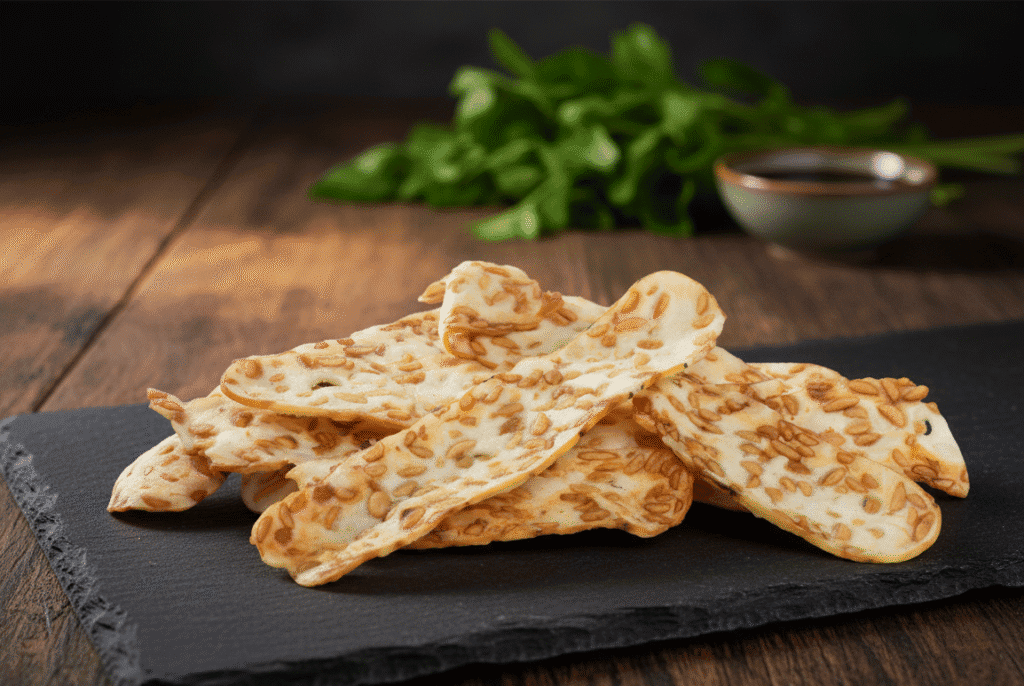
We’ve seen over and over that what happens after you open the bag can completely change how our tempeh chips taste. Our chips start with fermented, high-protein soybeans, which give that savory, nutty flavor and firm crunch we’re proud of. Because they’re naturally made and not loaded with artificial preservatives, they react more to the air, light, and moisture around them.
SoyaMaya Tempeh Protein Chips — 100% plant-based, high protein, no artificial additives. Ships to your door.
Get Your Chips →From our own tests and kitchen snacking habits, we’ve noticed that when a bag is left open, the oils in the soybeans begin to oxidize.[1] That’s when the chips slowly pick up that off-smell and slightly bitter, stale taste. When moisture gets in, the crisp texture breaks down and turns soft, sometimes even a little chewy.
So for us, good storage isn’t anything fancy, it’s simply treating the chips with a bit of care, sealing the bag tightly or using an airtight container to protect the flavor, crunch, and the money you put into a better snack.
The Simple Rules for Room Temperature Storage
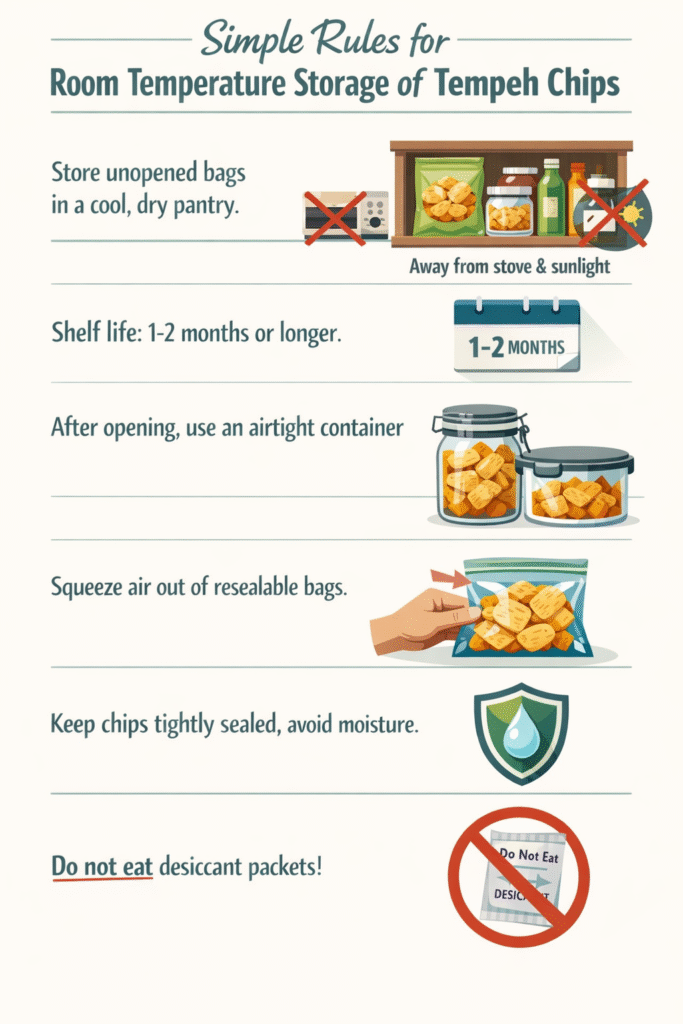
For an unopened bag of commercial tempeh chips like ours, or others featured among the best tempeh chip brands, your pantry is the perfect spot. Find a cool, dry cupboard away from the stove or any direct sunlight. Heat and light accelerate spoilage. In these conditions, an unopened bag can easily stay fresh for one to two months, sometimes longer.
Once you break the seal, the game changes. The original packaging often has a built-in barrier against oxygen and humidity. After opening, that protection is compromised.
- Transfer the chips to a rigid, airtight container as soon as possible.
- A glass jar with a rubber seal or a sturdy plastic container works well.
- Squeezing out excess air from a resealable bag can help in a pinch.
The goal is to minimize the chip’s contact with the air in the room. Do not eat the small desiccant packet sometimes found in bags, its only job is to absorb moisture during shipping and storage.
When the Refrigerator is Our Friend
One thing we’ve learned in our own kitchen is that the fridge can help our tempeh chips a lot, as long as we don’t just toss the bag in and hope for the best. When we know we won’t finish an opened bag within a few days, we treat the refrigerator as a short-term helper. The cool temperature slows down oil rancidity and moisture absorption, so the chips stay closer to how they were on day one. It doesn’t freeze time, but it stretches it a bit.
From our own trials, we’ve seen that:
- Just folding the bag and putting it in the fridge isn’t enough.
- The fridge is humid, and loose wrapping lets that moisture creep in.
- Moisture turns crisp chips into something soft and unsatisfying.
So we always move our tempeh chips into an airtight container or a well-sealed bag before refrigerating. When we do this, we’ve found the chips can hold their flavor and crunch for up to about three days. It’s a small extension, but for regular snacking during the week, it really works and keeps the experience enjoyable.
Considering the Freezer for Long-Term Plans
Credits: Tasty Meatless
For long-term plans, when we buy in bulk or make a big batch at once using our tempeh chips recipe, we lean on the freezer.
Freezing tempeh chips for one to three months has worked well for us when we don’t want to rush through every bag. The extreme cold basically puts spoilage and oxidation on pause, so the chips don’t break down as fast as they would at room temperature.
When we freeze, we always:
- Use a freezer-safe bag or container.
- Push out as much air as we reasonably can.
- Label the date, so we don’t forget how long they’ve been in there.
The trade-off is texture. After thawing, we’ve noticed some chips lose a bit of that sharp snap and can feel slightly softer, especially if there was extra air left inside. The good part is they’re still safe to eat, and the core flavor stays solid. To get the best result, we thaw them slowly in the refrigerator, then try to eat them soon after so they’re as close to fresh as possible.
Here’s how we usually decide what to do:
- Pantry (Airtight Container): Best for unopened bags or chips we’ll finish within a week.
- Refrigeration: Great for opened bags we plan to eat within about 3 days.
- Freezing: Our choice when we want to keep chips on hand for one to three months.
How We Tell When Our Chips Have Gone Bad

In our experience, our own senses are still the best tools we have. Fresh tempeh chips carry a pleasant nutty scent with a mild fermented note. When something is off, it usually shows up in the smell first. If we open a container and a sharp, paint-like, chemical, or ammonia-type odor hits us, we treat that as a clear sign of rancidity or spoilage and throw the chips away.[2]
We also check how they look and feel:
- Any unusual mold colors beyond the natural white mycelium are a hard stop.
- If the chips feel soft, limp, or even slightly sticky, moisture has won.
- Dark or strange spots that weren’t there before can signal they’re past their best.
When we see or smell any of these changes, we don’t try to salvage the batch. With fermented snacks, we’d rather stay on the safe side, clear out the old chips, and open a fresh bag, so every serving still feels like something we actually want to eat, not something we’re just trying to use up.
FAQ
How should tempeh chip storage differ for homemade versus commercial tempeh packaging?
Homemade tempeh storage needs more care than commercial tempeh packaging. Store fried tempeh only after it cools fully. Use an airtight container tempeh setup, such as an airtight jar tempeh. Commercial packs often include an oxygen barrier. Both need cool dry storage to reduce oil rancidity and protect tempeh chips crispness.
Is tempeh chips room temperature safe, or should you refrigerate tempeh chips?
Tempeh chips room temperature storage works if the area stays cool and dry. Pantry tempeh storage suits a short tempeh snack shelf life. For longer tempeh shelf extension, refrigerate tempeh chips in an airtight container. Avoid moisture, since tempeh chips staleness and tempeh chips softening happen quickly.
Can you freeze tempeh crisps without ruining tempeh chips?
You can freeze tempeh crisps to extend tempeh freezer duration. Use a tempeh chips freezer bag or vacuum seal tempeh to block air and moisture. Freezing supports soy tempeh preservation. Thaw slowly using a gentle tempeh thawing method so tempeh chips texture stays firm and crunchy.
What are clear spoilage signs tempeh chip eaters should watch for?
Watch for spoilage signs before eating. An ammonia smell tempeh, rancid oil tempeh odor, or tempeh chips discoloration signals a problem. If you see tempeh fermentation mold, do a tempeh chips mold check. Follow slimy tempeh discard rules, even for snacks.
How do moisture, light, and air affect tempeh crisps longevity?
Tempeh moisture prevention matters for tempeh crisps longevity. High humidity causes tempeh chips softening and loss of tempeh snack freshness. Light exposure tempeh speeds tempeh snack rancidity. Use tempeh preservation airtight methods, including tempeh chips airtight containers, desiccant packet tempeh, and tempeh chips cool dark storage.
Making Our Tempeh Chips Last
We’ve found that keeping our tempeh chips fresh really comes down to how we treat them after opening. Once the bag is open, the goal is to control air, light, and moisture. A solid airtight container is the main tool we rely on. From there, we pick the spot based on timing, pantry for short term, fridge for a few days, freezer for longer. A little care goes a long way toward keeping every chip tasting just-made.
Ready to put these tips to the test? A fresh bag of SoyaMaya Tempeh Protein Chips is the perfect place to start. See our available flavors and options here.
References
- https://en.wikipedia.org/wiki/Rancidification
- https://en.wikipedia.org/wiki/Tempeh
Related Articles
- https://mayasaritempeh.com/plant-based-tempeh-chips/
- https://mayasaritempeh.com/best-tempeh-chip-brands/
- https://mayasaritempeh.com/tempeh-chips-recipe/
SoyaMaya Tempeh Protein Chips
High-protein, plant-based, made from real tempeh. No artificial flavors. Crunchy and satisfying every time.
