
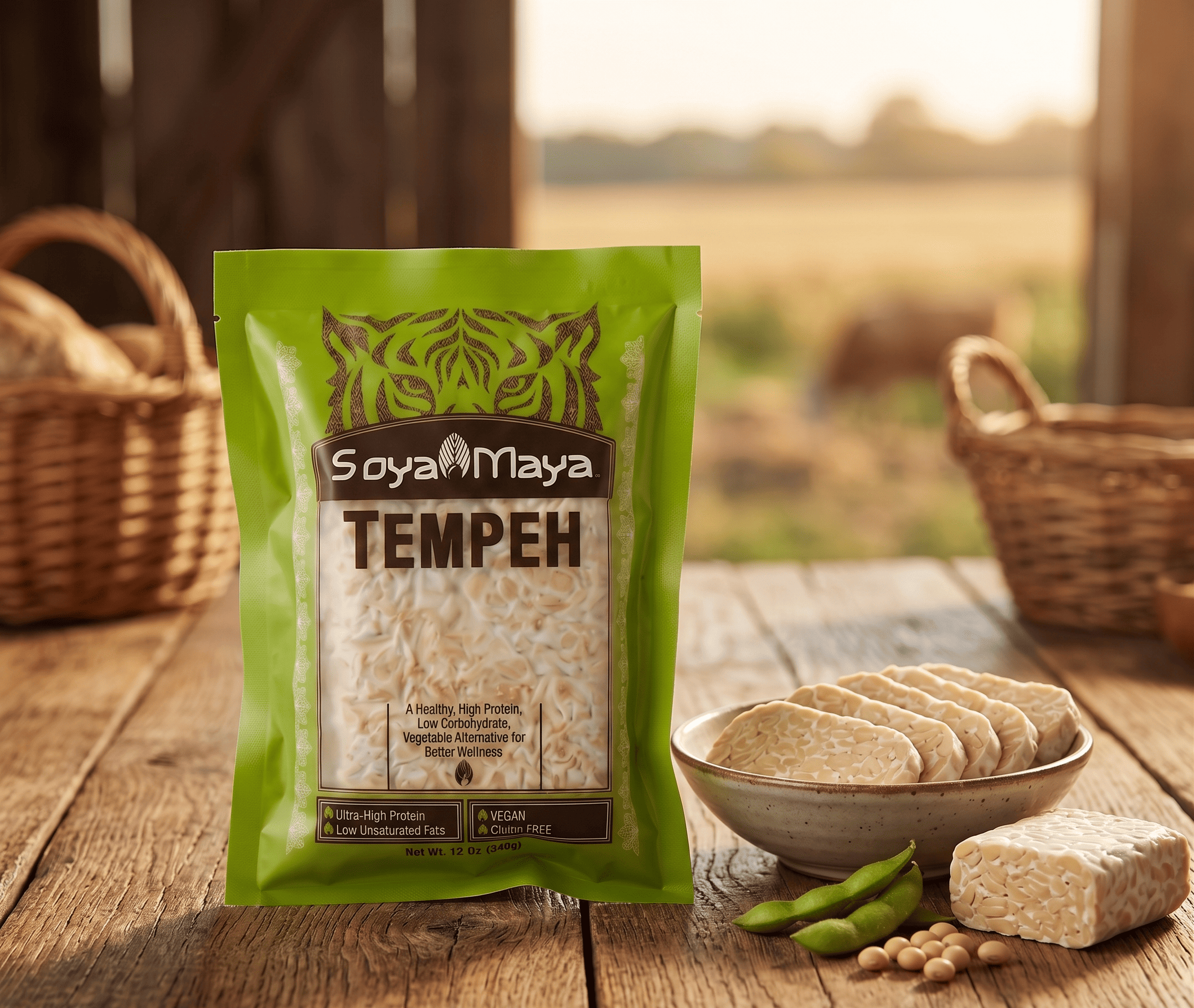
Fermentation gets predictable fast when the right microbes take charge early. Rhizopus mold for tempeh like ours at SoyaMaya, or lactic acid bacteria for sauerkraut. In tempeh, LAB kick off acidification to about pH 5 during soaking, then Rhizopus mycelium binds the soybeans for that firm texture, aroma, and safety as pH rises to 7-8. Mold handles the heavy lifting here.
Work with soy fermentation, including products developed at SoyaMaya, shows how small shifts in environment change texture, aroma, and safety. Clear routines replace guesswork, and simple controls reduce variation across batches.
Expect notes on setup, inoculation, incubation, and simple checks that flag problems early without adding unnecessary steps. This article distills repeatable steps and observations from ongoing preparation and monitoring, so now keep reading.
Soya Maya Fresh Tempeh is made the traditional way — no preservatives, no shortcuts. Delivered to your door.
Order Fresh Tempeh →Fermentation Fundamentals at a Glance
- Fermentation success depends on microbial control through acidity, temperature, and salt balance
- Lactic acid bacteria shape safety and flavor in early stages
- Ingredient quality and monitoring affect consistency across batches
Fermentation Stabilizes When Microbes and Acidity Shift Early
Fermentation starts to make sense once the right bacteria begin taking over. We’ve seen that the first stage decides most of the outcome. If the shift is slow, things tend to go off later.
With soy fermentation, we pay attention early. Once acidity starts dropping at a steady pace, the batch usually stays on track. If it doesn’t, it rarely corrects itself later.
What we mostly watch in the early stage:
- How quickly acidity begins to change
- Whether temperature stays steady
- How clean the setup is before starting
We’ve learned that early mistakes stay in the final product. There’s not much room to fix them later.
Lactic Acid Bacteria Activity Defines Safety, Flavor, and Structure
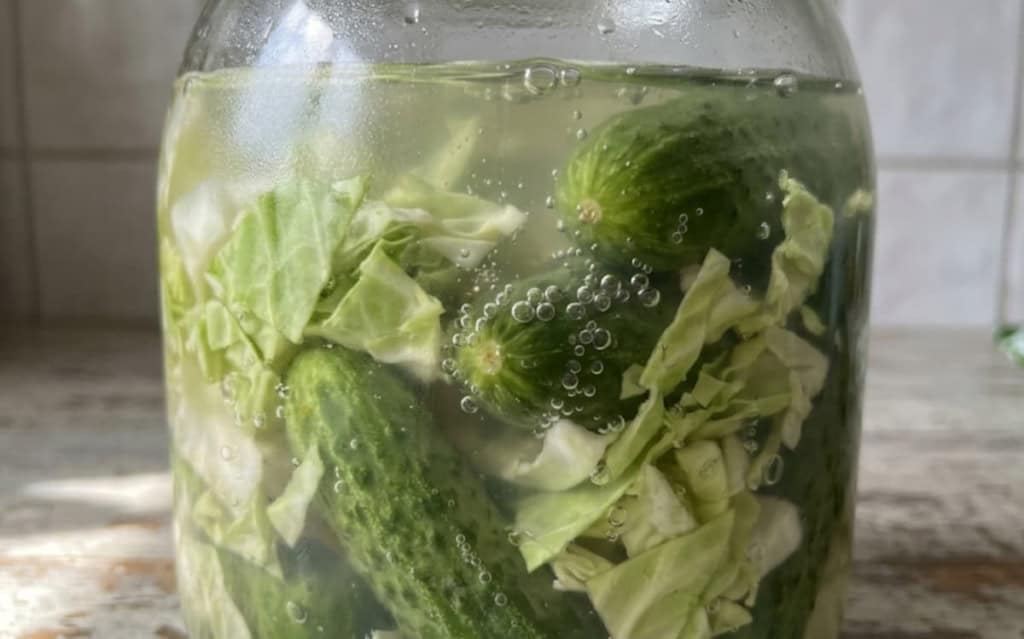
“Lactic acid fermentation preserves food by lowering pH and producing antimicrobial compounds that inhibit spoilage organisms.” –Food and Agriculture Organization
When they get going early, things move in the right direction. When they’re slow, the batch feels unstable.
In our soy fermentation work, we usually notice:
- Faster acid build-up when natural sugars are present
- Cleaner smell when microbial balance stays steady
- Less spoilage when air exposure is limited
What Fermentation Looks Like in Stages
We don’t think of fermentation as one steady process. It moves in phases, and these shifts closely reflect real tempeh processing steps that define how structure and flavor develop, which becomes clearer when Understanding Tempeh Fermentation in terms of timing and microbial transitions:
- Early stage: Microbes compete, with LAB acidifying the soy soak.
- Middle stage: Rhizopus dominates in tempeh over 24-48 hours, forming the mycelium.
- Late stage: Growth slows as flavors set.
Once we started paying attention to these stages, it became easier to predict results instead of guessing.
pH Control and Temperature Stability Guide Fermentation Safety
pH is one of the clearest signals we rely on. When it drops below 4.6, the environment becomes much less friendly for harmful bacteria. We treat this as a basic safety line.
“Improperly canned, preserved, or fermented foods can provide the right conditions for Clostridium botulinum to produce toxin.” – Centers for Disease Control and Prevention
pH < 4.6
We don’t just wait for time to pass. We watch how fast pH changes, especially at the start.
What We’ve Learned About pH Movement
- Slow acid drop gives unwanted microbes more time
- Faster acid drop keeps the batch safer early on
- Stable acidity helps avoid later spoilage
Time alone doesn’t tell us much. Two batches with the same duration can turn out very different.
Temperature Range We Stick To
Temperature changes everything in fermentation speed and smell. We try to keep it steady.
- 30-37°C: balanced activity
- Too warm: stronger, sometimes off flavors
- Too cool: fermentation slows down too much
When temperature drifts, we usually see it in the final texture or aroma.
Simple Reference From Our Batches
| Factor | Range we use | What happens |
| pH level | Below 4.6 | Safer conditions |
| Temperature | 30-37°C | Steady fermentation |
| Acid timing | 2-7 days | Depends on ingredients |
We use this more as a quick check than a strict rulebook.
Salt and Oxygen Control Shape Microbial Balance
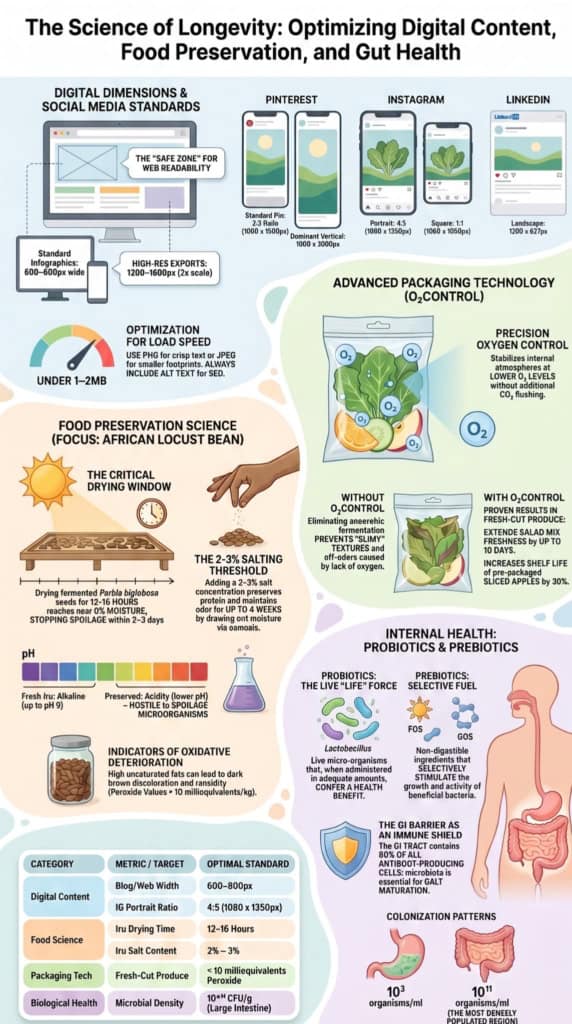
Salt and oxygen are simple, but they matter a lot. They decide what grows and what doesn’t.
We usually work with about 2-3% salt by weight. That range feels balanced for most soy-based fermentation.
What Salt Does in Our Process
- Slows down unwanted microbes
- Helps keep texture stable
- Supports acid-producing bacteria
Too little salt leads to spoilage risk. Too much slows everything down.
How We Handle Oxygen
Salt at 0-2% keeps spoilers in check without slowing things down we skip heavy brine for tempeh. Oxygen is key, use perforated bags for airflow so Rhizopus mold grows that signature white mycelium on the surface.
This helps us:
- Avoid mold on the surface
- Reduce unwanted yeast growth
- Keep acid production steady
In soy fermentation, air exposure is one of the fastest ways things go wrong, so we keep it controlled from the start.
Ingredient Quality and Substrate Composition Influence Fermentation Behavior
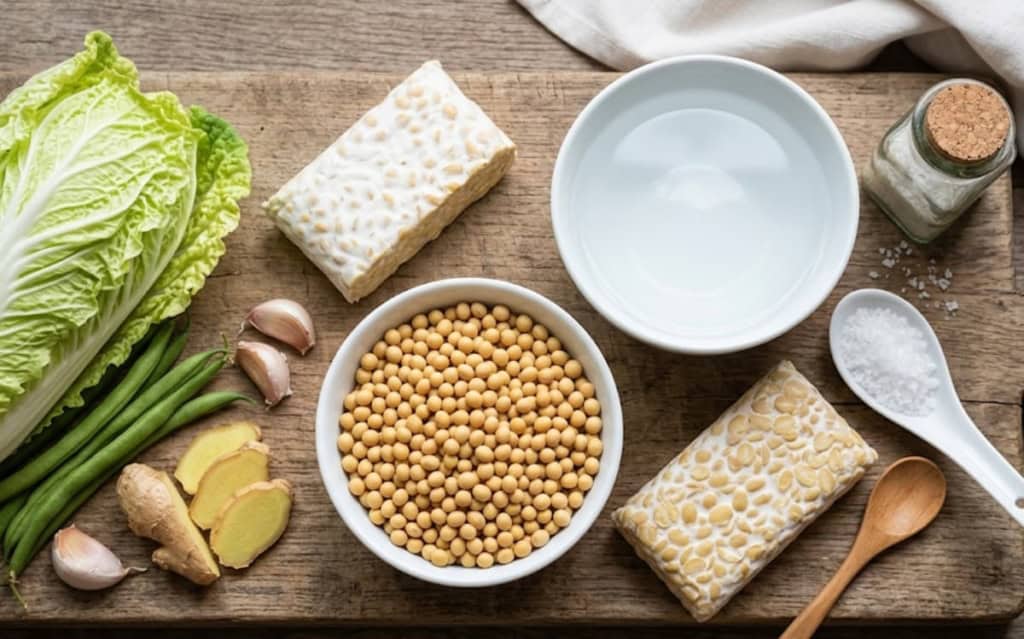
What goes into fermentation matters before anything even starts. We’ve noticed this clearly in soy fermentation work, especially when aiming for consistent results similar to well-prepared fresh tempeh in both texture and aroma.
Soybeans, for example, don’t all behave the same. Some batches ferment faster, some slower, even when everything else is kept the same. That difference usually comes from the raw material itself, especially when comparing gmo soybeans and more traditional varieties.
What We Consistently Observe in Practice
- Fresh ingredients tend to ferment more predictably
- Clean handling reduces strange smells later
- Even-sized ingredients lead to more even fermentation
We’ve had batches where everything looked correct on paper, but uneven ingredients made the final result inconsistent. That taught us to focus more on preparation, especially when selecting soybeans for tempeh, than adjustments later.
Ingredient selection is not a small detail. It shapes the whole process from the beginning.
Monitoring Fermentation Progress Prevents Instability and Spoilage
We don’t rely on waiting and hoping a batch turns out fine. We check it as it develops.
Small changes early usually tell us what will happen later, particularly when tracking tempeh ferment patterns across different batches
Most issues don’t appear suddenly. They build slowly, and we try to catch them before they get worse.
What We Track During Fermentation
- pH changes over time
- Temperature stability
- Smell and gas activity
These three give us enough information to understand what is happening inside the batch.
Tools We Use in Simple Monitoring
| Tool | What it tells us | Why it matters |
| pH meter | Acidity level | Safety check |
| Thermometer | Heat level | Microbial activity control |
| Hydrometer | Sugar activity | Fermentation progress |
We don’t overcomplicate it. These basic tools are enough to spot problems early.
Common Issues We’ve Seen
- Slow fermentation when temperature is too low
- Off smells when air gets in
- Soft texture when fermentation runs too long
Most of these problems are easier to prevent than to fix.
Starter Cultures and Microbial Balance Guide Consistency
We sometimes use starter cultures when we want predictable results. They help set the direction of fermentation from the start.
Without them, fermentation depends more on natural microbes, which can vary more from batch to batch.
What We Pay Attention To
- Strength of the starter culture
- How well it fits the ingredient
- Temperature tolerance during fermentation
Starter cultures reduce surprises. They don’t remove all variation, but they make outcomes more stable.
In soy fermentation, this helps especially when producing multiple batches that need to stay similar.
Fermentation Success Depends on Aligning Microbes, Environment, and Timing
After working through many batches, one thing is clear to us: fermentation only works well when everything lines up. Microbes, temperature, salt, and timing all affect each other.
If one part is off, the rest usually follows.
We’ve seen batches fail not because of one big mistake, but because of small shifts added together. A slightly warmer room, a bit more air exposure, or uneven ingredients can change everything.
What Good Fermentation Usually Looks Like
- Steady acid development without sudden jumps
- Balanced smell without harsh or sour notes
- Firm but not broken texture
These signs usually show up when the process stays stable from the beginning.
FAQs
What controls lactic acid bacteria during home fermentation?
Lactic acid bacteria are controlled by fermentation temperature, pH control, and salt concentration. A steady temperature supports growth, while a rapid drop in acidity levels improves pathogen inhibition.
Proper sanitation practices and clean equipment reduce contamination. Using fresh produce, non-chlorinated water, and good substrate quality supports stable microbial succession and improves fermentation safety and flavor development.
How do I manage fermentation temperature and avoid failures?
Fermentation temperature must remain stable to prevent stuck fermentation, under-fermentation, or over-fermentation. A room temperature ferment works for many foods, but incubator use provides better control.
Temperature stability supports yeast viability and bacteria strains. Sudden temperature changes disrupt growth kinetics and can create off-flavors, so monitoring progress regularly helps maintain consistent fermentation time and reliable results.
Why is pH control important for fermentation safety?
pH control is essential for fermentation safety because it directly affects pathogen inhibition and spoilage prevention. When acidity levels drop quickly, harmful microbes such as E. coli are less likely to survive.
Accurate measurement using pH meter calibration or titration acidity improves consistency. Proper pH control, combined with salt concentration and anaerobic conditions, ensures safer and more stable fermentation outcomes.
What role do salt concentration and oxygen exclusion play?
Salt concentration and brine strength regulate microbial balance by slowing harmful microbes and supporting lactic acid bacteria. Oxygen exclusion creates anaerobic conditions that prevent mold growth and surface film formation.
Methods such as weight submersion and airlock systems help maintain these conditions. These controls improve spoilage prevention, support flavor development, and maintain texture preservation in fermented foods.
How can I monitor progress and avoid common fermentation mistakes?
Monitoring progress involves tracking acidity levels, fermentation time, and sensory evaluation such as smell and texture. Tools like hydrometer readings or refractometer use help measure sugar content and changes during fermentation.
Observing signs such as kahm yeast or off-flavors allows early correction. Maintaining log sheets and following proper sanitation practices reduces common mistakes and improves fermentation safety.
Getting Fermentation Right Every Time
You notice it when a batch goes off, the smell shifts, the texture feels wrong, and you’re left guessing what changed. It’s frustrating. Small swings in salt, temperature, or pH can throw everything off fast.
That’s why sticking to simple, steady control matters most. At SoyaMaya, the focus stays on keeping those basics tight so results stay reliable without overcomplicating the process. If you want a smoother path, start there and learn from how SoyaMaya applies it in real production.
References
- https://www.fao.org/4/x0560e/x0560e00.htm
- https://www.cdc.gov/botulism/prevention/
Related Articles
https://mayasaritempeh.com/how-long-does-tempeh-ferment/
https://mayasaritempeh.com/fresh-tempeh/
https://mayasaritempeh.com/understanding-tempeh-fermentation/
Soya Maya Fresh Tempeh
Traditionally fermented, no preservatives, shipped fresh and frozen to your door. The real deal, direct from us.
