
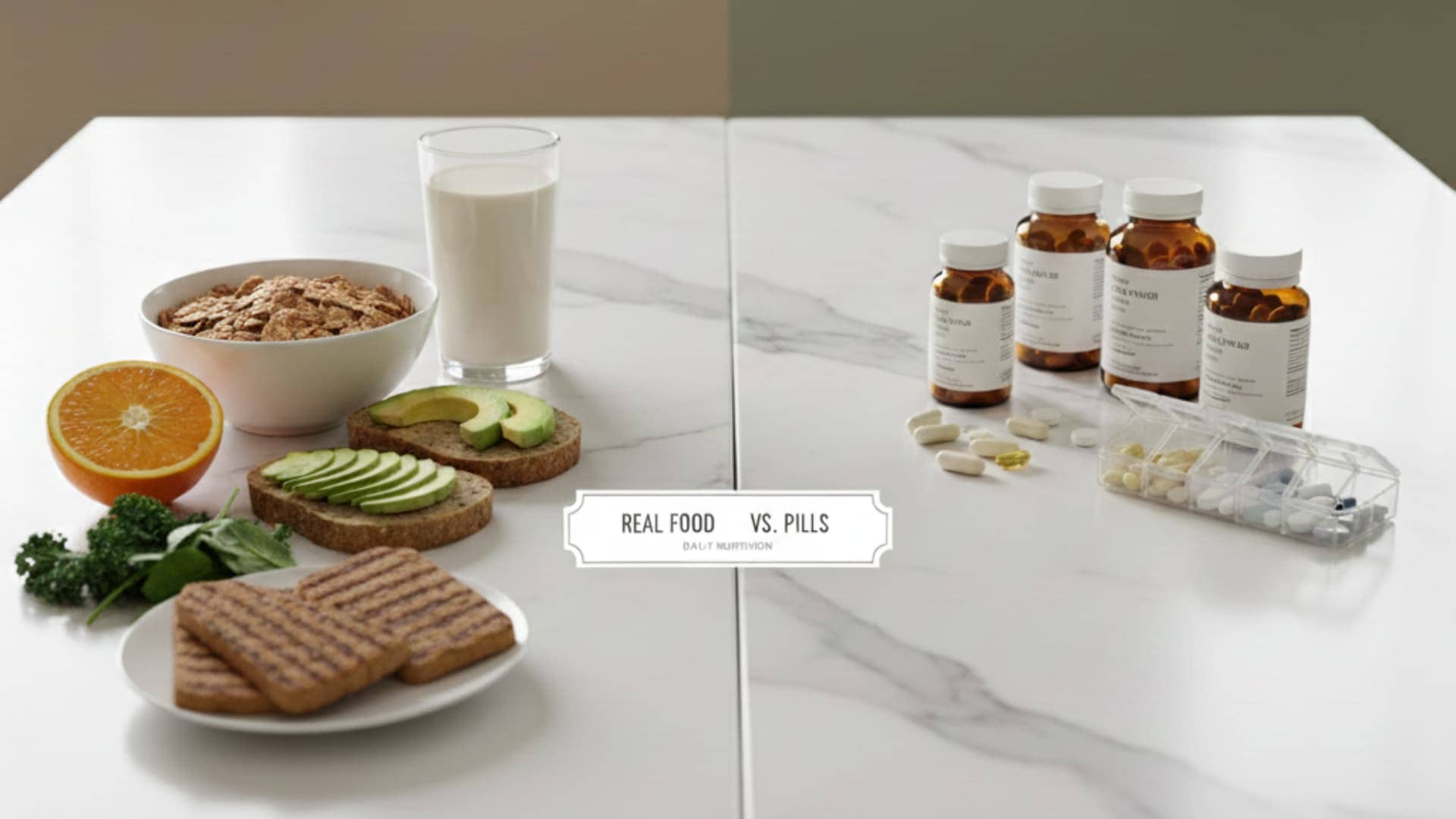
Fortified foods are usually a smarter way to fill nutrient gaps than pills, because they blend into what you already eat. For years, we’ve watched people lean hard on isolated supplements, while research keeps nudging us back toward the dinner plate.
When vitamins and minerals are added to everyday foods, they tend to be absorbed more smoothly, cause fewer problems with excessive intake, and feel less like “medicine” and more like normal life.
Groups like the Academy of Nutrition and Dietetics keep pointing in this direction, and there’s a lot you can do with that, so keep reading.
Soya Maya Fresh Tempeh is made the traditional way — no preservatives, no shortcuts. Delivered to your door.
Order Fresh Tempeh →Key Takeaways
- Fortified foods offer superior nutrient absorption because your body processes them as part of a complete meal.
- The risk of accidentally consuming toxic levels of vitamins is significantly lower with fortified foods than with supplements.
- Building a habit around nutrient-rich foods is more sustainable and cost-effective long-term than relying on pills.
Food First, Supplements Second
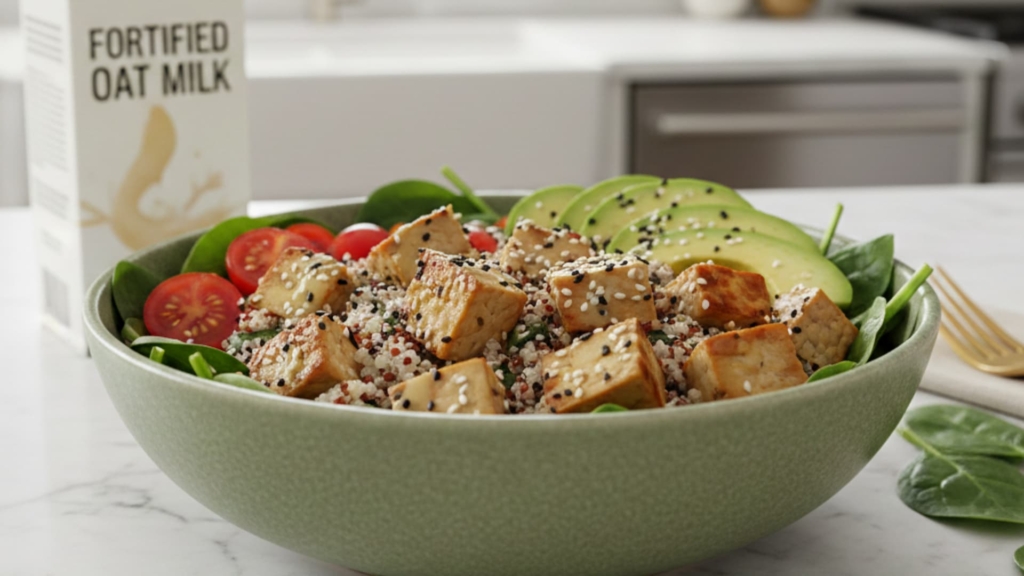
We still remember standing in front of an American grocery shelf for the first time. Rows of vitamin bottles filled an entire wall. Capsules, powders, and drops promised to deliver what food used to provide on its own.
Back home, our nutrition came from the market, the soil, and fermented foods we made ourselves. It came from meals, not bottles.
Seeing everything packaged as a supplement felt like a gap between how people eat and how they try to fix their nutrition.
That experience shaped why we began making tempeh, not just as a business, but as a way to keep food at the center of daily nutrition.
The real difference between fortified foods and supplements isn’t just their form. It’s how they fit into daily life. Fortified foods are part of meals. You eat them at breakfast, lunch, and dinner. You don’t have to remember them, they’re already on your plate.
Supplements are more targeted. They’re useful, and we use them ourselves when needed. But they’re meant to fill gaps, not replace food.
From what we’ve seen, the strongest routines usually follow this order:
- Build nutrition into everyday meals
- Use supplements to fill specific gaps
- Let food provide most of your daily needs
What concerns us is how often this order is reversed. People rely on pills first, and meals second. We believe everyday food should carry most of the nutritional load. Supplements can help, but they should support real meals, not replace them.
Understanding the Core Differences
Fortified Foods vs Supplements: What Your Body Actually Receives
A supplement is a solo act, and sometimes it doesn’t get the same warm welcome in your gut.
| Feature | Fortified Foods | Supplements |
| How nutrients are delivered | Embedded in whole foods with fiber, water, and natural compounds | Isolated nutrients in capsule, tablet, or liquid form |
| Absorption style | Slower, steadier absorption through the digestive system | Faster absorption but often less efficient overall |
| Body recognition | Recognized as food, activating natural digestive pathways | Treated as a concentrated dose, sometimes harder to regulate |
| Risk of excess intake | Low, because absorption is naturally limited | Higher, because large doses are easy to consume |
| Best for | Daily nourishment and long-term prevention | Short-term correction or specific medical needs |
| Effect on gut comfort | Gentle on the stomach | May cause nausea or discomfort in sensitive people |
There’s a concept called the food matrix. It means that a nutrient in a carrot isn’t the same as that nutrient in a capsule.
In the carrot, it’s packaged with fiber, with water, with other compounds that help your body recognize and use it efficiently.
That’s the magic of food. A supplement is a solo act, and sometimes it doesn’t get the same warm welcome in your gut. [1]
The Unbeatable Advantages of Getting Nutrients from Food
Absorption: Why Food Just Works Better
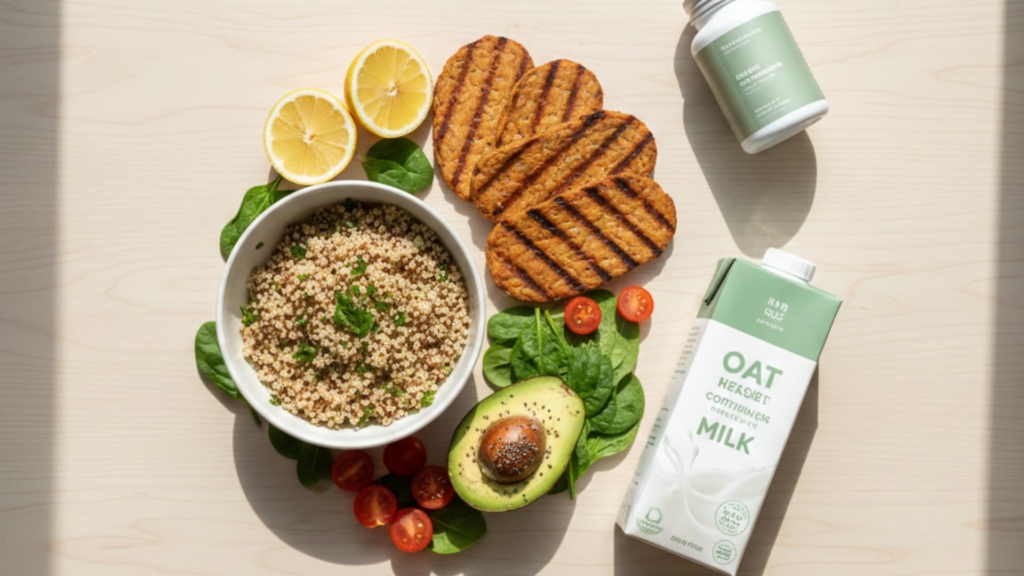
The first and biggest win is absorption. Nutrients that come packaged in real food are usually easier for the body to use. We’ve seen this show up most clearly with fat-soluble vitamins.
Take vitamin D, which plays a steady role in bone strength and immune support. When we drink a glass of fortified milk or add a fortified plant-based milk to our morning coffee, the natural fats in milk facilitate the absorption of vitamin D, as it is a fat-soluble nutrient that’s been added.
When the same vitamin comes from a pill taken with plain water, a lot more of it can pass right through without being fully used.
Food doesn’t deliver nutrients alone, it brings the full team along, and the body seems to recognize and respond to that.
Safety: Why It’s Harder to Overdo It With Food

There’s also a built-in safety net when nutrients come from food. It’s remarkably difficult to reach harmful levels just by eating normal meals.
We’d have to drink an unrealistic amount of fortified juice to push vitamin C into a risky range. With supplements, that margin is much thinner, especially with fat-soluble vitamins like A, D, E, and K, which can build up in the body over time.
In real life, this means:
- Food-based intake naturally limits excess
- Supplements can quietly stack dose on top of dose
- Most cases of overload are tied to pills, not meals
It’s one more reason we prefer to build our foundation with food.
Habit and Cost: What Fits Real Life
Finally, there’s the practical side. Adding a fortified whole-grain cereal or plant-based milk to breakfast becomes part of a routine. It doesn’t feel like “doing a health task.” It’s just breakfast.
Buying a bottle of pills is another step, another expense, and for many people, another thing to forget. For families, for older adults, and for anyone watching their budget, getting folic acid, iron, and other basics through everyday foods simply fits real life better. Food-based nutrition works quietly, and most days, that’s exactly what we need.
Where Precision Actually Matters
credits: NutritionFacts.org
This isn’t to say supplements are useless. Far from it. They’re essential in specific situations, and their real strength is precision.
During pregnancy, for example, the body’s need for folic acid rises sharply to support early nerve development. Relying on fortified grains alone can leave too much to chance.
A prenatal supplement creates consistency, a steady, reliable intake day after day, and that reliability matters when the stakes are high.
When Food Isn’t Enough to Catch Up
Supplements also play a critical role when a real deficiency has already taken hold. If a blood test shows that vitamin B12 or iron levels are truly low, food alone often can’t refill those stores fast enough.
In those cases, higher-dose supplements become part of treatment, not as lifestyle add-ons, but as short-term tools to rebuild what’s been depleted.
We’ve seen how different the body can feel once levels return to a healthy range: energy steadies, thinking sharpens, and that constant drag finally lifts.
As we get older, absorption can become less reliable. For some of us over 50, even a good diet doesn’t move the needle the way it used to.
That’s where options like sublingual B12 come in, not as a shortcut, but as a way around a gut that simply isn’t pulling nutrients out of food as efficiently as it once did.
Always consult a healthcare provider for blood testing before starting high-dose supplements to avoid masking other underlying conditions.
When the Plate Has Real Gaps
People with strict dietary patterns also benefit from a more intentional approach. A lifelong vegan, for example, can’t rely on whole plant foods alone for B12.
Fortified foods help, but consistency matters, which is why b12 fortified tempeh stands out as one of the few whole-food ways to deliver usable B12 inside a fully plant-based routine.
In everyday life, supplements often step in as:
- A steady B12 source for vegans
- Short-term, higher-dose iron when levels drop
- Extra calcium for those who avoid dairy
- Support during pregnancy or later life stages
Here, the supplement isn’t a safety blanket, it’s a specific tool filling a specific gap.
Where Supplements Stop Helping
The trouble begins when supplements are treated as a substitute for real food. They can’t replace fiber. They can’t replace plant compounds. They can’t recreate the slow, steady benefits of whole grains, vegetables, fruits, and legumes.
You can’t out-supplement a diet built mostly on processed food. Real nourishment still has to come from the plate. Supplements simply step in where the plate, for very real, very human reasons, can’t quite reach.
Additionally, many supplements lack the phytonutrients and antioxidants found in whole foods that work synergistically with vitamins.
Start With the Plate
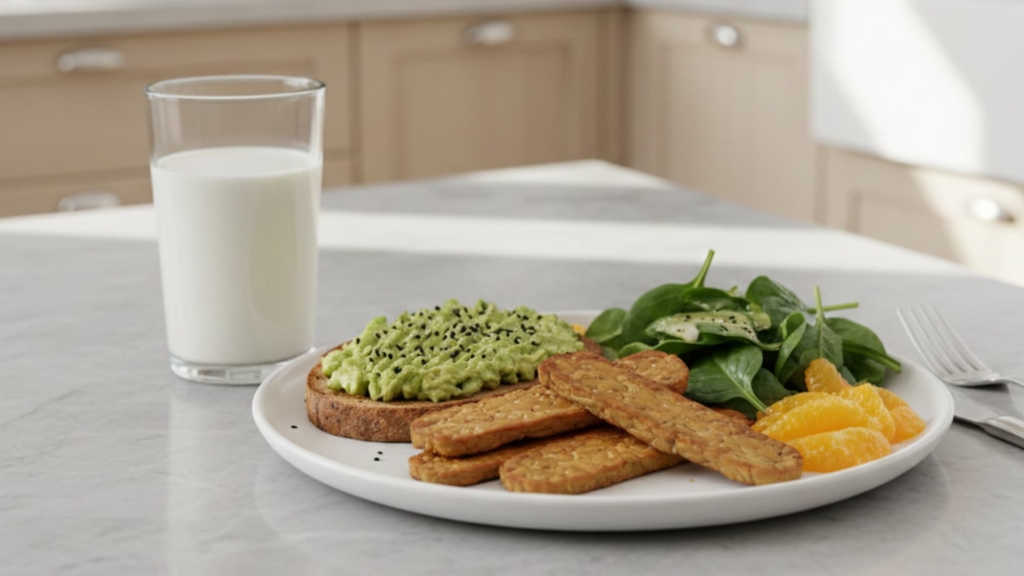
So how do you decide what you actually need? We always start by looking at the plate, not the medicine cabinet.
Take a simple look at a typical day of eating. Is there a fortified whole grain in the mix? A steady calcium source, like fortified plant milk or leafy greens? Do fruits and vegetables show up in a few different colors?
For most people eating a varied diet, fortified foods quietly provide a strong baseline. They’re one of those public-health success stories that work in the background, sitting right in the pantry.
Let Your Life Stage Lead
Next comes real life. Needs shift as our bodies change, and that matters more than trends or headlines. In everyday terms, that usually means:
- A folic acid supplement during pregnancy or for those planning to be
- Paying closer attention to B12 after 50
- A reliable B12 source for anyone avoiding animal products
- Extra vitamin D for people who get little sun exposure
Let clear, evidence-based needs guide these choices, not marketing. [2]
Watch for the “Health Halo”
Not everything that looks healthy really is. Fortification in ultra-processed foods often accompanies high levels of sodium, sugar, or saturated fats. A brightly labeled fortified drink is still a drink made mostly of sugar and water.
Major nutrition guidelines are clear about this: fortification should never be a reason to choose highly processed food over whole food. It’s meant to support an already sensible way of eating, not replace it.
Why We’re “Food First”
We built our company around a food-first idea. When we make our SoyaMaya Fresh Frozen Tempeh, we’re not just offering protein.
We’re leaning into a natural fermentation process that makes the nutrients in organic soybean nutrition easier for the body to use.
That same process also creates vitamin B12, a nutrient famously missing from most plant foods, can contribute to B12 intake, that’s why understanding what B12 tempeh really is matters when choosing reliable food-based nutrient sources.
While vegans should still monitor their levels to ensure they meet daily requirements, tempeh remains a powerful way to bring natural nutrition onto a plant-forward plate. It’s nutrition that’s built in, not bolted on.
FAQs
Are fortified foods better than dietary supplements for a healthy diet?
Fortified foods add vitamins and minerals to common food sources such as grain products and dairy products. This process supports healthy eating by helping people reach recommended dietary nutrient intakes through regular meals. Nutrients from food are absorbed more gradually than nutrients from pills. For public health, food fortification lowers the risk of micronutrient deficiencies.
How do fortified and enriched foods support older adults over years of age?
Older adults often experience higher nutrient requirements while eating smaller meals. Fortified and enriched foods provide steady vitamin and mineral intake without increasing pill use. Added vitamin B12 and folic acid support nerve function, energy levels, and memory. These health benefits help reduce long-term risks linked to low nutrient intakes.
Can excess intake from supplements increase health risks?
Dietary supplements can raise nutrient intakes above recommended dietary limits. Excess intake of certain vitamins and minerals increases the risk of heart disease and breast cancer. Public health authorities in the United States warn that high doses do not provide additional benefits. Balanced food sources offer safer and more stable nutrient support.
Why is food fortification important for women’s health?
Food fortification supports women’s health by adding folic acid and iron to wheat flour and other grain products. These nutrients improve red blood cell production and support healthy pregnancies. The National Academies and the Institute of Medicine identify food fortification as an effective public health strategy. It prevents widespread micronutrient deficiencies.
Who regulates fortified foods and their health benefits?
The Food and Drug Administration regulates fortified and enriched foods in the United States. These regulations are based on research from the Academy of Nutrition and Dietetics and other public health organizations. Their purpose is to ensure that added vitamins and minerals meet nutrient requirements while delivering measurable health benefits.
Let Fortified Foods Be Your Daily B12 Foundation
The fortified foods versus supplements debate isn’t about choosing one winner. It’s about understanding roles. Fortified foods should be your daily nutritional foundation, while supplements serve as targeted tools for special needs.
Most vitamins and minerals are best absorbed through whole foods, supporting long-term health and enjoyment of eating. SoyaMaya tempeh fits this philosophy, locally crafted, fermented, protein-rich, and naturally fortified with Vitamin B12, making it an easy, delicious way to build a stronger nutritional foundation every day.
Build Your Nutrition Foundation with SoyaMaya B12 Tempeh
References
- https://ods.od.nih.gov/factsheets/VitaminB12-HealthProfessional/
- https://www.eatright.org/health/essential-nutrients/supplements/vitamins-minerals-and-supplements-do-you-need-to-take-them
Related Articles
- https://mayasaritempeh.com/b12-fortified-tempeh/
- https://mayasaritempeh.com/what-is-b12-tempeh/
- https://mayasaritempeh.com/organic-soybean-nutrition/
Soya Maya Fresh Tempeh
Traditionally fermented, no preservatives, shipped fresh and frozen to your door. The real deal, direct from us.
