
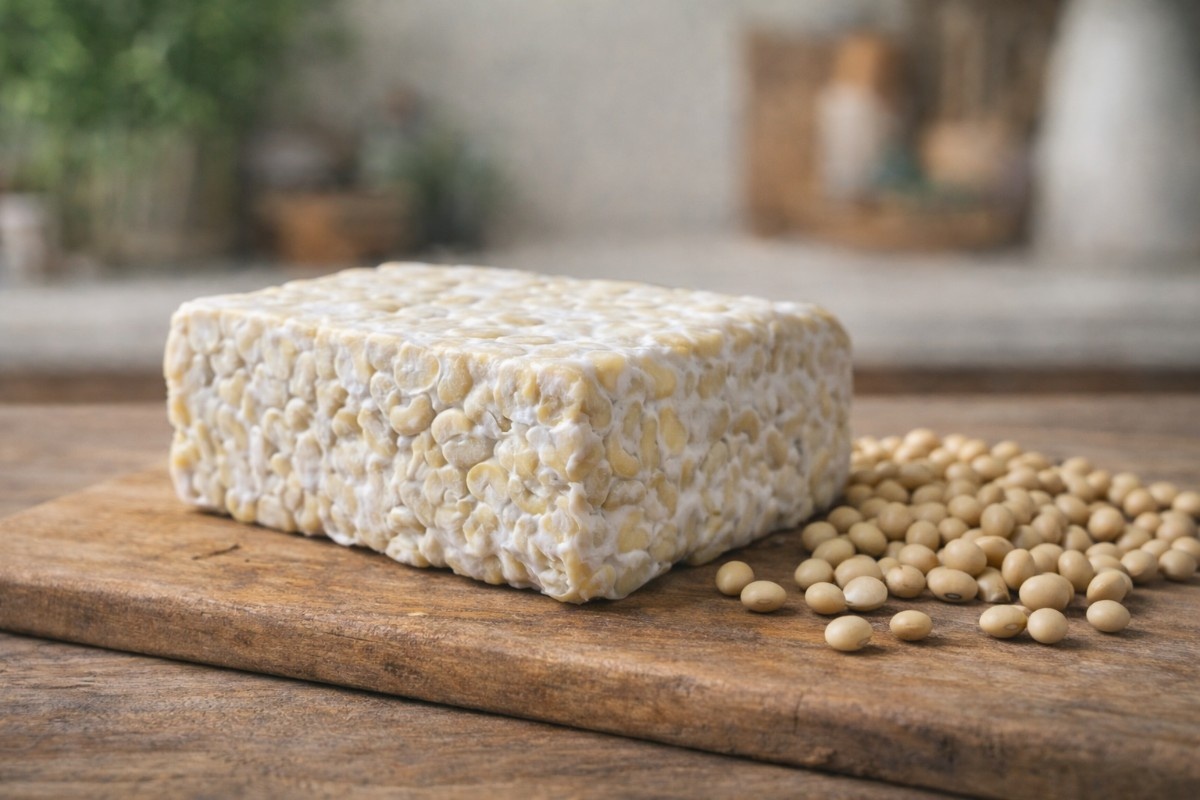
Most of you know tempeh is good for you. But that’s only half the story. The truth is, if it’s been pasteurized, you’re not getting the full benefit. That heat treatment kills off the live cultures, the whole point of a fermented food. You lose the probiotics that help your gut, and some of the nutrition gets locked away. So you’re eating it, but your body isn’t getting everything it could. Want to actually get what you’re paying for with your health? Stick around, and we’ll break down why the unpasteurized stuff is the only real choice.
Key Takeaways
- Unpasteurized tempeh may contain live cultures with probiotic potential (if not cooked) that directly support your gut microbiome.
- Its natural fermentation increases the bioavailability of protein, vitamins, and minerals for better absorption.
- Choosing unpasteurized means getting more heart-healthy isoflavones and bone-supporting nutrients in their most active forms.
The Live Culture at the Heart of Real Tempeh
I remember the first time I made tempeh at home, years before our restaurant. The block was warm, alive, with a clean, earthy smell.
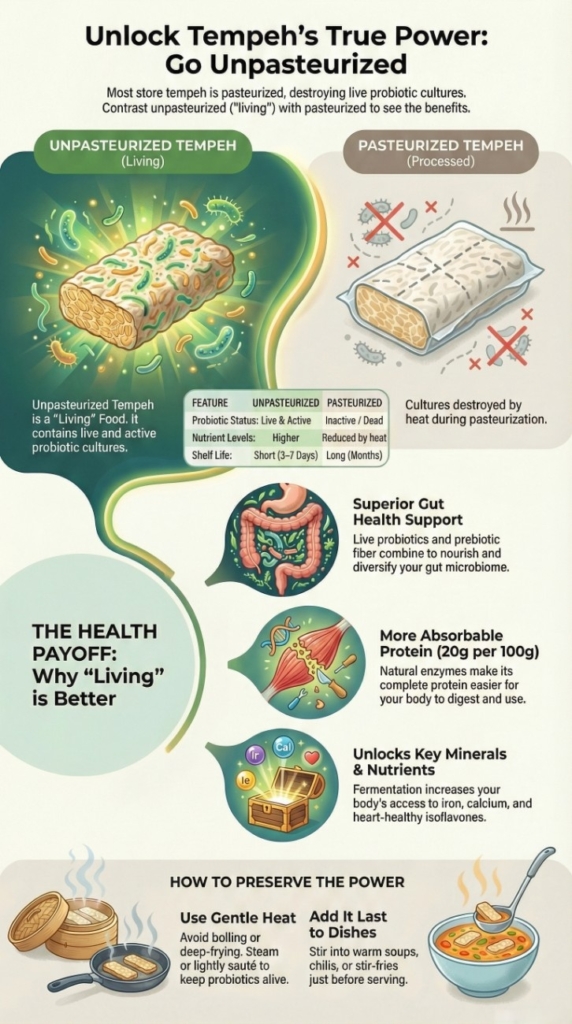
That was a live tempeh. Most of what you find in stores has been pasteurized, a practical step that makes distribution easier but changes what you’re eating on a fundamental level. The difference isn’t just philosophical, it’s biological, sitting right there in your digestive system.
SoyaMaya Fresh Tempeh is made the traditional way — no preservatives, no shortcuts. Delivered to your door.
Order Fresh Tempeh →This preservation of microbes and texture is precisely why how is small batch tempeh made to deliver such an authentic and nutrient-rich experience.
Why Live Cultures Make All the Difference
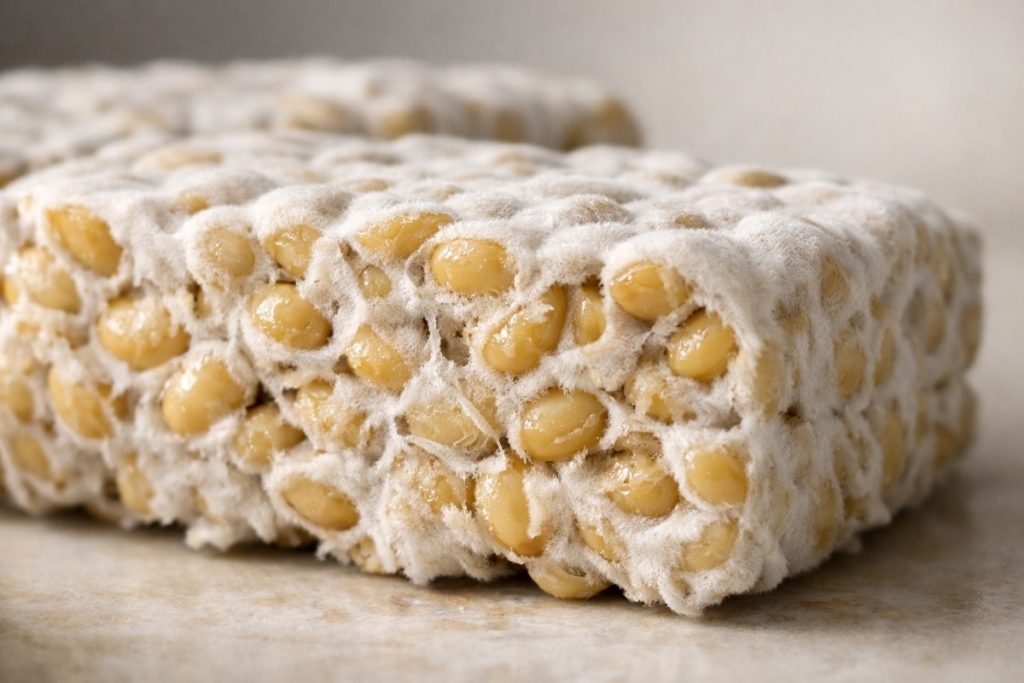
Why is unpasteurized tempeh better for gut health? It’s simple. It contains live probiotics that pasteurization destroys. These active cultures, primarily from the Rhizopus oligosporus mold, work alongside the product’s natural prebiotic fiber.
This combination is a powerhouse. It stimulates the production of short-chain fatty acids in your colon, particularly butyrate.
Think of butyrate as premium fuel for your colon cells. It helps reduce inflammation and significantly improves the diversity of your entire gut microbiome. A diverse gut is a resilient gut.
We see this in our own process. Our Fresh Frozen Tempeh is flash-frozen to preserve these cultures in a dormant state.
Thaw it, and those microbes are still there, ready to contribute if you consume it raw or lightly cooked. The fermentation itself can increase mineral bioavailability by breaking down phytic acid significantly (often 30-70% or more).
That means your body can actually use more of the iron, magnesium, and zinc present in the soybeans.
- It introduces beneficial bacteria directly to your gut.
- The fiber feeds your existing good bacteria.
- Together, they promote a balanced, healthy digestive environment.
This live culture is the core of what makes traditional tempeh a functional food, not just a protein source.
A Superior Source of Plant Protein
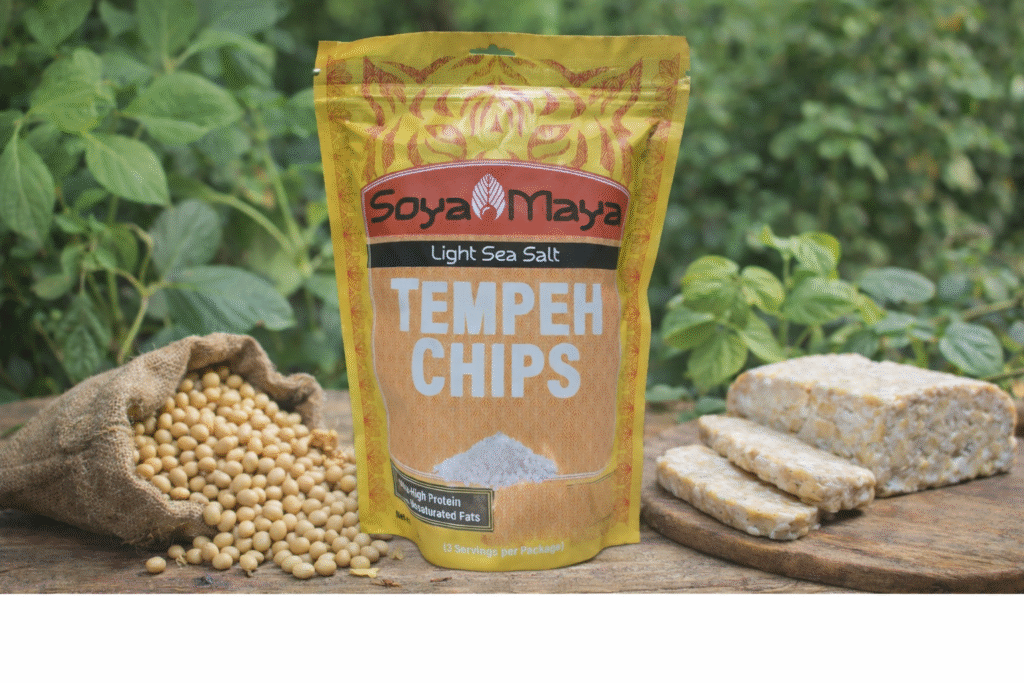
Does unpasteurized tempeh provide more protein than other plant sources? In a way, yes. It’s a complete protein, offering all nine essential amino acids, with about 20 grams of protein per 100-gram serving.
That’s substantial. But the “more” comes from how your body accesses it. Because it’s unpasteurized, natural enzymes from the fermentation process remain intact. These enzymes have already started the work of breaking down the complex soy proteins.
Your body doesn’t have to work as hard to digest it, making those amino acids more readily absorbable. It’s a gentler, more efficient process. A single serving can meet about a third of the daily protein needs for an average adult, and your body can utilize it effectively.
We specifically use a blend of high-protein soybeans in our products. Some varieties we source have a protein content of 42%. We chose them for nutrition, but the fermentation is what unlocks that potential. It transforms the dense soybean into a protein that feels light and digestible.
You can feel the difference, a lack of that heavy, bloated feeling some plant proteins cause. It’s protein that works with your body, not against it. Learn more about our fresh tempeh crafted from organic soybeans with care.
Unpasteurized vs. Pasteurized: A Clear Choice
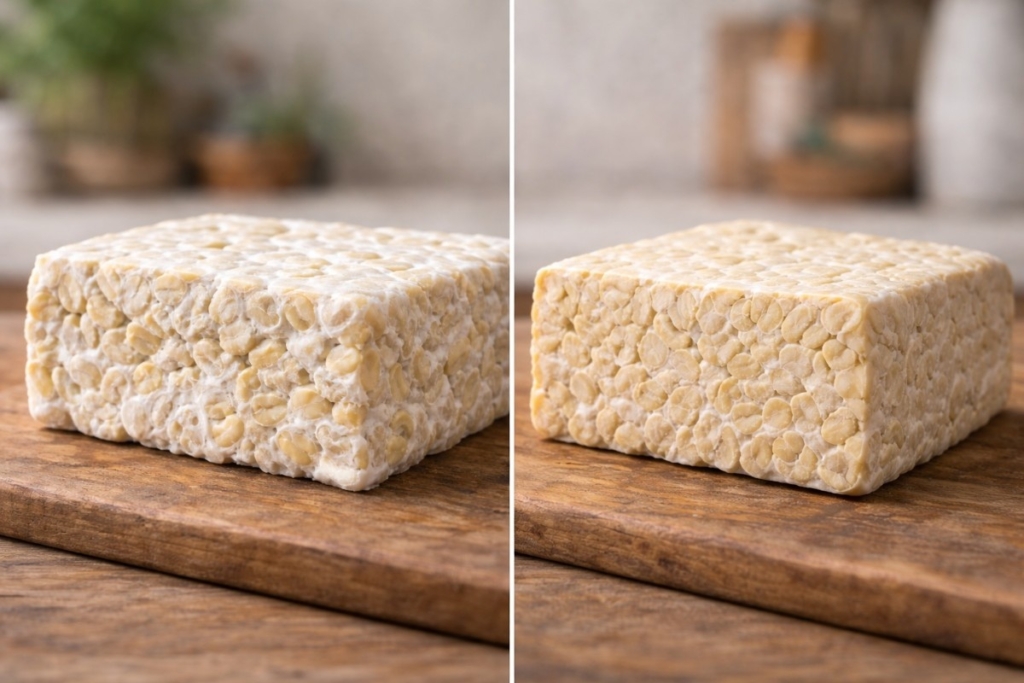
The choice between unpasteurized and pasteurized tempeh boils down to what you value: longevity or vitality. Pasteurization applies heat, usually around 161°F, to kill microorganisms and extend shelf life to months.
Unpasteurized tempeh, kept refrigerated, has a short life of maybe a week. But in that trade-off, you lose the essence of the food.
| Feature | Unpasteurized Tempeh | Pasteurized Tempeh |
| Probiotic Status | Live & Active | Inactive/Dead |
| Vitamin B12 Level | Higher (Natural) | Reduced by heat |
| Texture | Firm & Nutty | Often softer |
| Shelf Life | Short (3–7 days) | Long (Months) |
The table tells the story. The heat that ensures safety also deactivates the probiotics and degrades heat-sensitive nutrients like certain B vitamins.
The texture changes, often becoming mushier. The flavor mellows, losing some of that distinctive nutty, fermented tang. For us, flash-freezing became the solution. It pushes pause on microbial activity without the heat damage, preserving that live-culture potential for when you’re ready to eat it.
Heart and Bone Benefits Amplified
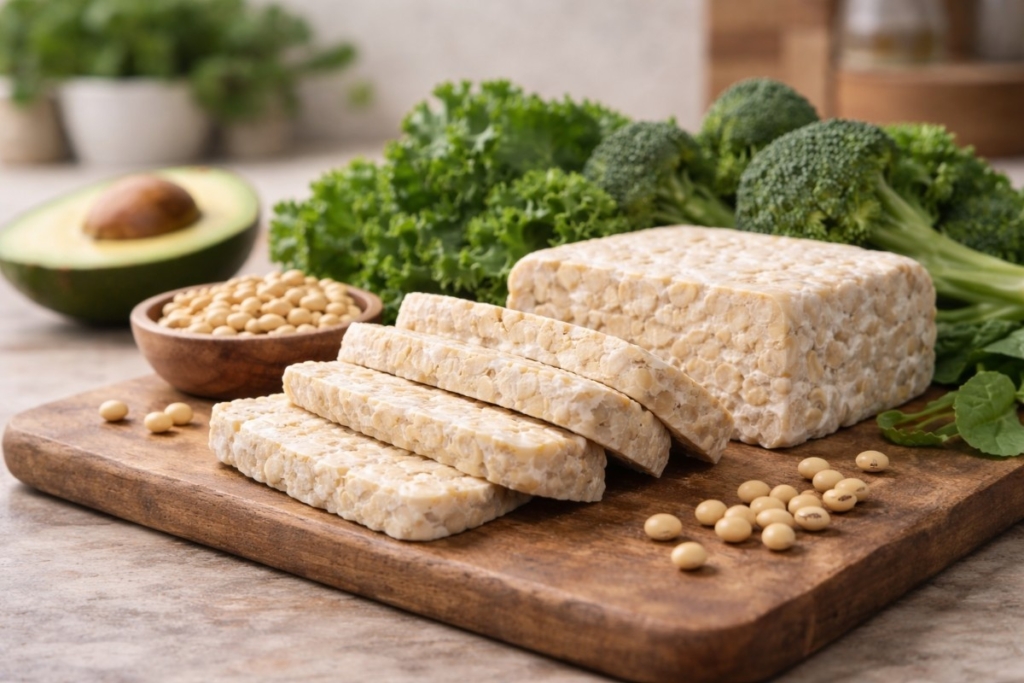
How does fermented soy support heart health? Unpasteurized tempeh is rich in bioactive soy isoflavones like genistein. These compounds have been studied for their role in managing LDL cholesterol and reducing oxidative stress in the bloodstream.
Regular consumption is linked to better blood pressure numbers and improved arterial flexibility. The fermentation process may make these isoflavones easier for your body to use.
Some clinical notes suggest soy isoflavones may modestly lower LDL (studies show ~3-8% in some cases). It’s not a miracle, but it’s a meaningful part of a heart-smart diet.
Can it improve bone density? It’s a potent source of bone-building minerals: calcium, magnesium, and phosphorus. One cup of tempeh offers about 184mg of calcium. Crucially, fermentation neutralizes anti-nutrients like oxalates that can block mineral absorption.
This means the improved calcium bioavailability due to reduced anti-nutrients, comparable to some dairy. For anyone, but especially post-menopausal women, it’s a plant-based tool for supporting bone mineral density.
The natural phytoestrogens may also play a supportive role in bone metabolism, offering a gentle, dietary form of support. The art of what is artisanal tempeh? perfectly balances tradition and nutrient preservation to maximize these health benefits.
How to Get the Benefits Safely
To preserve the probiotics in unpasteurized tempeh, you have to be gentle. High, direct heat is the enemy of live cultures. Boiling or deep-frying will wipe them out.
If you want the gut health benefits, consider lightly steaming it or using it in recipes where it’s not exposed to sustained high temperatures.
Some people even eat small amounts of high-quality, fresh raw tempeh as a probiotic, though you must be confident in the producer’s hygiene standards.
“For example, 100 g of fresh soybean tempeh contains a high amount of protein content at 20.8 g with 13.5 g carbohydrate, 8.8 g fat, 1.4 g dietary fiber and a significant amount of potassium of 234 mg.” – Sze QiTeoh et al, Future Foods
For our Fresh Frozen Tempeh, thawing it in the refrigerator and using it quickly is key. Always keep it cold, at 40°F or below, until you’re ready. That cold chain keeps everything in check.
- Thaw frozen unpasteurized tempeh in the fridge.
- Use gentle cooking methods like steaming or quick sautéing.
- Add it at the end of warm dishes, like soups or stir-fries.
- Store it properly and consume it while it’s fresh,
It requires a little more attention than a shelf-stable product. But that attention is what gives you the food in its most potent, beneficial form.orm.
Making the Most of Your Tempeh
The benefits of unpasteurized tempeh are tied to its living nature. It’s a whole, fermented food that offers more than the sum of its parts, protein, fiber, vitamins, because of the active cultures and enhanced bioavailability.
Choosing it means choosing a food that actively contributes to your gut health, your nutrient absorption, and your overall wellness in a way its pasteurized cousin simply cannot. It’s the difference between eating a preserved artifact and a living food [2].
“Tempeh, which was produced with both L. plantarum and R. oligosporus, might be a beneficial dietary supplement for individuals with abnormal carbohydrate metabolism.” – Ying-Che Huang et al, Nutrients
We built SoyaMaya around this principle, that food should be both nourishing and alive with tradition and benefit.
If you’re ready to experience tempeh with its full potential intact, to taste that nutty depth and feel the digestible difference, your next step is clear. See the difference for yourself with our small-batch, live-culture tempeh.
FAQ
How do live tempeh benefits differ from other fermented foods?
Live tempeh benefits differ because tempeh with live cultures combines fiber, protein, and beneficial bacteria in one whole fermented soy food. Unlike fermented foods that rely on added bacterial strains, probiotic rich tempeh develops natural probiotics from tempeh through mold fermentation. This structure supports digestion, nutrient use, and fermented food gut balance more comprehensively.
Is raw tempeh nutrition safe and beneficial for digestion?
Raw tempeh nutrition can support digestion when the tempeh is fresh, properly fermented, and handled safely. Unheated tempeh benefits include preserved tempeh enzyme activity and fermented protein benefits that assist fermented soy digestion. These enzymes help break down proteins and carbohydrates, which may reduce digestive strain compared to fully cooked or processed foods.
How do unpasteurized tempeh probiotics support gut health?
Unpasteurized tempeh probiotics support tempeh gut health by supplying active cultures in tempeh alongside natural fiber. This combination encourages tempeh microbiome support by feeding existing gut bacteria while introducing new beneficial organisms. Probiotic soybean product foods like tempeh may improve microbial balance more effectively than isolated supplements.
Does traditional tempeh health depend on fermentation methods?
Traditional tempeh health depends strongly on natural fermentation benefits and minimal processing. Naturally fermented tempeh preserves bioavailable nutrients in tempeh, including minerals and vitamins. Traditional Indonesian tempeh health comes from controlled mold growth, whole food fermentation, and avoiding excessive heat, which helps maintain nutritional integrity and digestive benefits.
How does tempeh protein absorption compare to other plant proteins?
Tempeh protein absorption is higher than many plant proteins because fermentation improves tempeh amino acid availability. Fermented plant protein breaks down complex protein structures, making digestion easier. This process supports better tempeh protein absorption and reduces digestive discomfort, especially compared to unprocessed legumes or heavily refined protein products.
Why Unpasteurized Tempeh Is the Smarter Nutrition Choice
Unpasteurized tempeh isn’t just food, it’s a living, functional ingredient that supports your body naturally. With active probiotics, improved protein digestion, enhanced mineral absorption, and heart health benefits, its power comes from what heat destroys. Choosing unpasteurized tempeh means choosing vitality over convenience and real nutrition over shelf life. If gut health, digestion, and true nourishment matter, traditional live-culture tempeh is the smarter choice. Experience real nourishment with SoyaMaya.
References
- https://www.sciencedirect.com/science/article/pii/S2666833524000364
- https://pmc.ncbi.nlm.nih.gov/articles/PMC6163431/
Related Article
- https://mayasaritempeh.com/fresh-tempeh/
- https://mayasaritempeh.com/what-is-artisanal-tempeh/
- https://mayasaritempeh.com/what-is-fresh-artisanal-tempeh
SoyaMaya Fresh Tempeh
Traditionally fermented, no preservatives, shipped fresh and frozen to your door. The real deal, direct from us.
