
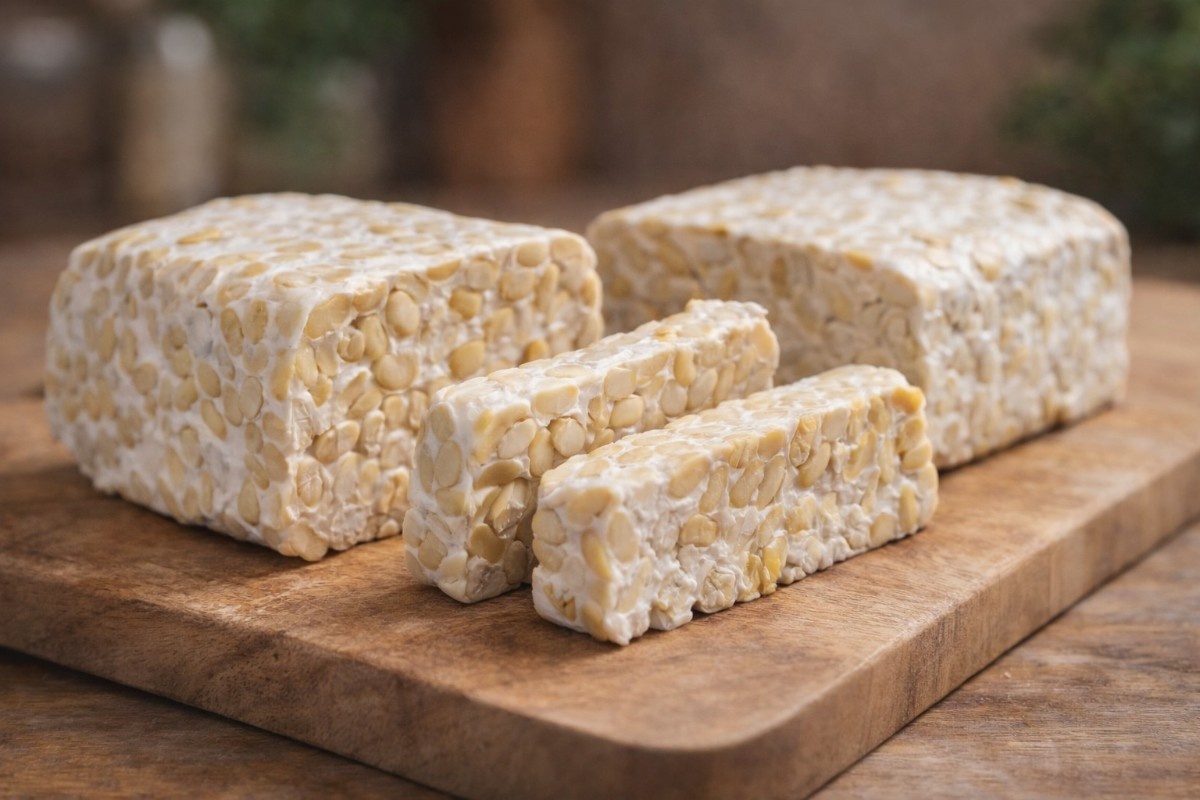
Fresh tempeh tastes like a quiet, savory secret. It’s got a gentle nuttiness, like toasted almonds or cashews, wrapped up in a deep, earthy flavor that reminds you of mushrooms. There’s a mild tang from the fermentation, a clean cultured note that whispers, it doesn’t shout. The texture is firm and chewy, which makes the whole experience feel substantial in your mouth. It’s not bland, and it’s not aggressive, it’s just confidently itself. The real trick is knowing how to coax that flavor out in your kitchen. Stick around, and I’ll show you how to make it sing.
Key Takeaways
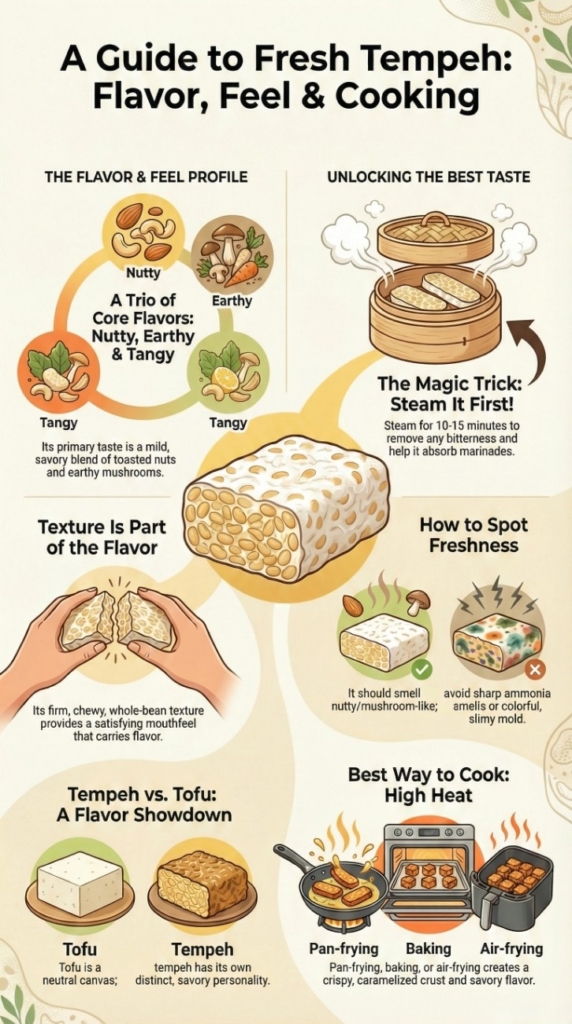
- A Balanced, Savory Core: The primary fresh tempeh taste profile is a blend of mild nuttiness, earthy mushrooms, and a clean, fermented tang.
- Texture is Part of the Flavor: Its firm, chewy, whole-bean texture provides a satisfying mouthfeel that carries and enhances its savory notes.
- Freshness is Everything: Properly made tempeh should never be unpleasantly bitter or smell strongly of ammonia; those are signs it’s past its prime.
The Building Blocks of Fresh Tempeh Flavor
You hold a block of it in your hand. It’s cool, firm, and speckled with whole soybeans bound together by a fine, white mycelium. This naturally results from the process of small batch tempeh production, where care and patience bring out its signature texture and taste.
It smells faintly nutty, maybe a little like fresh mushrooms. This is fresh tempeh at its best. Its flavor isn’t a single note you can shout from the rooftops, it’s more of a quiet conversation between elements that have been living together for a day or two.
Soya Maya Fresh Tempeh is made the traditional way — no preservatives, no shortcuts. Delivered to your door.
Order Fresh Tempeh →The taste unfolds. First, you notice a mild, savory nuttiness. It’s not the oil-rich punch of a peanut, but the softer, grainier note of an almond or a sunflower seed. This nutty tempeh flavor is the foundation.
Then comes the earthiness. It’s the depth you find in mushrooms, or in the soil after a light rain. This earthy tempeh taste gives it a grounded quality, something that feels substantial and real. Woven through both is a subtle fermented tang. It’s not sour, not like vinegar.
It’s more like the cultured note in a good yogurt or a very mild aged cheese. This clean fermented flavor is the signature of the Rhizopus mold doing its work, transforming simple soybeans into something complex.
- The primary taste is a mild, toasted nuttiness.
- An earthy, mushroom-like depth provides savory umami.
- A subtle, cultured tang from fermentation ties it all together.
This trio creates what we’d call a balanced savory note. It’s umami, but a gentle one. It has character, but it’s not overpowering. It’s a flavor that stands on its own but still politely makes room for sauces, spices, and marinades.
When we craft our SoyaMaya tempeh, we’re aiming for this exact balance, a clean, natural soybean taste that’s complex but never challenging.
How Tempeh’s Texture Carries Its Taste
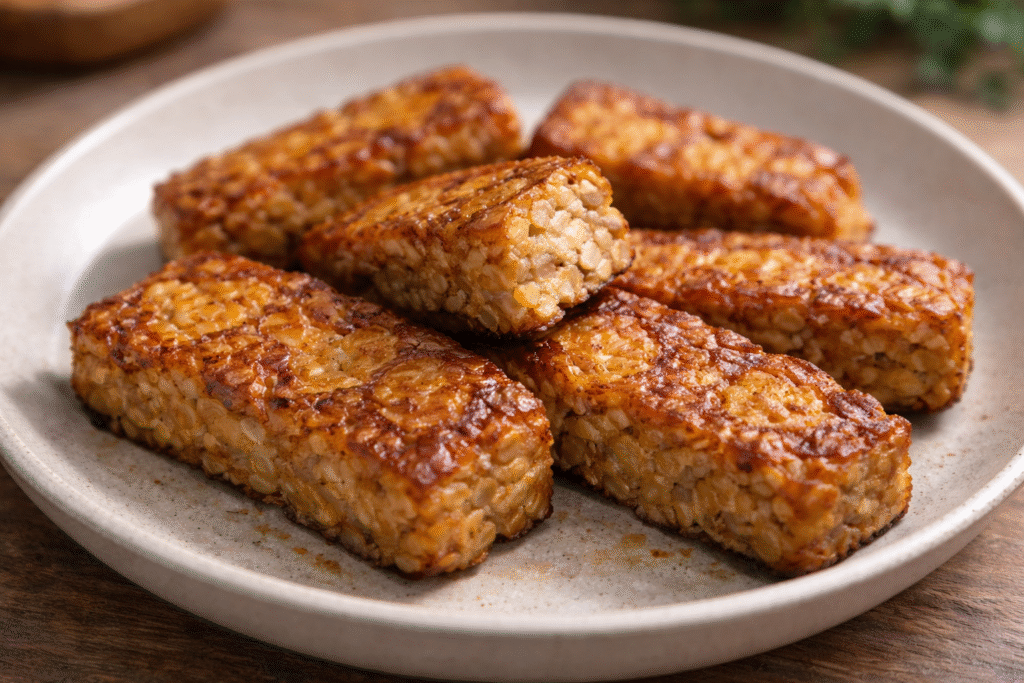
The flavor of fresh tempeh is inseparable from its texture. You don’t just taste it, you experience it. That firm yet tender texture is crucial. When you bite into a well-cooked piece, there’s a slight resistance, a pleasant chewiness that gives way.
Your teeth press through the dense network of mycelium and pop the individual soybeans. This fresh tempeh mouthfeel is substantial. It feels like real food in a way that softer proteins sometimes don’t.
This chewiness makes the flavor last longer on your palate. The nutty and earthy notes aren’t washed away in an instant, they linger and develop as you chew.
This grainy, whole-bean composition is key. Because the beans are intact, they release their flavor slowly. The texture also makes tempeh a champion at holding onto other flavors.
That dense, spongy structure acts like a flavor bank, soaking up marinades and holding onto the savory crust from searing.
The texture carries the taste. It turns the act of eating into something more engaging. You’re not just consuming calories, you’re interacting with a food that has a distinct physical presence.
A creamy tempeh interior might sound contradictory, but when steamed just right, that’s the feeling you get, a firm bite that yields to a surprisingly tender, almost creamy center, especially around the beans.
Tempeh vs. Tofu: A Flavor Showdown
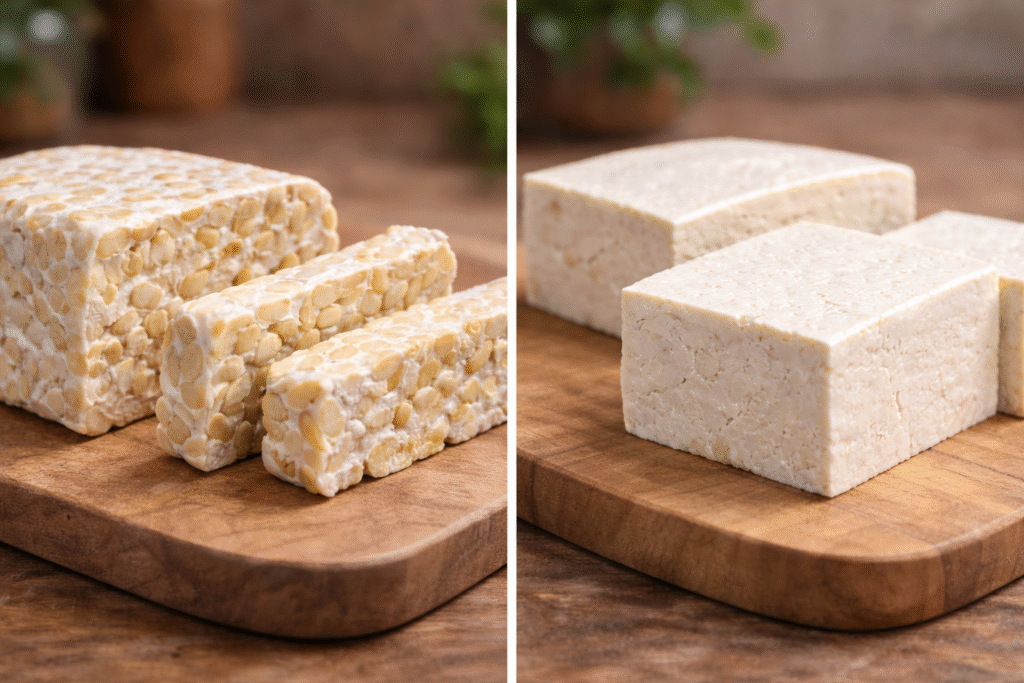
People often group tempeh and tofu together. They both come from soybeans, right. But putting them side by side on your plate is like comparing a loaf of rustic sourdough to a sheet of plain rice paper. Their flavors live in different neighborhoods.
Tofu is famously neutral. Its job is to absorb whatever flavors you cook it with, to provide a soft, protein-packed canvas. It has a mild, sometimes slightly beany taste, but it’s quiet.
“Tempeh is equally versatile. It can be steamed, baked, or sautéed and added to your favorite lunch or dinner dish, including sandwiches, soups, and salads.” Kaitlyn Berkheiser, Healthline
Tempeh has a significantly stronger, more distinct flavor. That fermented character is bold. It provides a foundational savoriness that persists even after you’ve slathered it in barbecue sauce or tossed it in a curry.
Where tofu whispers, tempeh speaks in a clear, measured tone. This isn’t about one being better, it’s about them having different roles. Need a blank slate? Tofu’s your friend. Want an ingredient that adds its own layer of nutty, earthy complexity to a dish? That’s where fresh tempeh shines.
Its flavor is active, a result of the live culture working on the beans. Tofu’ flavor is passive, shaped almost entirely by coagulation and pressing.
| Flavor Element | How It Tastes | What It Comes From |
| Nutty flavor | Mild and toasted, similar to almonds or cashews | Natural soybeans and fermentation |
| Earthy notes | Mushroom-like and grounded | Fermentation by Rhizopus mold |
| Fermented tang | Clean and gentle, not sour | Controlled fermentation process |
| Umami depth | Savory but balanced | Amino acids formed during fermentation |
Fixing Bitterness and Spotting Spoilage
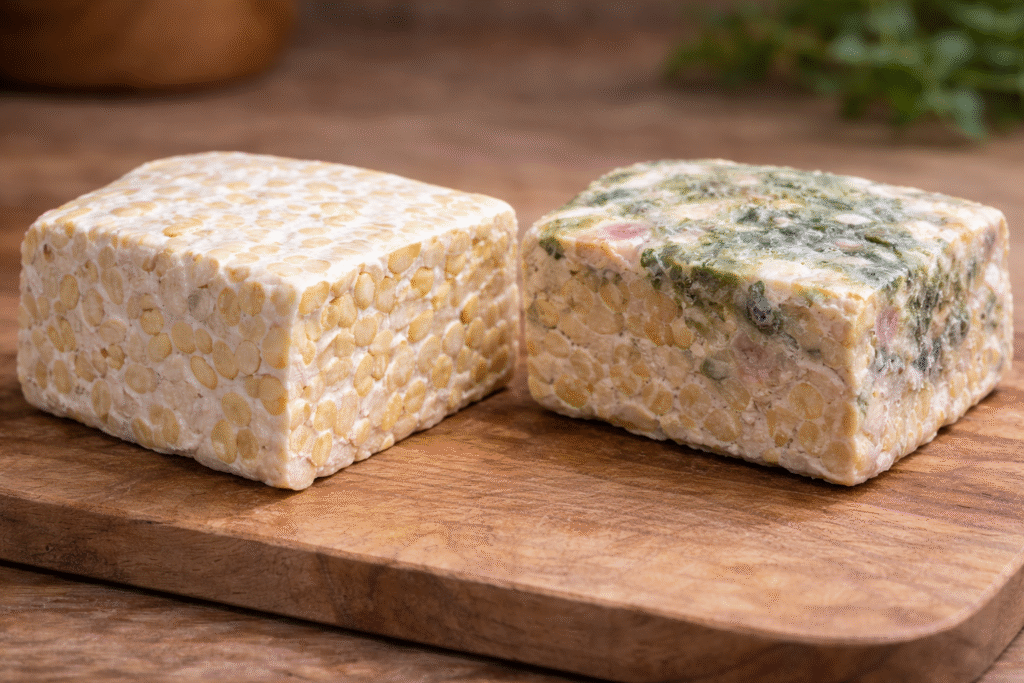
Sometimes you might bite into tempeh and get a harsh, unpleasant bitterness. This fresh tempeh bitterness isn’t what you want. It usually means one of two things.
First, it could be a sign of over-fermentation, something more common in mass-produced tempeh rather than the gentle, controlled process of artisanal tempeh where the culture is carefully managed.
Second, it can come from natural compounds in the soybean hulls called saponins. The good news is, this is almost always fixable with a simple step before you even start your recipe.
Steaming the whole block for 10 to 15 minutes is the magic trick. This gentle heat mellows those bitter notes right out. It doesn’t rob the tempeh of its characteristic nutty or earthy flavors, instead, it seems to calm them down and let the better parts shine through.
Steaming also opens up the tempeh’s structure, making it more receptive to marinades. An unsteamed block might soak up some sauce, but a steamed one will drink it in, often absorbing up to three times more flavor.
It’s a non-negotiable step in our own kitchen. We always give our tempeh a quick steam to ensure that clean, balanced taste comes through, whether we’re making a simple stir-fry or something more elaborate.
Knowing when tempeh is truly bad is just as important. Fresh tempeh should have a clean, mild aroma. Think fresh mushrooms, yeast, or that gentle nuttiness.
If you open the package and are hit with a sharp, overwhelming smell of ammonia, that’s a red flag. The fermentation has gone too far into spoilage territory.
Visually, while white fuzz and small black or gray spots (the spore heads of the Rhizopus mold) are normal and safe, any slimy texture or patches of pink, yellow, or green fuzzy mold mean it should go straight into the compost. A slight bitterness can be steamed away, but a foul smell or strange colors cannot be fixed.
Cooking Techniques That Make the Flavor Pop
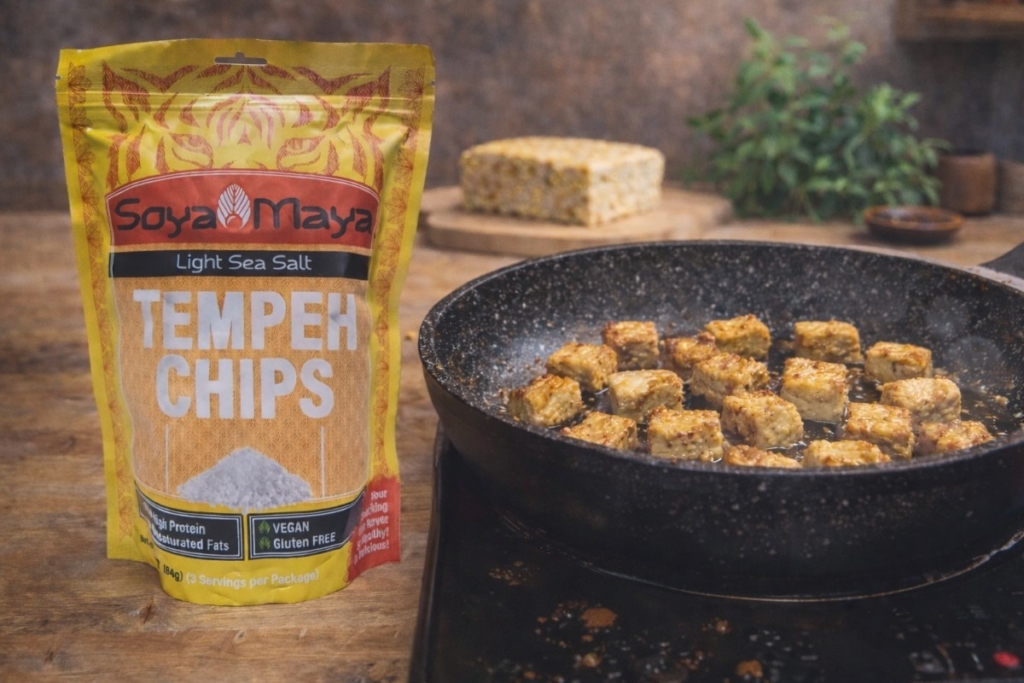
So you have this block of fresh tempeh with its gentle nutty flavor and firm texture. How do you turn it into a memorable meal? The goal is to complement its natural savoriness, not fight it. High-heat cooking methods are its best friends.
Many chefs who specialize in fresh artisanal tempeh recommend pan-frying to develop a rich crust that perfectly balances the nutty, earthy notes inside.
Slicing it and pan-frying it in a little oil creates a crispy, caramelized exterior through the Maillard reaction.
That browned crust adds a whole new layer of savory, almost meaty flavor that plays perfectly against the creamy, nutty interior. Baking or air-frying can achieve a similar crispy result with less hands-on time.
Marinating is where you can really direct the flavor. Because of the tempeh’s earthy depth, it pairs beautifully with bright, acidic components.
A marinade with soy sauce (for salt and umami), maple syrup or a touch of sugar (to encourage browning), and a good splash of rice vinegar or lime juice (to cut through the richness) is a classic for a reason. The acid balances the earthiness.
You can go in countless directions, smoky paprika, ginger and garlic, a spicy gochujang glaze. The tempeh soaks it all up.
Always cook it through. Raw tempeh can be hard to digest and its texture is unpleasantly chalky. Heating it to an internal temperature of about 165°F not only makes it safe but transforms its texture into something tender and delightful.
Embracing the Unique Taste of Tempeh
Understanding fresh tempeh taste is the first step toward enjoying it. It’s not a mysterious foreign ingredient, it’s a whole food with a clean, fermented flavor profile that’s both familiar and intriguing.
That mild nutty tempeh flavor, the earthy depth, the satisfying chew, they come together to create something uniquely versatile. It’s a flavor that can stand up to bold spices but is also comforting in its simplicity.
“In terms of taste, the higher sourness compared to bitterness provided a better balance to the flavour, in tempeh-like products.” Laura Alejandra Fernandez Castaneda
We make our SoyaMaya tempeh hoping it becomes that kind of staple in your kitchen, a source of reliable plant-based protein that actually brings its own pleasant, savory character to the table.
The best way to learn is to taste it for yourself. To experience that firm yet tender texture and the way it crisps up in a hot pan.
To see how it carries a marinade and makes a salad or a bowl feel complete. We invite you to experience this fresh tempeh eating experience firsthand.
You can find our Fresh Frozen Tempeh, crafted from non-GMO Indiana soybeans. Grab a block, steam it, slice it, and let it show you what a clean, natural, fermented flavor is all about.
FAQ
What does fresh tempeh taste like when eaten plain?
Fresh tempeh has a mild, balanced flavor when eaten plain. You can taste a natural soybean base with a mild nutty tempeh flavor and subtle umami notes. The flavor is neither salty nor sour. Instead, it offers a clean fermented flavor with a gentle nut aroma and a slightly mushroom-like flavor that feels savory and grounded.
Does fresh tempeh smell strong before cooking?
Fresh tempeh should not smell strong or unpleasant before cooking. A fresh tempeh aroma is usually mild, nutty, and slightly earthy, similar to fresh mushrooms. You may notice a light fermented aroma, but it should remain clean and neutral. A sharp or overpowering smell often indicates reduced freshness or improper fermentation.
Is fresh tempeh bitter, sweet, or neutral in taste?
Fresh tempeh is generally savory with a mild, balanced taste. It may have a faint sweetness from the soybeans, but bitterness should be minimal. A proper fresh tempeh taste profile includes a mild savory taste, subtle umami, and a non-sour tempeh taste. Strong bitterness usually means the tempeh needs steaming or proper cooking.
How does fresh tempeh texture feel when you bite into it?
Fresh tempeh has a firm yet tender texture that feels substantial when bitten. The whole soybean texture creates noticeable chewiness and a dense structure. When cooked correctly, the inside becomes soft and slightly creamy while maintaining its shape. This combination gives fresh tempeh a satisfying mouthfeel and a clean, smooth finish.
Does fresh tempeh taste different from pasteurized tempeh?
Fresh tempeh tastes noticeably different from pasteurized tempeh. Fresh tempeh has more depth of flavor, clearer fermented notes, and stronger umami richness. Pasteurization reduces aroma and complexity. Fresh, live tempeh retains balanced savory notes, a mild tangy taste, and a cleaner aftertaste that reflects its natural fermentation process.
Why Fresh Tempeh’s Flavor Is Worth Understanding
Fresh tempeh is a flavor worth slowing down for. Its clean nuttiness, gentle umami, and satisfying chew come from careful fermentation and true freshness, not heavy processing. When treated well, steamed, seasoned, and cooked with intention, it becomes comforting and versatile. Understanding its taste helps you cook with confidence and appreciate tempeh as a whole, living food with character. Experience this craft with SoyaMaya.
References
- https://www.healthline.com/nutrition/tempeh-vs-tofu#uses
- https://pmc.ncbi.nlm.nih.gov/articles/PMC11987698/
Related Article
- https://mayasaritempeh.com/what-is-artisanal-tempeh/
- https://mayasaritempeh.com/what-is-fresh-artisanal-tempeh/
- https://mayasaritempeh.com/how-is-small-batch-tempeh-made/
Soya Maya Fresh Tempeh
Traditionally fermented, no preservatives, shipped fresh and frozen to your door. The real deal, direct from us.
