
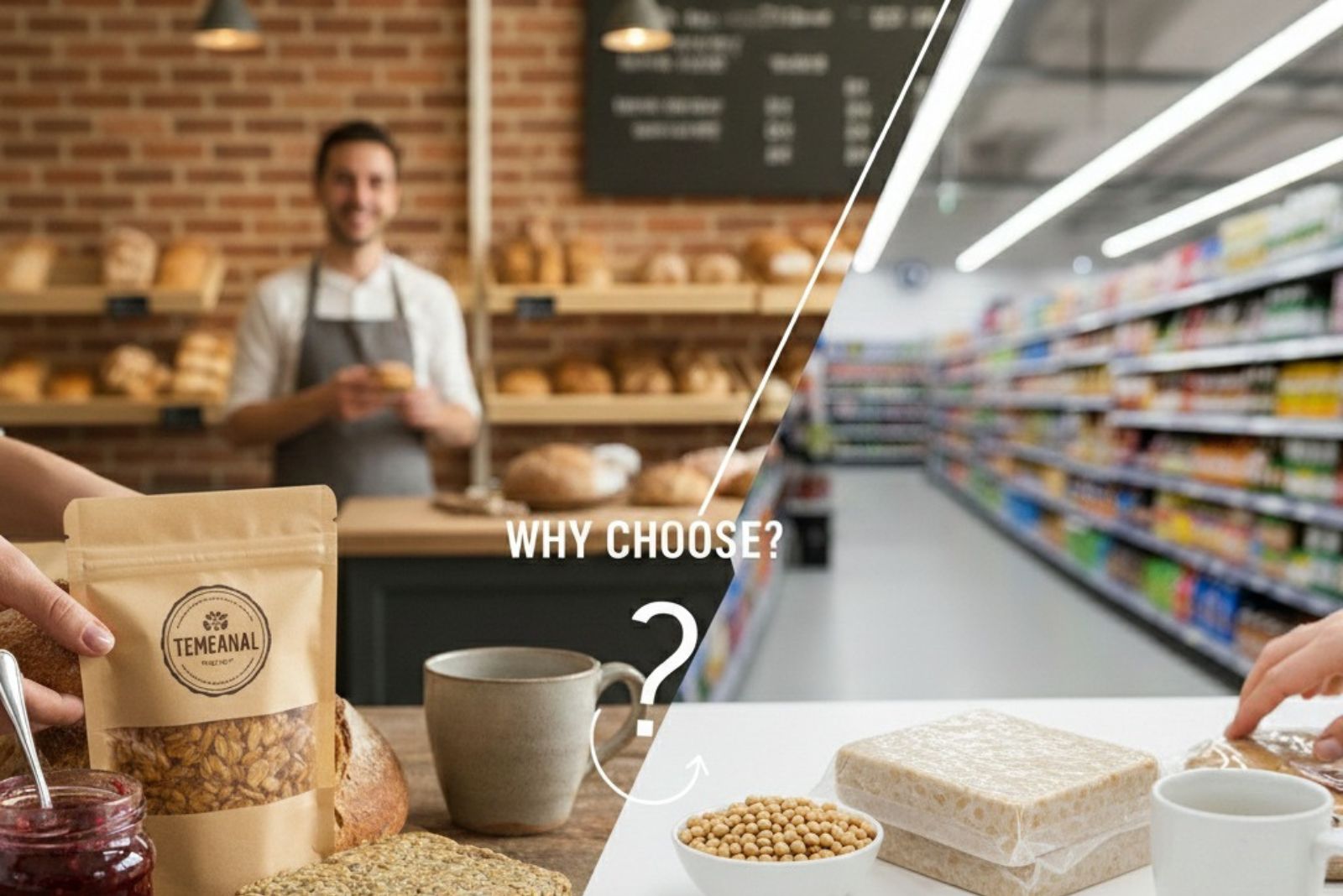
There’s a single, powerful reason to choose something made by hand: it feels real. You’re connected to a person, to a place, to a whole process that cares about what it becomes. It’s not snobbery. It’s that deep-down want for something genuine, something made with attention. Think about that disappointing, rubbery loaf of bread from the supermarket shelf, or the flimsy chair that wobbles after a few months. That’s the feeling we’re talking about. It matters. Choosing the artisanal thing changes what’s in your kitchen, sure, but it changes something else, too. Stick around to see what that is.
Key Takeaways
- Artisanal goods deliver deeper, more complex flavors because their makers prioritize taste over shelf life.
- You get a cleaner, more transparent product, free from the synthetic additives common in mass production.
- Your choice directly supports skilled craftsmanship, local economies, and more sustainable practices.
The First Bite That Changes Everything
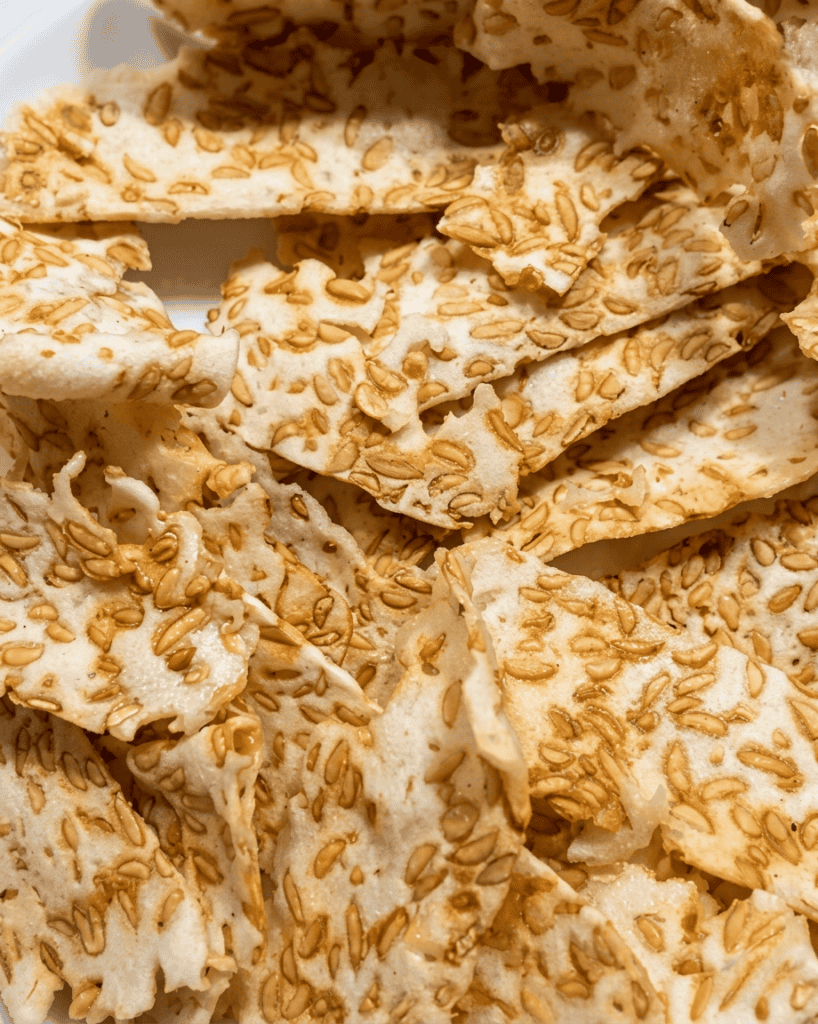
I remember the first time I bit into a real, hand-formed baguette from a baker who knew his starter by name. The crust shattered, the inside was chewy and tangy, and it tasted like something. It was a world away from the uniform, soft loaves I’d bought in plastic bags for years.
That experience, that simple shock of flavor and texture, is the heart of the artisanal argument. It’s not abstract. It’s in your hands, and on your tongue.
SoyaMaya Fresh Tempeh is made the traditional way — no preservatives, no shortcuts. Delivered to your door.
Order Fresh Tempeh →Commercial production is built for scale and consistency. It’s a marvel of efficiency, really. But that efficiency has a cost.
Flavors are often standardized, engineered for a broad palate and a long journey on a truck. Ingredients get chosen for stability, not peak quality.
A preservative might keep a cookie “fresh” for months, but it also flattens the taste of the butter and vanilla that were supposed to be there. You lose the high notes, the subtlety. What do you gain with artisanal?
- Nuance in every bite, from slower, traditional methods.
- Ingredients you can recognize, often sourced from nearby.
- A product with a fresh artisanal story, made by someone who put their name on it.
That baker wasn’t just selling bread. He was selling his morning, his skill, and his relationship with local grain.
When you buy artisanal, you’re buying into that chain of care. It’s a small transaction that feels big because it’s personal. You can ask him why the crust is darker this week, and he’ll tell you about the humidity. Try asking a corporate helpline about your grocery store muffin.
The Unbeatable Edge in Flavor and Quality
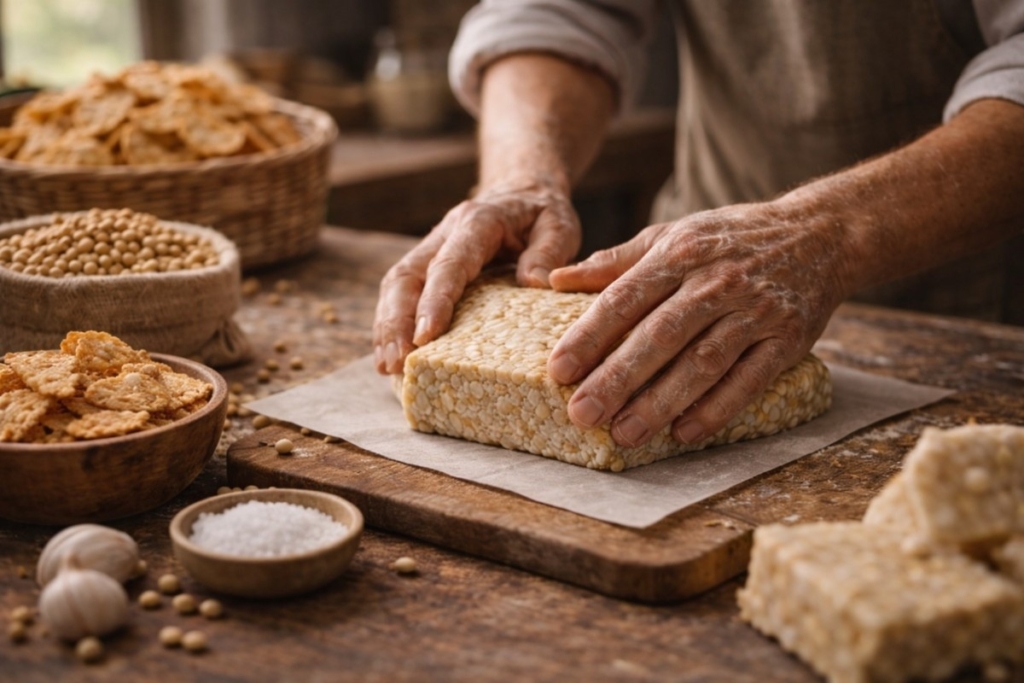
Let’s talk about tempeh. The commercial stuff you find in most stores is fine. It’s a protein block. But an artisanal tempeh maker, working in small batches, coaxes out a completely different product. The beans are sourced carefully, maybe even locally.
The culturing process is watched, not just timed. The result is a tempeh with a firmer, meatier texture and a deeper, nuttier, almost umami-rich flavor. It doesn’t just absorb a sauce, it contributes to it. This difference isn’t magic.
It’s the direct result of attention and intention, two things that get budgeted out in a commercial setting where speed and volume are the primary metrics.
Quality here isn’t a buzzword. It’s measurable. It’s the density of a sourdough crumb, the complex aroma of a small-batch chocolate, the way a hand-forged knife holds its edge. Commercial products aim for consistency, which is not the same as quality.
They aim to eliminate variables. Artisanal producers, however, sometimes embrace those variables. A different harvest of tomatoes means this year’s hot sauce has a brighter kick.
That’s not a flaw, it’s a feature of working with real, seasonal ingredients. It means every jar is a little snapshot of a specific time and place, something a factory vat could never be.
This hands-on approach allows for adjustments a machine can’t make. A cheesemaker feels the curd. A woodworker listens to the sound of a plane on the grain. This tactile feedback loop leads to a superior final product.
It might have slight variations, a character that shifts from batch to batch. That character is the fingerprint of human effort, and it’s what makes the thing worth having. You’re not just consuming an object, you’re experiencing a point of view.
What You’re Really Putting in Your Body
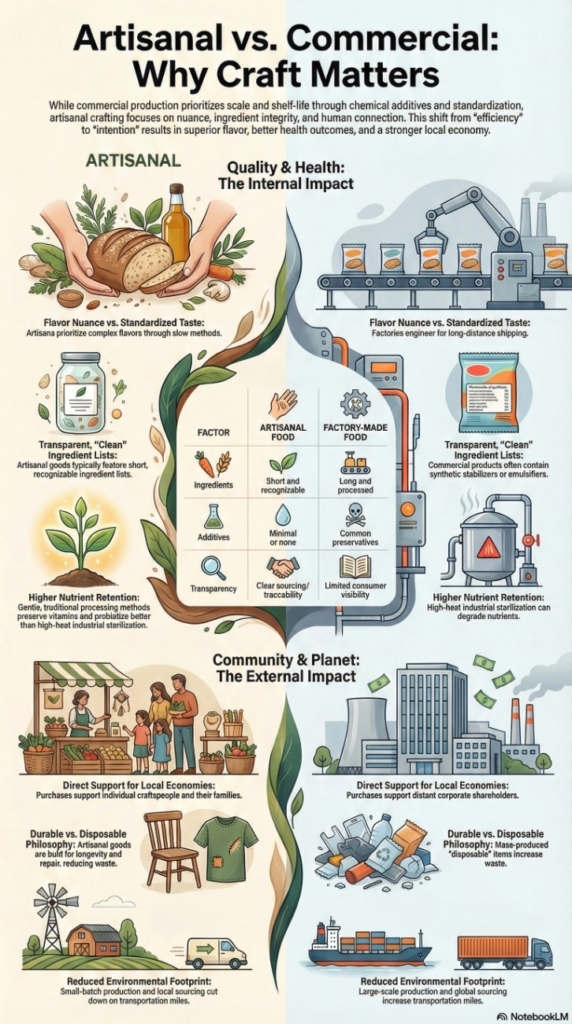
Flip over a package of mass-produced bread or a ready-made pasta sauce. The ingredient list can read like a chemistry experiment. Emulsifiers, dough conditioners, flavor enhancers, color stabilizers.
These are there for the product’s lifespan and the manufacturer’s convenience, not for you. An artisanal version of the same food might have three ingredients: flour, water, salt. Or tomatoes, garlic, basil. You don’t need a nutrition degree to understand which one is a cleaner fuel for your body.
“If an additive contains any allergen covered by the Food Allergen Labeling Consumer Protection Act (FALCPA), a list that presently includes egg, milk, peanut, tree nut, soy, wheat, fish, and shellfish, the allergen must be stated on the label.” – FARE
The health benefits are straightforward. Fewer synthetic additives means your body isn’t working to process ingredients it wasn’t designed to handle.
Artisanal producers tend to use higher-quality base ingredients, too. That means best grains, pasture-raised dairy, ripe, in-season produce. The nutrients are more potent because the ingredients haven’t been processed into oblivion.
A commercially canned vegetable is often cooked at high heat to sterilize it, leaching vitamins and flavor. An artisanal preserved vegetable might be fermented or pickled in a way that actually adds beneficial probiotics.
- Clean labels are the norm, not a marketing claim.
- Nutrient density is higher from fresh, whole ingredients.
- No hidden chemicals to extend shelf life artificially.
It’s about transparency. When you buy a jar of jam from a farmer’s market, you can ask the person who made it what’s in it. They’ll probably tell you exactly which farm the berries came from. That chain of knowledge is a form of care.
It means the producer stands behind what they’ve made, from the soil to the jar. You can’t get that from a faceless corporation. Choosing artisanal is a way to vote for food that is food, not just a food-like product.
| Factor | Artisanal Food | Factory-Made Food |
| Ingredient list | Short and recognizable | Long and processed |
| Use of additives | Minimal or none | Common preservatives and stabilizers |
| Processing method | Traditional or low-impact methods | High heat, industrial processing |
| Nutrient retention | Higher due to gentle handling | Often reduced during processing |
| Freshness focus | Shelf life vs freshness balanced toward freshness | Shelf life prioritized over freshness |
| Transparency | Clear sourcing and traceability | Limited consumer visibility |
The Ripple Effect of Your Choice
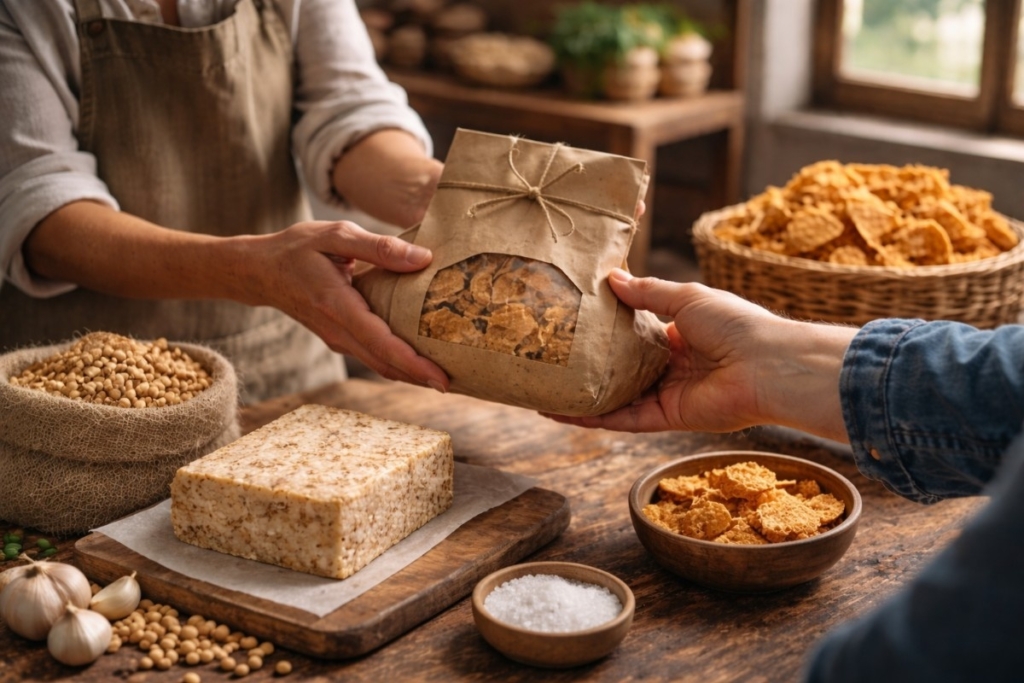
This might be the most profound reason to choose artisanal. Your money goes to a person, not a shareholder. It supports a craftsperson’s mortgage, their kid’s braces, their dream of keeping a tradition alive. Consider the value of finding authentic Indonesian tempeh that supports such craftsmanship.
That local potter isn’t just selling a mug. They’re selling years of practice, a unique glaze formula they developed, and a piece of functional art you’ll use every day.
That connection has value. It creates a community economy where wealth circulates locally, building resilience. It keeps skills alive that would otherwise be lost to automation.
Environmentally, the scale favors the artisan. Small batches mean less waste. Local sourcing cuts down on transportation miles, the carbon footprint of your purchase shrinks. Many artisanal producers are naturally drawn to sustainable practices.
A large commercial operation is often locked into a system of cheap inputs and global distribution that is inherently harder on the planet. Their primary driver is cost, not stewardship.
Think about a piece of furniture. A mass-produced bookshelf is made from particleboard, held together with glue and veneer.
It’s designed to last a few years, then be replaced. An artisanal bookshelf is made from solid wood, joined with mortise and tenon. It’s repaired, not replaced. It becomes an heirloom.
This difference in philosophy, disposable versus durable, has massive implications for resource consumption and waste. Choosing the artisanal option is often the more sustainable choice in the long run, even if the upfront price is higher.
The Artisanal Imperative
Choosing artisanal over commercial isn’t about buying the most expensive thing in the room. It’s about making a conscious choice for quality, health, and humanity. It’s understanding that every purchase is a tiny vote for the kind of world you want to live in.
“Consumers are willing to pay more for artisanal food, feeling that it tastes better, is healthier, and helps support family-owned operations.” – Cecilia T Cirne et al, Science of Food
Do you want a world of bland, anonymous stuff, or one filled with unique, flavorful, well-made things that have a story? You’ll taste the difference in the food.
You’ll feel the difference in the objects you use. And you’ll see the difference in your community. Start small. Next time you need bread, find a local baker. Need a gift? Find a local maker. It’s a habit that rewards you every single day.
FAQ
Why choose artisanal over commercial when prices are often higher?
Choosing artisanal over commercial usually means paying for time, skill, and deliberate decision-making rather than scale. Artisanal vs commercial products differ because small producers focus on quality, not volume. You are paying for better ingredients, hands-on production, and careful oversight. Over time, handmade vs mass produced items often last longer and provide better overall value.
How does artisanal ingredients quality differ from mass produced foods?
Artisanal ingredients quality comes from small scale food production and intentional sourcing. Unlike commercial food processing, artisans select ingredients for freshness, flavor, and origin rather than shelf stability. This approach reduces reliance on preservatives in commercial products and supports minimal processing benefits. The result is food that reflects real ingredients instead of industrial shortcuts.
Are there real health benefits of artisanal food vs factory made?
Artisanal food vs factory made often differs in how nutrients are preserved. Traditional methods vs industrial systems avoid excessive heat treatment and synthetic stabilizers. This helps maintain artisanal nutritional value and supports live culture artisanal food, especially in fermented products. Fewer additives and gentler handling make artisanal food easier to digest and more nutritionally intact.
How does small batch production affect flavor and texture?
Small batch production benefits include close monitoring, controlled timing, and the ability to adjust during production. Unlike commercial standardization vs artisanal methods, artisans respond to texture, aroma, and fermentation progress in real time. This results in greater artisanal flavor complexity, improved texture, and consistent care across batches that industrial efficiency cannot replicate.
How does supporting local artisans impact sustainability and ethics?
Supporting local artisans strengthens ethical food production and long-term sustainability. Small producers vs big brands depend less on long supply chains and large-scale distribution. Artisanal production methods generate less waste and allow clear product traceability. This transparency builds artisanal food trust by showing who made the product, how it was made, and where ingredients came from.
Why Choosing Artisanal Truly Matters
Choosing artisanal is choosing intention over indifference. It means valuing flavor, integrity, and human effort in a world built for shortcuts. Each artisanal purchase supports real skill, cleaner ingredients, and a slower, more thoughtful way of making food.
The difference shows up in taste, durability, and trust. Over time, these small choices shape not just what you eat, but the kind of economy, culture, and community you help sustain.
Ready to choose food made with care? Explore SoyaMaya’s small-batch tempeh and protein tempeh chips, crafted from non-GMO soybeans and rooted in Indonesian tradition.
References
- https://www.foodallergy.org/resources/food-additives-and-allergies/intolerances
- https://pmc.ncbi.nlm.nih.gov/articles/PMC6731266/
Related Article
- https://mayasaritempeh.com/what-is-artisanal-tempeh/
- https://mayasaritempeh.com/what-is-fresh-artisanal-tempeh/
- https://mayasaritempeh.com/finding-authentic-indonesian-tempeh/
SoyaMaya Fresh Tempeh
Traditionally fermented, no preservatives, shipped fresh and frozen to your door. The real deal, direct from us.
