
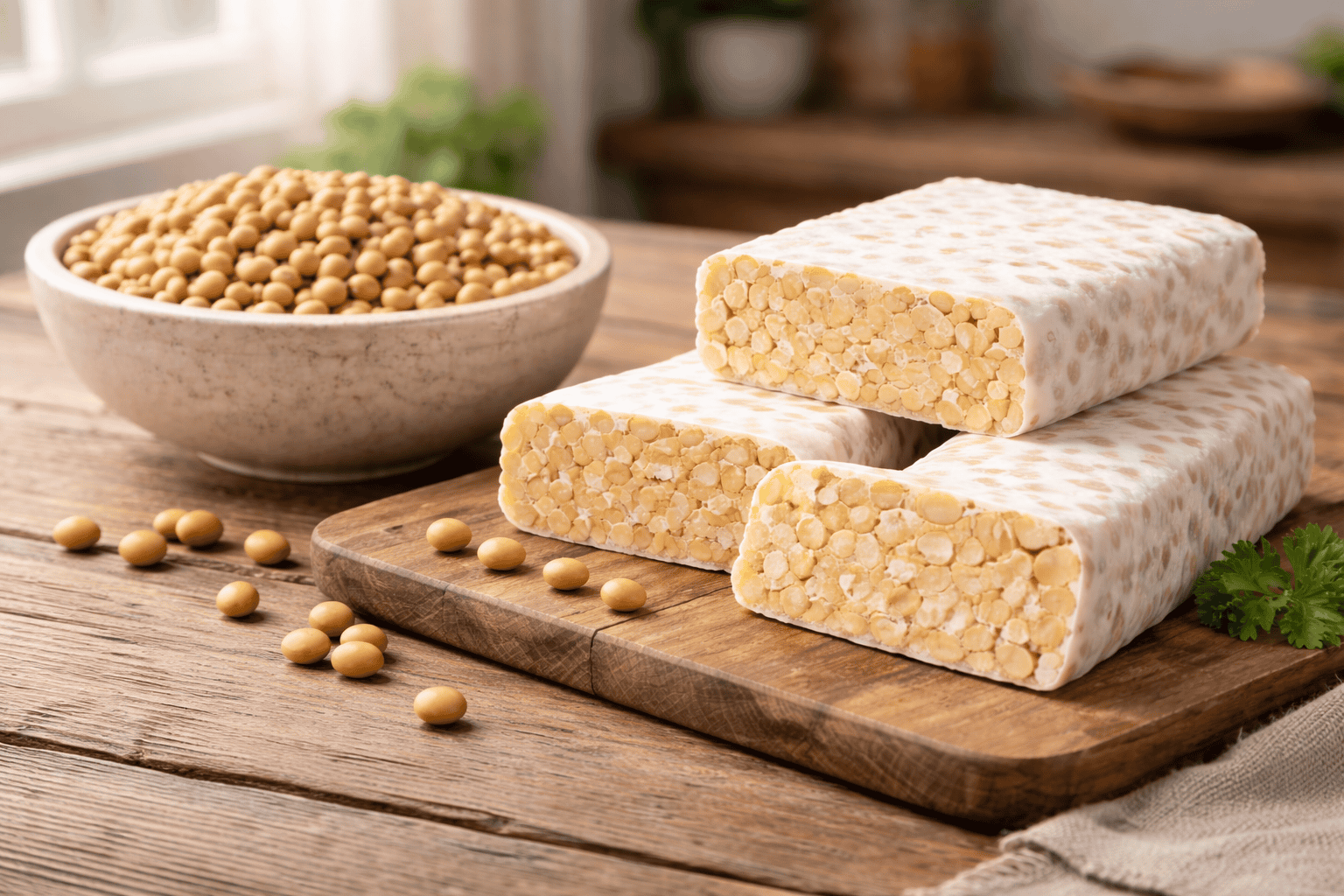
Flavor starts with the bean. Whole soybeans give you a mild, nutty base, a little sweetness, and a natural savoriness that soaks up other flavors during cooking or fermenting.
We’ve seen this every day in our kitchen with SoyaMaya. After preparing countless batches, the whole bean just tastes different, it’s creamier, has more body, and lets fermentation do its work, building something richer.
That’s why it’s the core of foods like tempeh. To get into the details of how we use it, keep going.
SoyaMaya Fresh Tempeh is made the traditional way — no preservatives, no shortcuts. Delivered to your door.
Order Fresh Tempeh →Quick Flavor Insight: Why Whole Soybeans Matter
- The flavor of whole soybeans is naturally mild, nutty, and a bit sweet. This creates a balanced base for other ingredients.
- When you cook or ferment them, that flavor changes. It develops a richer, deeper savory quality, what we often call umami.
- Using the whole bean matters. It keeps those original flavor compounds intact, which is key for getting the authentic taste in traditional foods, like tempeh.
What Flavor Do Whole Soybeans Naturally Have?
Whole soybeans taste mild and nutty, with a light sweetness and an earthy note. They’re balanced, which makes them a great base for other ingredients.
Studies, including those the USDA references, point to the beans’ natural oils and proteins for this profile.
In our kitchen, the smell of cooking whole soybeans is always gentle and familiar, like roasted nuts mixed with fresh legumes. The taste is subtle but definitely there.
“Reduction of residue during filtration is effected by dehulling the beans prior to soaking. They also reduced the necessary soaking time to soften the beans. This modification also permits the grinding of the beans so that the whole endosperm could be made into milk without necessarily affecting the flavor.” – National Science Development Board Technology Journal
That mildness is actually their strength. They don’t take over a dish, but they add a solid foundation and depth. From working with them constantly, a few specific notes come through clearly:
- A nutty undertone.
- A soft, earthy taste.
- A mild, natural sweetness.
- A clean, basic bean flavor.
These traits let whole soybeans be a neutral, yet still flavorful, starting point.
How you cook them changes the experience, too. The flavor stays balanced, but the texture shifts everything.
- They turn creamy when boiled.
- They get firm and chewy when roasted.
- They become smooth when blended into something like soy milk.
Because the flavor itself is so adaptable, whole soybeans work just as well in a savory stew as they do in a fermentation project.
Why Do Whole Soybeans Sometimes Taste “Beany” or Grassy?
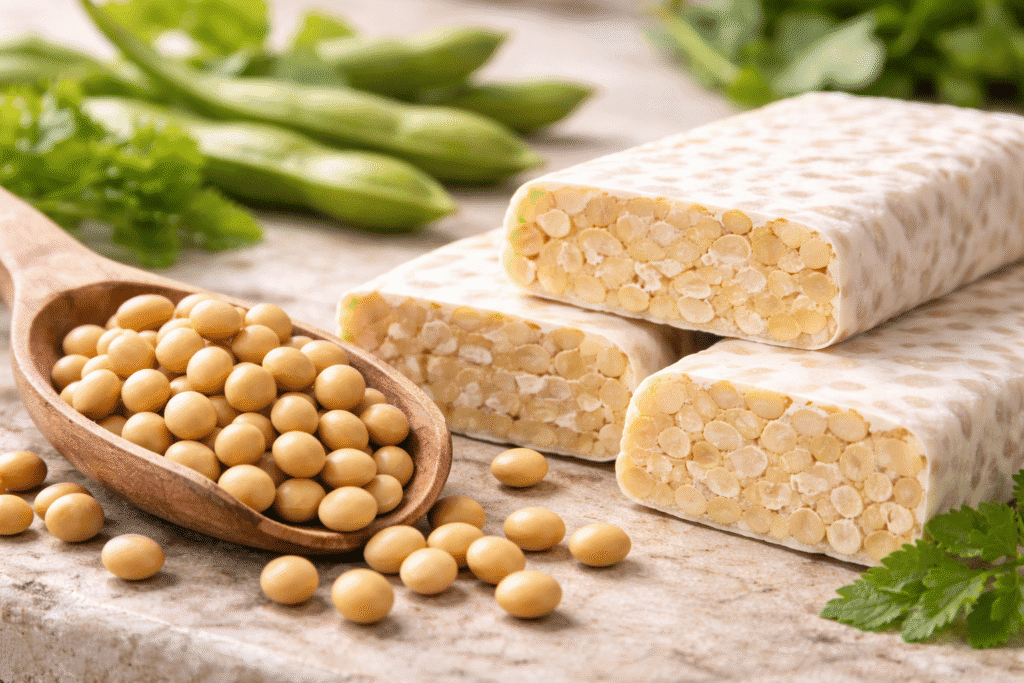
That distinct “beany” or grassy flavor comes from natural enzymes in the soybean. Specifically, enzymes called lipoxygenase (often labeled LOX-1, LOX-2, LOX-3) break down the bean’s fats.
This chemical reaction creates volatile compounds, like hexanal, which give off that sharp, green aroma. Research from places like Cornell University has detailed this process.
In practice, we see this happen when soybeans are raw or freshly ground. The enzymes become active, interact with the bean’s oils, and produce those grassy notes.
The aroma gets noticeably sharper and less balanced when we process beans without soaking or cooking them first.
A few key enzymes drive this:
- LOX-1
- LOX-2
- LOX-3
Their job is to oxidize the soybean’s lipids. The resulting flavor compounds include things like hexanal and other aldehydes, which create those fresh, grassy aromas.
This flavor isn’t bad or harmful; it’s just part of the bean’s natural chemistry. The good news is traditional preparation methods have dealt with it for ages.
Simple steps like soaking, boiling, or fermenting the beans deactivate these enzymes. That’s what allows the milder, nuttier, and more savory flavors we prefer to come forward.
How Does Soaking Whole Soybeans Change Their Flavor?
Soaking whole soybeans for about 8 to 12 hours does two main things: it softens them and reduces bitterness by dissolving certain compounds. This step is standard in traditional preparation, like in Japanese tofu-making research.
In our process, whether we’re getting beans ready for fermentation or for cooking, soaking always comes first. It fundamentally changes the bean.
Water moves into the bean during the soak. This starts to dissolve the compounds that cause bitterness or any harsh aromas. The improvement in taste is clear:
- Bitterness is reduced.
- The bean’s structure softens.
- The natural aroma becomes cleaner.
Soaking also sets the beans up for better cooking. The changed texture lets heat penetrate more evenly, which leads to a smoother, more consistent flavor later on.
It makes cooking more efficient, too, boiling time is faster, the cooking is more even, and the finished dish has a better mouthfeel.
We always drain the soaking water and use fresh water for cooking. This washes away the dissolved compounds and keeps the final flavor clean.
These simple preparatory steps aren’t just routine; they make a noticeable difference in how the soybeans taste.
How Does Cooking Whole Soybeans Transform Their Taste?
Credits: Sauce Stache
Cooking whole soybeans deactivates the enzymes that cause grassy flavors and enhances the bean’s natural sweetness.
It creates a creamy texture and develops a mild umami taste, a change noted in nutrition research from institutions like Harvard.
In our kitchen, you can actually smell the shift once the beans start boiling. The sharp, green notes fade away, replaced by a warmer, nuttier aroma.
After they’ve simmered for a while, the whole room fills with a savory smell that tells you the beans are getting tender.
You can see this transformation in practice with fresh tempeh, where cooking and fermentation preserve the bean’s natural flavor and texture.
Media-milled soymilk had similar particle size distribution, pH, morphology, appearance but significantly higher solid recovery (98.40 ± 0.46%), viscosity (160.59 ± 4.26 cp), stability than those of filtered one (75.67 ± 0.74%, 4.22 ± 0.02 cp, respectively) with the same amount of raw material consumed. – NTU Journal of Food Science
A few specific changes happen as they cook:
- Grassy aromas decrease.
- The natural sweetness becomes more noticeable.
- Umami compounds start to develop.
Texture is a big part of taste, too. A well-cooked soybean becomes creamy inside, stays slightly firm on the outside, and leaves a pleasantly nutty aftertaste.
How you cook them changes the final flavor.
| Cooking Method | Flavor Change | Texture Result | Typical Use |
| Boiling | Reduces grassy notes and enhances natural sweetness | Creamy inside, slightly firm outside | Soups, stews, fermentation |
| Roasting | Creates deeper nutty and toasted flavors | Firm and crunchy | Snacks, toppings |
| Fermentation | Develops strong umami and complex savory taste | Firm but tender structure | Tempeh, fermented foods |
These transformations are exactly why soybeans work with so many different cooking methods.
How Whole Soybeans Influence the Flavor of Dishes

Whole soybeans influence dishes by acting as natural flavor carriers. They soak up seasonings while adding their own mild nuttiness and a plant-based savory depth.
This versatility is why they’re considered a foundational ingredient in many global cuisines. We see this in action all the time.
The beans absorb the flavors you cook them with, but they never lose their own subtle character. That’s what makes them so useful, they support and enhance other ingredients instead of fighting with them.
A few of their traits make this possible:
- They absorb spices and herbs really well.
- They pair naturally with other umami-rich ingredients.
- They help balance out acidic sauces or sharp aromatics.
Some flavor combinations we use regularly are garlic and ginger, chili and vinegar, or soy sauce with other fermented condiments.
You’ll find whole soybeans in all sorts of dishes:
- Stir-fries
- Soups and stews
- Grain bowls and salads
In fermented foods like tempeh, their role changes. Microorganisms break down the bean’s proteins and fats, creating an even deeper, more complex flavor that’s distinctly its own.
Learn more about which soybeans make the best tempeh to see how different varieties influence flavor and texture.
Techniques That Improve Whole Soybean Flavor
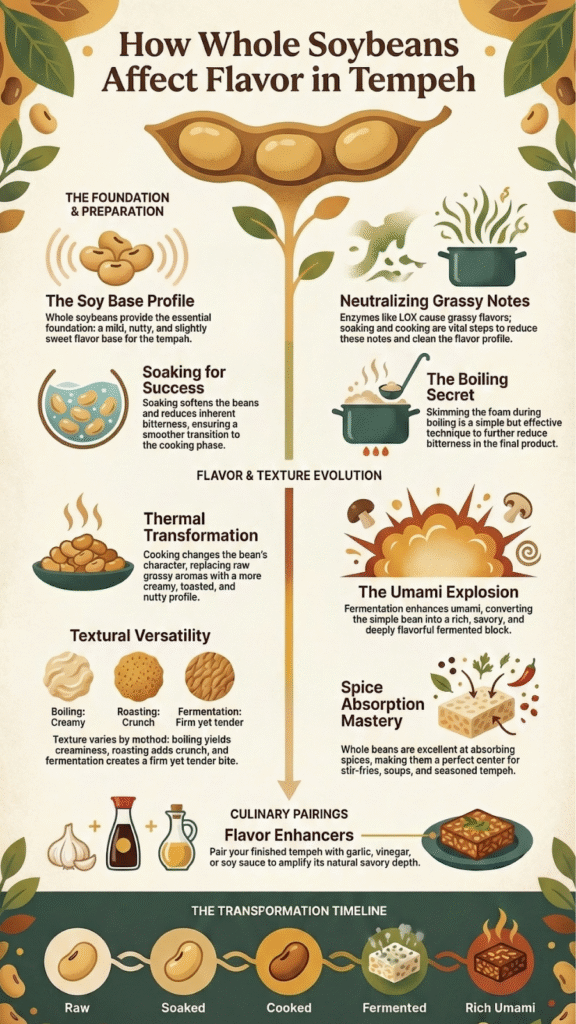
Simple, traditional preparation can make a big difference in how soybeans taste. It reduces bitterness and those grassy notes by limiting the formation of compounds like hexanal, which food science research has pinpointed.
We’ve found over the years that flavor depends as much on how you prepare the beans as on the beans themselves. The most effective steps are straightforward.
First, soak the soybeans overnight. Then, boil them thoroughly before using them in any recipe. A small but important step is to remove the foam that forms early in boiling.
Skimming this off gets rid of hull fragments and proteins that can add a bitter edge to the final dish.
Pairing the beans with the right ingredients helps, too. Good flavor strategies include adding aromatics like garlic, using something acidic like vinegar or citrus, or combining them with savory seasonings.
The beans you start with matter. Fresh, well-stored soybeans generally give you a milder, cleaner flavor to build on.
You can also explore the differences between whole vs split soybeans in tempeh to understand how the bean type affects texture and taste.
FAQ
What does the flavor profile of whole soybeans taste like?
The whole soybeans flavor profile is mild, balanced, and easy to recognize. The taste of whole soybeans usually includes a nutty flavor, mild earthy taste, and subtle sweetness.
These whole soybean flavor characteristics also create gentle savory notes and a clean soybean flavor. Together, they form an authentic soybean taste with a natural bean sweetness and a pleasant whole bean taste.
Why do whole soybeans sometimes develop beany or grassy flavor notes?
Whole soybeans sometimes develop a beany flavor or grassy notes because of natural flavor chemistry in the beans. Lipoxygenase flavor impact can trigger lipid oxidation flavor reactions during grinding or soaking.
These reactions may produce a hexanal flavor note. These whole soybeans flavor molecules influence flavor perception and can create the fresh bean flavor many people associate with raw soybeans.
How does cooking change the flavor of whole soybeans?
Cooking creates a clear whole soybeans flavor transformation during cooking. After soaking, boiling, or steaming, whole soybeans cooked flavor changes become smoother and less grassy.
Roasting can add deeper roasted flavor notes and a stronger natural soybean fragrance. These steps improve whole soybeans flavor development, enhance flavor balance, and help create a more pleasant and stable flavor quality.
How does fermentation influence the taste of whole soybeans?
Fermentation significantly changes the taste of whole soybeans. During this process, whole soybeans flavor during fermentation develops deeper savory notes and stronger umami taste. The beans also produce a fermented soybean aroma and a richer fermented taste profile. This process creates the traditional tempeh flavor and increases overall whole soybeans flavor complexity and depth.
Why do whole soybeans work well as a base flavor in many dishes?
Whole soybeans work well as a cooking base because they have a mild bean taste and balanced flavor structure. Their plant based flavor base allows seasoning absorption and supports ingredient flavor contribution.
Whole soybeans also provide a natural umami source that improves flavor depth. This quality gives whole soybeans strong culinary flavor versatility in many protein rich foods.
The Real Flavor Behind Whole Soybean Fermentation
You notice it right away when fermented foods taste flat or overly seasoned. The flavor feels forced, like something is missing from the base ingredient. That usually happens when the beans themselves lack character. At SoyaMaya, we start with whole soybeans and let fermentation do the work. As they ferment, their natural nuttiness deepens and the flavor becomes richer without heavy seasoning, creating tempeh that tastes simple, balanced, and truly satisfying.
Taste the difference for yourself. Explore SoyaMaya products
References:
- https://scholars.lib.ntu.edu.tw/entities/publication/7a89b7f0-6088-4576-b06f-6d035b19e6ef
- https://projects.pchrd.dost.gov.ph/index.php?view=research&cid=11305
Related Articles:
- https://mayasaritempeh.com/fresh-tempeh/
- https://mayasaritempeh.com/whole-vs-split-soybeans-in-tempeh/
- https://mayasaritempeh.com/which-soybeans-make-the-best-tempeh/
SoyaMaya Fresh Tempeh
Traditionally fermented, no preservatives, shipped fresh and frozen to your door. The real deal, direct from us.
