
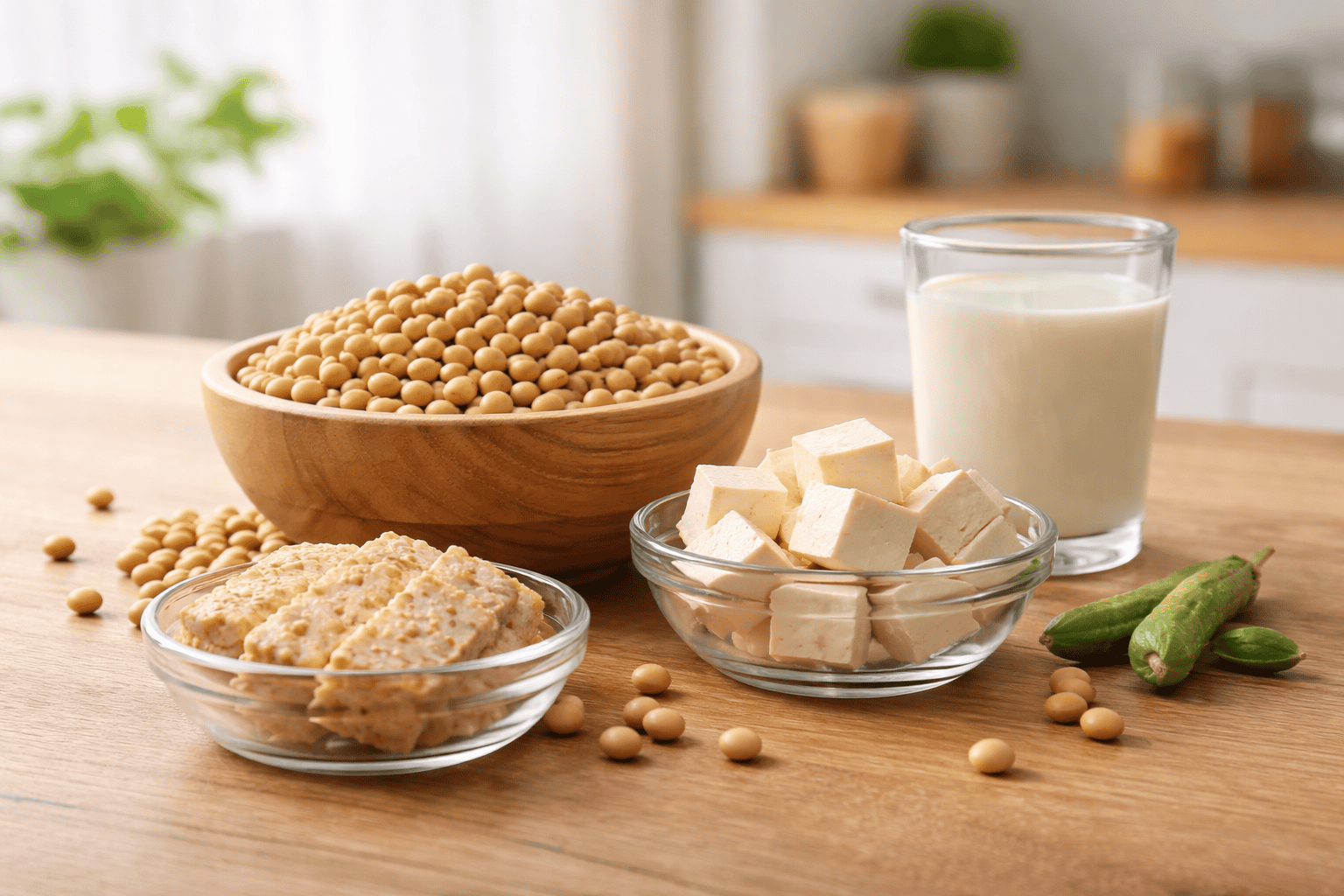
Whole soybeans are incredibly nutritious, and we build our recipes around them at SoyaMaya. The numbers speak for themselves: 100 grams of prepared tempeh delivers a concentrated 19-20 grams of protein and 5-9 grams of fiber.
In our kitchen, we see how the protein and fiber in soybeans work together. Combined with their unsaturated fats, B-vitamins, and fiber, soybeans help support muscle repair and promote healthy digestion.
It’s the reason we use whole beans as the base for foods like our tempeh, where fermentation makes those nutrients more available.
SoyaMaya Fresh Tempeh is made the traditional way — no preservatives, no shortcuts. Delivered to your door.
Order Fresh Tempeh →The science is clear, and the everyday benefit is real. We’ll break down exactly why these beans are so powerful in a plant-based diet. Keep reading to get the full picture.
Quick Reads: Why Whole Soybeans Matter
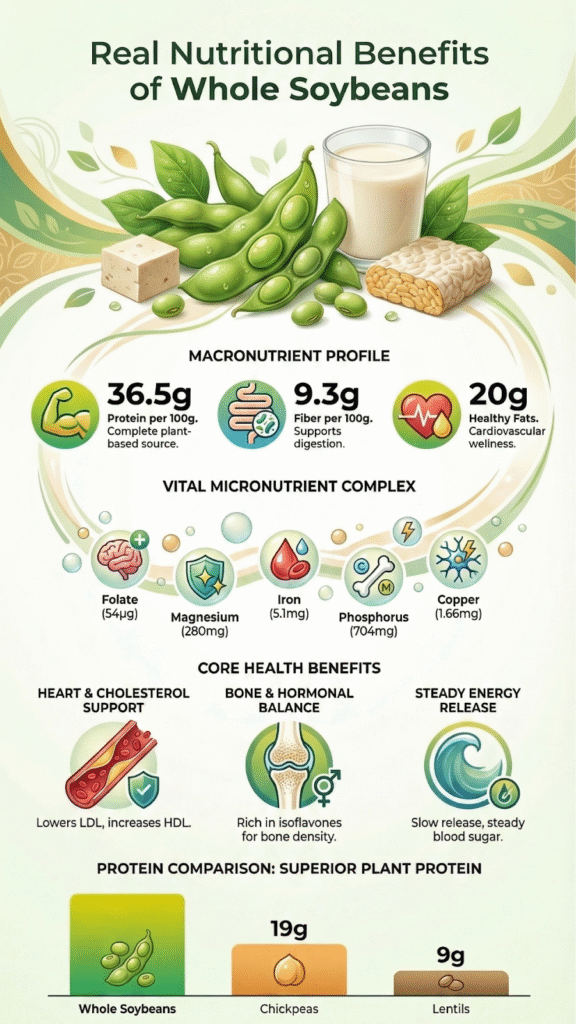
- Whole soybeans are a complete protein source, meaning they contain all nine essential amino acids your body needs. USDA data shows they deliver around 36.5 grams of protein per 100-gram serving.
- The fiber, polyunsaturated fats, and isoflavones in soybeans help reduce LDL cholesterol and support cardiovascular health.
- When we ferment soybeans into foods like tempeh, it does two important things. It makes the beans easier to digest and helps your body absorb their nutrients more effectively, all while keeping the core nutritional profile intact.
What Nutrients Are Found in Whole Soybeans?
Whole soybeans are one of the most nutrient-dense legumes, delivering protein, fiber, unsaturated fats, and key minerals.
A 100 grams of prepared tempeh delivers a concentrated 19-20 grams of protein and 5-9 grams of fiber, according to USDA data. This makes them one of the most nutrient-dense plant foods around.
In our kitchen, we rely on soybeans for their dense nutritional profile. They deliver a solid mix of protein, fiber, and healthy fats that we’ve found essential for creating balanced, satisfying meals.
The beans offer plant-based protein, dietary fiber, and mostly unsaturated fats. This combination helps stabilize blood sugar, improve digestion, and provide steady metabolic energy.
Data from the USDA FoodData Central shows they’re also a meaningful source of folate, magnesium, and iron.
We particularly value whole soybeans for traditional preparations. When we ferment them into tempeh, the process makes the nutrients easier to digest while keeping the bean’s natural structure intact.
Here’s the primary macronutrient breakdown per 100 grams:
- Protein: 36.5g
- Carbohydrates: 30g
- Fat: 20g (mostly unsaturated)
- Fiber: 9.3g
- Energy: 446 kcal
This balance is what makes soybeans a reliable, everyday plant food.
Key Vitamins in Whole Soybeans
The vitamin profile in soybeans supports energy and cell function. Notable amounts include:
- Folate: 375 µg (94% DV) in dry beans; approximately 54 µg (14% DV) per 100g cooked.
- Thiamin (B1): 0.87 mg (73% DV)
- Riboflavin (B2): 0.87 mg (67% DV)
- Vitamin K: 47 µg (39% DV)
These vitamins are crucial for turning food into energy and supporting nervous system health.
Essential Minerals
The mineral content in soybeans is substantial and often compares favorably to other protein sources.
- Iron: 5.1 mg (28% DV) per 100g cooked
- Magnesium: 280 mg (70% DV)
- Phosphorus: 704 mg (100% DV)
- Copper: 1.66 mg (184% DV)
For the complete, official nutrient breakdown, you can view the full profile on the USDA FoodData Central website.
Because they’re so nutritious, whole soybeans have been a key food for generations in places like Japan, Indonesia, and China. People have relied on them in plant-based diets long before it was a common practice.
Why Are Whole Soybeans Considered a Complete Plant Protein?
Whole soybeans have all nine essential amino acids, making them a complete protein.This means soybeans are part of a small group of plant foods.
Their protein is as good as the protein from many animal foods. Groups like the Food and Agriculture Organization agree on this standard.
We learned this firsthand in our kitchen. When we began developing recipes with soybeans, we were struck by how different they felt compared to other legumes.
Soy protein has a dense amino acid profile that supports muscle repair and sustained satiety.
Soy protein supports muscle recovery and satiety because it provides essential amino acids and dietary fiber. You can learn more about how different soybean types affect tempeh by reading whole vs split soybeans in tempeh.
The amino acid profile in soybeans includes lysine, leucine, and methionine. These amino acids play essential roles in muscle growth, tissue repair, and metabolic regulation.
These amino acids function as the building blocks for muscle repair, enzyme production, and metabolic regulation.
This balanced profile is a big reason why soybeans are so often highlighted as a top-tier plant protein. International health organizations often mention soy when talking about high-quality protein in plant-based diets.
Here are a few key amino acids and what they do:
- Lysine aids in tissue growth and repair.
- Leucine is crucial for triggering muscle protein synthesis.
- Methionine supports metabolism and the body’s natural detox processes.
These components help explain why soybeans fit so well into vegetarian and vegan eating patterns.
Muscle Growth and Satiety
The protein in soybeans supports muscle recovery and provides steady energy. It’s a resource we’ve seen active people turn to for post-workout nutrition.
Soybeans combine that protein with a good amount of fiber. Together, they promote a feeling of fullness that helps manage appetite. This one-two punch can be useful for maintaining energy levels and supporting weight management goals.
In our own cooking, we consistently find that meals centered on whole soybeans are satisfying without leaving you feeling sluggish or overstuffed.
Comparison With Other Plant Proteins
| Food | Protein per 100g | Complete Protein |
| Soybeans | 36.5g | Yes |
| Lentils | 9g | No |
| Chickpeas | 19g | No |
Soybeans contain all the essential amino acids your body needs. This makes them one of the most complete and dependable sources of plant protein available.
How Do Whole Soybeans Support Heart Health?
Whole soybeans are good for your heart. Research, including studies the American Heart Association points to, shows their fiber, good fats, and natural plant compounds can help lower “bad” LDL cholesterol and improve your cholesterol numbers.
As noted by the Better Health Channel:
“Whole soy products (such as soymilk, soybeans and soy nuts) have a greater effect on improving cholesterol levels than processed soy products. It is not known how this happens, it could be phytoestrogens or soy proteins working alone or together.” – Better Health Channel
Soybeans contain fiber, polyunsaturated fats, and isoflavones that collectively support healthy cholesterol levels.
The good fats, soluble fiber, and other plant nutrients seem to work better together than they would alone. Together, these nutrients help reduce LDL cholesterol absorption and support healthy blood vessel function.
The American Heart Association notes that eating soy protein can help lower LDL cholesterol, especially if you use it instead of foods with a lot of saturated fat.
A few key nutrients in soybeans drive these benefits:
- Soluble fiber, which helps limit how much cholesterol your body absorbs.
- Polyunsaturated fats, which support a healthier balance between HDL and LDL cholesterol.
- Plant sterols like β-sitosterol, which naturally block some cholesterol uptake.
Together, these compounds contribute to better vascular function and may help reduce the buildup of arterial plaque.
Cardiovascular Nutrients in Soybeans
| Component | Benefit |
| Isoflavones | Provide antioxidant activity and support vascular health. |
| Fiber | Helps reduce the absorption of cholesterol in the gut. |
| Unsaturated fats | Improves the balance of HDL to LDL cholesterol. |
For more guidance on incorporating heart-healthy legumes into your diet, you can refer to resources from the American Heart Association.
For anyone building a diet with more plants, whole soybeans offer a straightforward, food-based way to support cardiovascular health.
Do Whole Soybeans Improve Bone and Hormonal Health?
Whole soybeans contain compounds called isoflavones, like genistein and daidzein.
Research from places like Harvard suggests these isoflavones can act a bit like estrogen in the body. This might help keep bones strong.
These plant-based compounds interact with estrogen receptors. The science is detailed, but the general idea is they help keep your hormones in balance and support your bones. They don’t usually cause big swings in your hormone levels.
We’ve observed in traditional diets that fermented soybean foods are often linked to bone strength.
When we make our tempeh at SoyaMaya, the fermentation process seems to do two things. It makes the nutrients in the beans easier for your body to use, and it doesn’t break down the natural isoflavones.
Isoflavones and Hormonal Balance
Soy isoflavones interact with hormone receptors and may help ease certain symptoms associated with menopause. Their potential effects include:
- Supporting natural estrogen receptor activity.
- Helping to maintain bone mineral density over time.
- Contributing to a more stable hormonal balance during menopausal transition.
Minerals That Strengthen Bones
Beyond isoflavones, whole soybeans deliver several key minerals directly involved in building and maintaining bone.
- Calcium: 277 mg per 100g
- Magnesium: 280 mg
- Phosphorus: 704 mg
These minerals work together as a team to maintain bone strength and structural integrity. For anyone following a plant-based diet, soybeans can be a practical source of these bone-supporting nutrients.
Can Whole Soybeans Help With Blood Sugar and Metabolic Health?
The protein and fiber in whole soybeans slow down how fast your body digests the carbs. This helps keep your blood sugar from spiking.
The fiber, protein, and low glycemic index in soybeans work together. They slow down how fast sugar gets into your blood. Research cited by the World Health Organization supports this.
Insights from Healthline indicate:
“Soybeans are among the best sources of plant-based protein. Being low in carbs, whole soybeans are very low on the glycemic index. What’s more, their high fiber content is good for your gut health.” – Healthline
In our own cooking, when we use whole soybeans in meals, we notice they provide a steady, slow-burning energy.
They don’t cause the quick rush and crash you might get from refined carbs. This is because the fiber and protein in the beans take longer to digest.
That slower digestion directly supports more stable blood glucose levels and helps prevent sharp spikes in insulin. The metabolic benefits seem to come from a few key features:
- Dietary fiber, which slows the breakdown of carbohydrates.
- Protein, which helps moderate your blood sugar’s response to a meal.
- A low glycemic index, which for soybeans is estimated to be around 15.
These traits make soybeans a sensible choice for anyone paying attention to their metabolic health.
Amino Acids and Metabolic Function
Soybeans have certain amino acids, including one called glycine. Some studies indicate glycine could help manage blood sugar and keep your metabolism steady.
Other practical benefits we’ve observed include:
- A more sustained release of energy after eating.
- Fewer sudden hunger pangs between meals.
- Better overall metabolic stability throughout the day.
This helps explain why soybeans are often found in the diets of people who stay healthy for a long time.
Additional Nutritional Benefits of Whole Soybeans
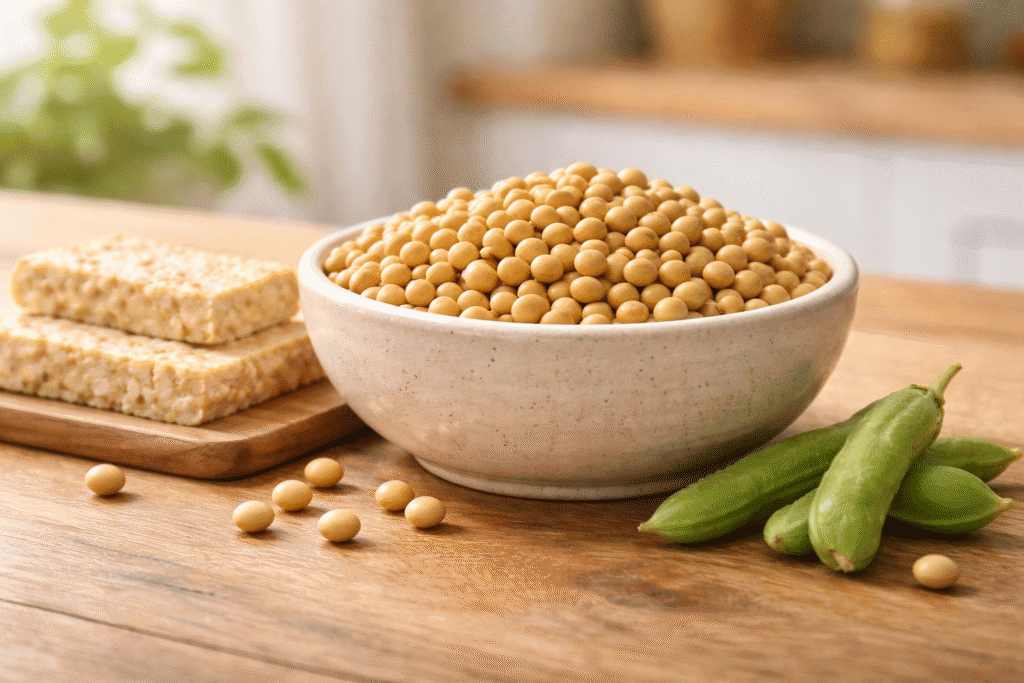
Whole soybeans are packed with antioxidants, folate, and other plant compounds. These nutrients help keep your cells healthy.
Soybeans have antioxidants and a good amount of folate. They also contain other plant nutrients. Together, these help your immune system, keep your skin healthy, and protect your cells.
For example, they provide about 375 µg of folate per 100-gram serving, a nutrient the CDC emphasizes for its role in health and development.
Beyond the basics, soybeans deliver a range of protective plant compounds. This includes isoflavones, along with antioxidant polyphenols and other micronutrients. They help defend your immune system and keep cells healthy.
A few specific benefits stand out:
- Antioxidant protection that helps counter oxidative stress.
- Folate, which is really important. It helps a baby grow properly during pregnancy. It also helps all of your cells work right.
- Amino acids that serve as building blocks for collagen.
These nutrients collectively support skin elasticity, tissue repair, and overall cellular maintenance.
Fermented Whole Soybeans and Nutrient Absorption
Fermentation can improve soybean nutrition by reducing antinutrients and increasing mineral bioavailability.
Foods like tempeh do a couple of good things. They help your body take in minerals that it might normally miss, and they also make the beans easier on your stomach.
If you want to experience these benefits in a traditional form, you can explore fresh tempeh made from whole fermented soybeans, where the natural nutrients of the beans remain intact while becoming easier for the body to absorb.
You can also learn more about how whole soybeans affect flavor, which ties into why whole beans are ideal for traditional fermentation.
In our work at SoyaMaya, we use traditional fermentation for this reason. We want to keep all the good stuff that’s already in the bean. The process just makes it easier for your body to get at that good stuff and use it.
Part of the reason soybeans are so good for you comes down to two things. First, there’s how people have always made them into food. Second, there’s the science we understand now.
FAQ
Why is whole soybeans nutrition considered nutrient dense compared with many other legumes?
Whole soybeans are packed with nutrients because they’re eaten in their natural form. They are a great source of protein, dietary fiber, and healthy fats.
This combination delivers whole soybeans macronutrients and whole soybeans micronutrients together. Because of this, whole soybeans give you balanced nourishment, steady energy, and are very nutrient-dense overall.
How do whole soybean health benefits support heart health and cholesterol levels?
The health benefits of whole soybeans support your heart. This is due to their fiber, healthy fats, and plant compounds.
The polyunsaturated fats in whole soybeans help maintain a healthy balance of cholesterol, which is good for your heart. Studies also associate soybeans and cholesterol reduction with fiber and soy isoflavones benefits.
The antioxidants in whole soybeans also help protect your blood vessels from damage and support long-term heart health.
How do whole soybeans support digestive and gut health naturally?
Whole soybeans support digestion because they are high in fiber and contain natural plant compounds. Whole soybean dietary fiber supports regular digestion and feeds beneficial gut bacteria.
Eating whole soybeans strengthens gut health and improves digestion. Their high fiber content helps maintain digestive balance and supports your body in absorbing nutrients properly.
Why are whole soybeans considered a complete plant protein source?
Whole soybeans are a complete protein because they contain all the essential amino acids your body needs in a balanced way. This profile provides all essential amino acids required for body functions.
As a result, plant-based protein from soybeans offers high whole soybeans protein quality. Soybeans are an excellent protein source.
They help maintain muscle health, repair tissues, and provide balanced nutrition, especially in vegetarian and plant-based diets.
Can whole soybeans help with steady energy and blood sugar balance?
Whole soybeans support steady energy because their whole soybeans macronutrients digest gradually. The mix of protein, fiber, and healthy fats in whole soybeans slows down digestion, which helps in controlling blood sugar levels.
Whole soybeans also have a moderate glycemic index, which helps keep your blood sugar levels stable. This balance supports your metabolism and provides energy that lasts throughout the day.
Why Whole Soybeans Deserve a Spot in Your Daily Meals
You feel it when meals look filling but still leave you dragging by the afternoon. Your body needs food that supports muscle repair and steady energy, not just something quick that fades fast. Whole soybeans provide protein, fiber, and slow-digesting carbohydrates that help keep energy stable throughout the day. When fermented into foods like tempeh, those nutrients become even easier for your body to absorb and enjoy.
Looking for an easy way to add it to your meals? Explore SoyaMaya products
References:
- https://www.betterhealth.vic.gov.au/health/healthyliving/soybeans
- https://www.healthline.com/nutrition/soybeans
Related Articles:
- https://mayasaritempeh.com/fresh-tempeh/
- https://mayasaritempeh.com/whole-vs-split-soybeans-in-tempeh/
- https://mayasaritempeh.com/how-whole-soybeans-affect-flavor/
SoyaMaya Fresh Tempeh
Traditionally fermented, no preservatives, shipped fresh and frozen to your door. The real deal, direct from us.
