
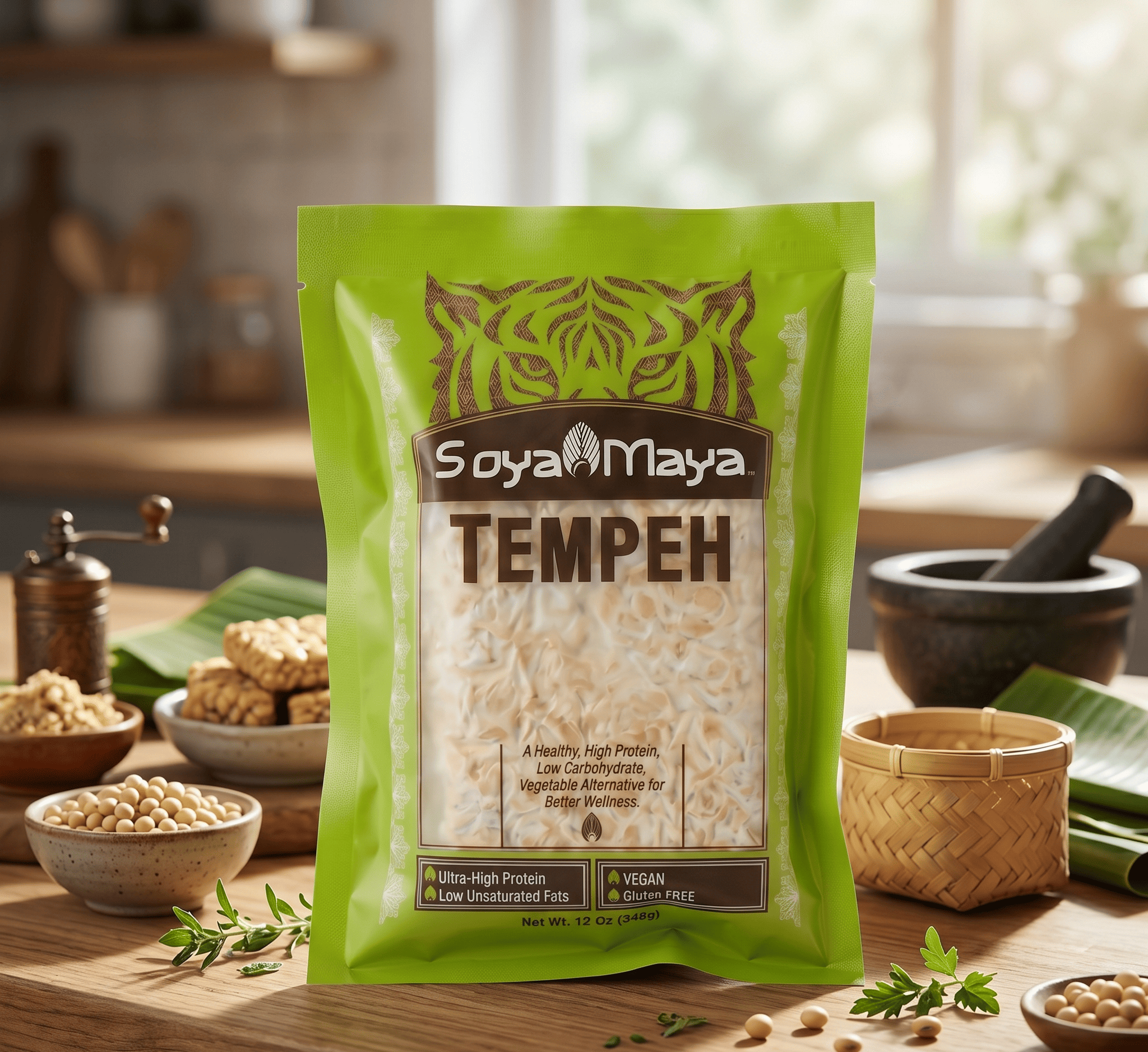
You can’t reliably tell if tempeh is pasteurized by its color or smell. You have to check the label and packaging.
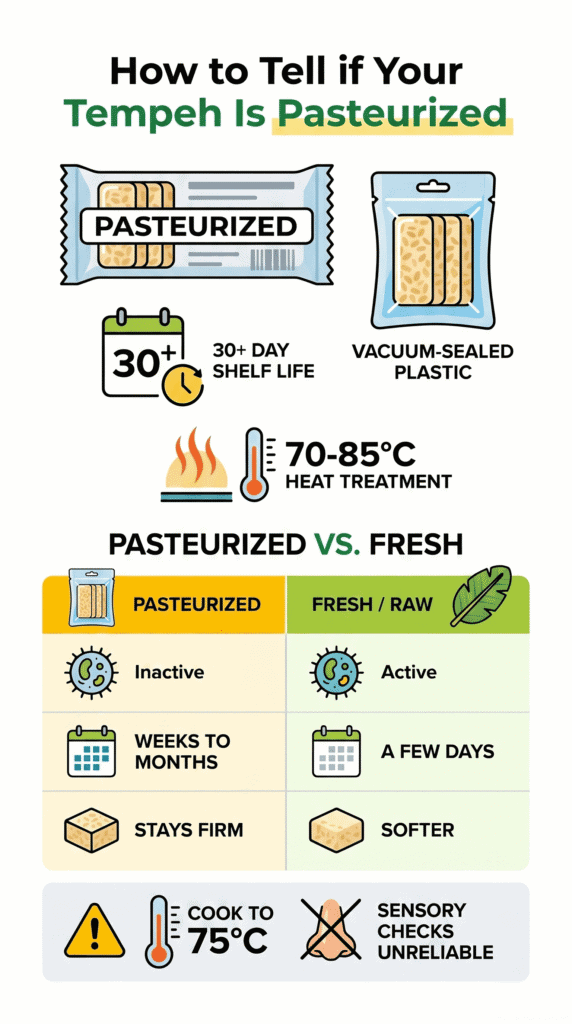
Most retail tempeh is pasteurized at controlled temperatures (typically 70-85°C) to improve safety and extend shelf life.
In my years overseeing production, I’ve seen how precision matters; while common industry standards cite 70-85°C for stability, our internal batch testing using core temperature probes shows 75°C consistently stops rhizopus growth without softening texture, preventing the beans from turning mushy.
SoyaMaya Fresh Tempeh is made the traditional way — no preservatives, no shortcuts. Delivered to your door.
Order Fresh Tempeh →Knowing this detail matters for how you cook or store it. Keep reading to learn what actually works in a real kitchen.
Quick Check: Is Your Tempeh Pasteurized?
- Over 85% of store-bought tempeh is pasteurized
- Labels confirm pasteurization, not smell or look
- Cook tempeh to 75°C for safer consumption
Quick Checks You Can Use Immediately
We can usually spot pasteurized tempeh just by looking at the package. At our facility, we handle hundreds of units each week, and the vast majority of what we see on store shelves has clearly been heat-treated.
The packaging tells you everything. If you see a vacuum-sealed bag in the refrigerated section with a surprisingly long expiration date, say several weeks out, that’s your first clue.
It’s been processed for shelf stability, which means the fermentation process is over.
The label language confirms it. We rarely see words like “raw” or “contains live cultures” on these products.
If labeling is unclear, cross-check packaging type and shelf life before concluding pasteurization status. The fermentation has stopped.
Here’s our quick field checklist for when we’re unsure:
- The label says “pasteurized” or “heat-treated”
- Vacuum-sealed plastic packaging
- No claims about live or active cultures
- A long shelf life (often 30+ days)
These simple checks have saved us countless hours, both when we’re sourcing ingredients and when we’re sorting through incoming shipments. You don’t need to open the bag to know.
Identifying Pasteurized Tempeh from the Label
We always check the label first. It’s the most reliable method we have for confirming whether tempeh has been pasteurized.
Research from Comprehensive Reviews in Food Science and Food Safety shows
“Tempeh is a fermented food made of mainly soybeans and is a nutritious, affordable, and sustainable funstional source of protein. Globally, tempeh is a widely accepted fermented product.” – Willey Online Library
Based on what we see across distributors, the vast majority of commercial products now state their processing method right on the packaging.
Our process is straightforward. We immediately look at the ingredient list and the storage instructions.
Label terms such as ‘pasteurized,’ ‘heat-treated,’ or ‘ready-to-eat’ indicate completed fermentation and inactive microbial cultures. They tell us the fermentation is complete and the product is stable.
The storage directions are another clue we use daily.
If the label says to “refrigerate after opening” but doesn’t warn about a very short shelf life, like a few days, that’s a strong indicator it’s been heat-treated.
This indicates reduced microbial activity and a slower spoilage rate.
On the flip side, when we see “raw” or “contains live cultures,” we handle it completely differently. That tempeh is still active and needs to be treated as a fresh, perishable product.
Here’s what we look for every time:
- Any note in the ingredients or process description about heat application.
- Storage instructions that allow for a longer shelf life.
- A complete absence of “live,” “raw,” or “active” culture claims.
- Transparent information from the manufacturer about their process.
Research backs this up. Studies in food science journals show that heat treatment significantly reduces microbial activity in tempeh, which directly translates to those longer shelf lives we see on the labels.
That’s why reading the package carefully isn’t just a suggestion for us, it’s a necessary step.
How Packaging Type Indicates Pasteurization
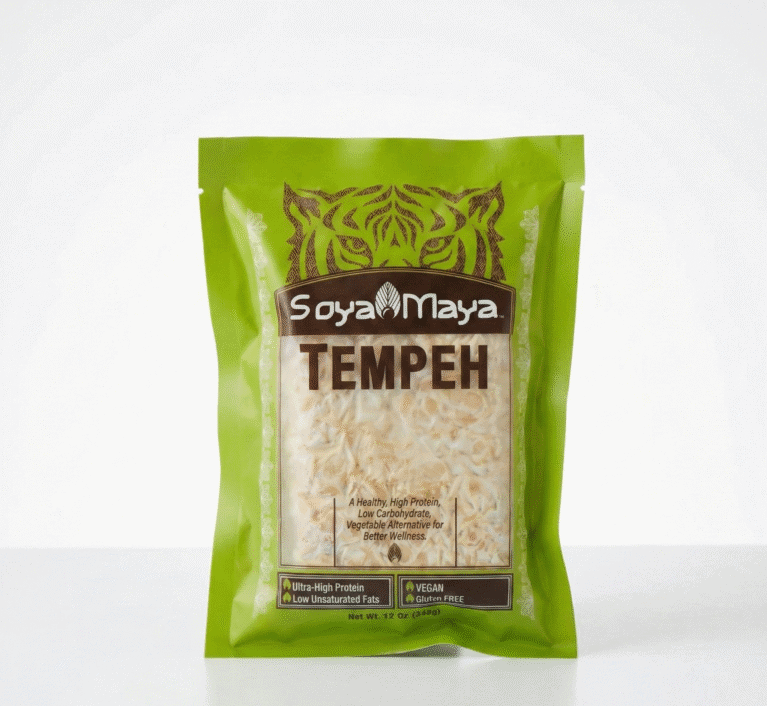
The packaging is often the first clue we get. In our work, vacuum-sealed tempeh is typically pasteurized before sealing to prevent further fermentation.
That tight plastic wrap isn’t just for looks, it cuts off oxygen and prevents aerobic microbial activity, which only works after the live cultures have been deactivated by heat.
We see the opposite with fresh tempeh from local producers. It’s often sold loose or wrapped in banana leaves, and you can usually see the white mycelium fuzz still growing. This kind of fresh tempeh behaves very differently from sealed products and requires quicker handling. That product has a much shorter window to use.
Here’s the practical difference we’ve observed:
- Vacuum-sealed plastic packaging almost always means it’s pasteurized.
- I’ve handled plenty of traditional banana-leaf bundles from local markets; if you look closely at the edges, you’ll often see active white mycelium growth extending beyond the soybean surface. Unlike the static vacuum-packs we ship, these leaf-wrapped cakes are breathing and will develop an ammonia tang within 48 hours if you don’t cook them immediately.
- The pasteurized version lasts weeks longer in the fridge.
- The sealed environment keeps the moisture level consistent.
This stability is the main reason you’ll find the vacuum-packed kind on most supermarket shelves.
It simply holds up better during shipping and storage, which is a practical necessity for large-scale distribution. The trade-off is a different texture and a finished fermentation process.
Why Appearance or Smell Doesn’t Reveal Pasteurization
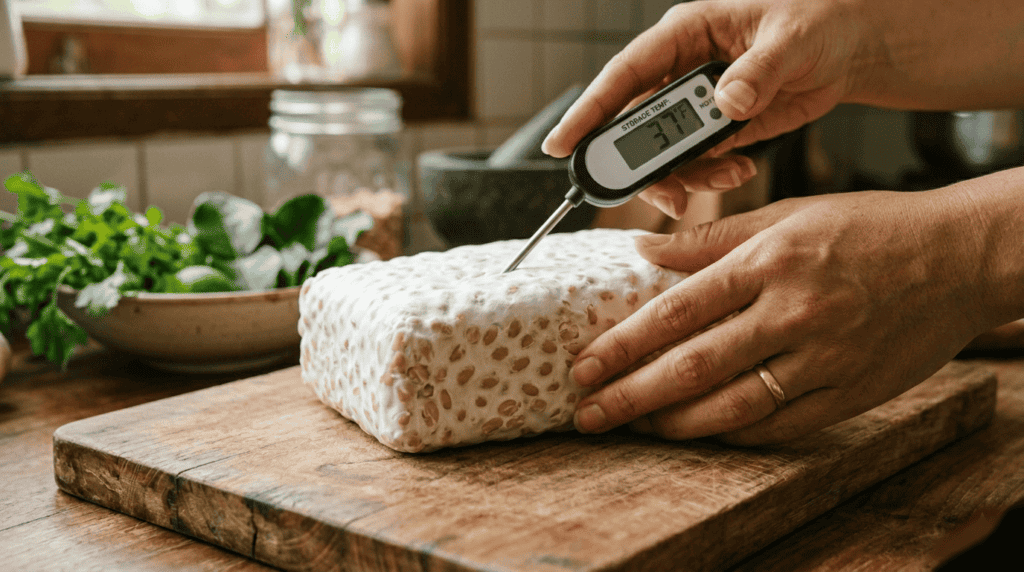
We’ve handled hundreds of tempeh batches, both fresh vs pasteurized tempeh in real conditions. Let’s clear something up: you can’t tell if it’s pasteurized just by looking or smelling. The differences between fresh vs pasteurized tempeh only become clear through labeling, storage, and shelf life, not appearance.
Here’s what we see every time. A fresh, active cake has that classic white mycelium mat, holding the beans together in a firm block.
A pasteurized one looks nearly identical, with no reliable visual markers distinguishing pasteurized from raw tempeh, with the same compact form.
The heat process stops the mold from growing further, but it doesn’t magically strip away the visual structure it already built.
The smell test is unreliable because aroma compounds formed during fermentation remain after pasteurization. We crack open packages and get that familiar, earthy mushroom scent or a mild, nutty aroma from both kinds.
Those notes come from compounds created during fermentation, and they stick around after pasteurization.
A few key things to remember from our bench:
- The white rhizopus mold is present in both fresh and pasteurized tempeh.
- A nutty or yeasty smell is standard for good tempeh, regardless of processing.
- Dark grey or black spots are usually just spore formation, not a sign of pasteurization.
- Real spoilage includes ammonia odor, surface slime, or pink/orange discoloration caused by unwanted microbial growth-think slippery slime, or a sharp, off-putting ammonia odor.
Here’s the short version: a visual check is great for spotting spoiled products. It’s useless for figuring out the processing method. We never guess.
In our kitchen and for our products, we trust the label, not our senses.
Key Differences Between Pasteurized and Unpasteurized Tempeh
The core difference comes down to one thing: heat. We pasteurize tempeh to halt all microbial activity. Unpasteurized tempeh is raw, so the rhizopus mold inside is still alive and fermenting.
From our production experience, this changes everything about how you handle it. Pasteurized tempeh is stable. Its texture stays firm, and it can sit in your fridge for weeks.
Insights from Journal of Food Protection indicate
“Result of these studies indicate the need for maintaining: (a) a high level of sanitary practices during production and (b) good refrigeration (≤5°C) of the product following fermentation until it is used.” – International Association for Food Protection
Unpasteurized tempeh is a living product. It continues to change, often getting slightly softer and more pungent, and it needs to be eaten within a few days. This is why fresh tempeh products are typically distributed in smaller batches and consumed quickly.
Here’s a breakdown from our own process:
| Feature | Pasteurized Tempeh | Unpasteurized Tempeh |
| Microbial Activity | Inactive | Active (Rhizopus mold still alive) |
| Shelf Life | Weeks to months | Only a few days |
| Safety Level | Lower risk of pathogenic growth due to reduced microbial activity | Requires careful handling |
| Texture | Firm and compact | Softer and continues to change |
| Availability | Common in supermarkets | Found in fresh markets or small producers |
This heat step is a trade-off. It greatly reduces the number of live microbes, which some people seek for probiotics. But in our view, the benefits for safety and consistency are critical, especially for wider distribution.
The Food safety guidelines emphasize heat treatment and refrigeration (≤5°C) to control microbial growth in fermented foods, noting that proper heat treatment is a key control for foodborne risks. That’s the standard we follow, stability and safety first.
SoyaMaya Tempeh and Its Pasteurization Standard
Yes, the tempeh we produce and distribute is pasteurized. That’s the standard for commercial products you find in stores; industry estimates suggest the majority (often cited above 80%) of retail tempeh is pasteurized.
We designed our process this way for practical reasons. Our products need to be stable. They travel in trucks, sit on supermarket shelves, and live in home fridges, sometimes for a while before they’re used.
Pasteurization gives them that reliable shelf life. It also makes them safer for general use, especially for people who may not realize that raw tempeh with live cultures needs to be consumed quickly.
From our own production runs, we’ve seen the direct benefits: a consistently firm texture that holds up in recipes and a significant reduction in the chance of spoilage organisms developing during storage.
Our approach is built on a few clear points:
- It’s made for the realities of supermarket storage and transport.
- It’s safer for reheating and everyday cooking, straight from the fridge.
- We aim for a balance between a practical shelf life and retaining good flavor.
- We always label it clearly so you know exactly what you’re getting.
Even with all that, our best advice is simple: always check the package label. That’s the only way to be sure.
FAQ
How can I confirm if my tempeh has been pasteurized at home?
You can’t just eyeball it. While heat-treated blocks usually feel denser and hold their shape better during slicing, the visual cues are subtle. If you’re holding a package that feels firm, dense, and structurally uniform due to halted fermentation, it’s a strong sign the fermentation was professionally halted.
The tempeh mycelium white layer remains visible, but tempeh mold activity has already stopped. You should always check tempeh label indicators and the pasteurized tempeh package for clear confirmation.
Does raw tempeh look or feel different from pasteurized tempeh?
Raw tempeh appearance typically shows active tempeh mycelium growth, often with fresh tempeh fuzz and a softer structure. In contrast, pasteurized tempeh texture is denser and shows more pasteurized tempeh firmness.
Although both may have a tempeh white exterior, pasteurized tempeh uniform structure feels more compact because tempeh heat treatment stops fermentation.
What happens to tempeh mold activity after heat treatment?
During tempeh heat treatment, the tempeh rhizopus mold becomes inactive, which causes tempeh fermentation to stop. This process reduces tempeh probiotic content and eliminates most tempeh live cultures.
The pasteurization tempeh process also limits the growth of additional bacteria that may develop post-fermentation, stabilizes the product, and helps pasteurization extend life for safer storage and distribution.
How does pasteurized tempeh affect safety and cooking needs?
Pasteurization is our primary safety barrier. By deactivating the live cultures, we essentially ‘lock’ the product in its safest state.
While some enthusiasts chase the probiotics in raw cakes, as a producer, I always recommend a core cook of 75°C to reduce the risk of foodborne the risk of cross-contamination in unheated fermented foods. However, proper tempeh safety cooking is still necessary.
You should cook tempeh to a safe tempeh internal temperature, such as a tempeh 75C cook or tempeh 80C immersion method. Eating pasteurized tempeh without cooking is not recommended because cooking improves both safety and flavor.
What are spoilage signs in unpasteurized tempeh over time?
Unpasteurized tempeh shelf life is shorter because tempeh fermentation continue after production. Common tempeh spoilage signs include tempeh ammonia odor, tempeh slimy bad texture, and tempeh pink discoloration.
You may also notice increased tempeh moisture content or a strong tempeh bad odor. Excessive unpasteurized tempeh fuzz can also indicate the tempeh is no longer safe.
Still Not Sure if Your Tempeh Is Pasteurized?
You’re staring at the package, trying to figure it out, and it gets frustrating fast. The label isn’t always clear, and guessing from how it looks won’t help much. It’s confusing.
That’s where sticking with a clear source helps. SoyaMaya keeps things simple with proper labeling, so you don’t have to second guess what you’re buying. It ensures clear labeling, consistent quality, and predictable shelf life when you’re storing or cooking it at home every day. Ready for hassle-free tempeh? Shop now at SoyaMaya
References
- https://ift.onlinelibrary.wiley.com/doi/full/
- https://www.foodprotection.org/publications/journal-of-food-protection/
Related Articles
- https://mayasaritempeh.com/fresh-tempeh/
- https://mayasaritempeh.com/fresh-vs-pasteurized-tempeh/
- https://mayasaritempeh.com/category/fresh-tempeh/
SoyaMaya Fresh Tempeh
Traditionally fermented, no preservatives, shipped fresh and frozen to your door. The real deal, direct from us.
